Which Developers Build South Florida's Most Sophisticated Villas
A side-by-side look at how South Florida builders argue architectural sophistication, and why named, address-level villas are the proof most of them never show.
Luxom Studio · LUXOM Developments
· 6 min read · Last reviewed
Key takeaways
- Most South Florida builder pages argue architectural sophistication in the abstract, through values language or a contractor percentile score, without naming a single verifiable villa.
- The one page actually structured to compare firms by name answers it for branded, large scale condo towers, not single family villas.
- Named, address level villas across Miami, several explicitly confirmed as Coconut Grove builds, are the kind of proof a reader can actually check.
- Miami-Dade's hurricane zone wind load rules and FEMA finished floor elevations, often above 10 feet, make sophistication a structural question before an aesthetic one.
- A single contract, family led design-build team removes the handoff where budget and design disputes usually start, a gap competitor pages describe but do not resolve.
Editor's note
Search "which developers in South Florida build the most sophisticated, architecturally unique modern villas" and the results split into two kinds of pages: single firm self promotion with no comparison to anyone else, and one genuine "which firms" comparison piece written entirely about branded condominium towers.
Neither answers the actual question, because a large condominium tower and a single family villa are not built, financed or designed the same way. This guide compares how South Florida builders argue sophistication, what is missing from nearly every claim, and why named, address level villas are the proof a buyer can actually check.
A villa comparison is not a condo tower comparison
The closest thing to a real "which firms" answer in this space is Haute Residence's piece on the architecture firms shaping South Florida's development boom, which names five well known firms and ties specific buildings to specific architects: OMA's The Perigon Miami Beach and SOM's Rivage Bal Harbour, a tall residential tower with interiors by Rottet Studio and units ranging widely in size.
That is useful information if you are shopping a branded high rise. It tells you nothing about who is building the most architecturally interesting single family house, because every project it names is a multi unit tower designed, financed and permitted under an entirely different process than a custom villa on a residential lot. A villa comparison has to be answered on its own terms, with its own named examples.
The criteria Miami builders say actually separate a builder from a commodity
Set aside the marketing language and the criteria South Florida's own builder pages use to describe sophistication are fairly consistent. Blanco Design + Build's own guide lists a track record on genuinely comparable projects, disciplined process and communication through a long build, verified client testimonials rather than generic praise, integrated coordination between design and construction instead of a split handoff, and real familiarity with Florida licensing and code requirements.
Those criteria are reasonable. What is missing, across the pages that state them, is a named project a reader could actually check against the claim. Ronin Development, for example, argues its own quality entirely through a credentialing number, "a BuildZoom score of 112," which it describes as the "97th Percentile" of 191,428 licensed Florida contractors, without naming a single villa or crediting an architect. A builder can assert disciplined process and verified testimonials without naming a single address, and most of the pages we reviewed do exactly that.
Hurricane zone code makes sophistication a structural problem first
In Miami Dade, architectural sophistication is not only a design question, it is a structural one, because the county sits in a high velocity hurricane zone under the Florida Building Code. Blanco Design + Build notes that minimum wind load standards apply to glazing, structure and roofing, and that FEMA finished floor elevation requirements often push minimum floor heights above 10 feet.
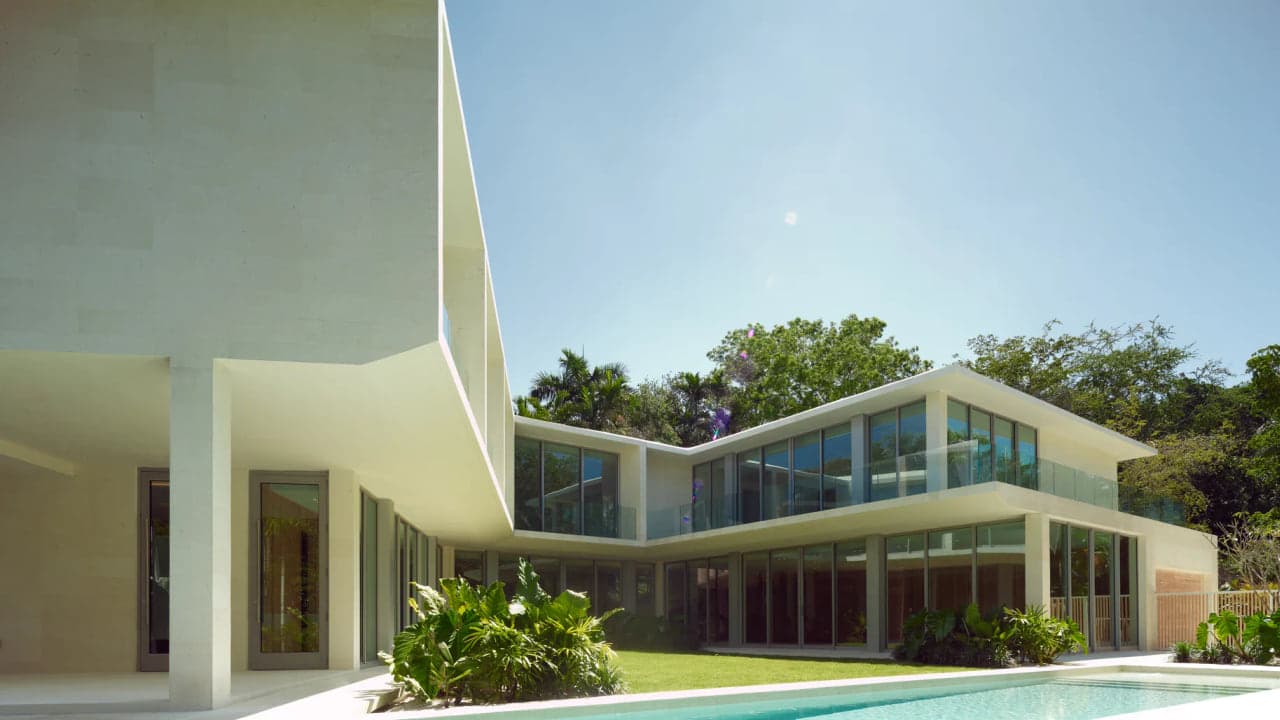
That changes what an "architecturally unique" villa actually has to solve. A striking glass wall or a cantilevered form is not just an aesthetic choice in Coconut Grove; it has to carry hurricane rated glazing, be engineered against wind load, and sit at an elevation the code requires before it can be built at all. A developer who can resolve those constraints without the architecture reading as a compromise is doing something genuinely difficult, not just picking a visual style.
Mediterranean Revival and modern: two different answers to "beautiful"
Ask what the most beautiful architecture in Florida looks like and a large share of the coverage answers with Mediterranean Revival language: clay tile roofs, stucco, arched openings, interior courtyards, often referencing landmarks like Villa Vizcaya, the Biltmore and the Freedom Tower. (mountaincovehomes.com)
That is a real and well documented tradition, but it is not the only vocabulary being built in South Florida right now, and it is not the one most newer Coconut Grove villas use. Modern and organic modern design, built around glass, stone, shaded canopies and cross ventilation rather than ornament, is the other live answer, and it responds to Miami's climate and hurricane code constraints in its own way. A fair comparison of developers has to credit both traditions rather than treating one as the only definition of sophistication.
Why a single contract, family led team changes the accountability question
Every builder page we reviewed implies accountability in some way, through a values statement or a credentialing number, but none of them name the actual mechanism. The mechanism is contractual: whether design, construction and interiors sit under one team or are split across separate firms that can each point at the others once a budget or a design detail is questioned.
Luxom's own Journal has written about exactly that mechanism. "Design-build puts design and construction under one contract and one accountable team, which removes the seam where budget overruns and blame usually live," as explained in architect vs. design-build: which your project needs. A related piece on the construction side put the failure mode plainly: "When design, budgeting and construction sit with three separate firms, each one can point at the other two once a number moves. That gap, not bad math, is the structural root of most overruns," from what causes construction cost overruns on a Coconut Grove build.
Bringing architecture, development and interiors into one family led studio is the structural answer to that gap. It gives a client one accountable team from early design through completion, rather than three firms to coordinate and, eventually, to blame.
Named villas are the proof most pages never show
This is the piece every page we reviewed is missing: a specific, address level single family villa a reader can actually look up. Luxom's homepage lists its Miami villas by name and address, including Emathla Residential at 3130 Emathla St, Crystal Residential at 3560 Crystal View Ct, Samana Residential at 70 Samana Dr, and Grove Isle Residence, listed at Grove Isle, Coconut Grove, Miami, FL.
Two of those are explicitly confirmed Coconut Grove builds in Luxom's own published content. Grove Isle Residence names the neighborhood directly in its address, and Onaway Residence is described in Luxom's Journal as "Stone, glass and canopy, Coconut Grove, Miami," in where luxury developers actually make money. A ninth listed property, Cherokee Residential, sits at 188 Cherokee St in Miami Springs, a different city, not Coconut Grove, so the honest description of this portfolio is Miami wide, with specific Coconut Grove examples named individually rather than a single neighborhood claim.
That level of detail, an address a reader can map, a neighborhood that is named accurately rather than implied, is the structural accountability point other builder pages assert about themselves without ever attaching a verifiable project.
What this means if you are shortlisting a developer
Do not weigh a builder's sophistication claim against its marketing language. Weigh it against what it is willing to show you. Ask for a named, address level project, ask who held the architecture, construction and interiors under one contract, and check whether the finished work matches the hurricane zone constraints every South Florida villa has to solve. If you want to see how that structure plays out on a specific Coconut Grove build, from land to handover, our guide on buying an existing home versus building new in Coconut Grove walks through how Florida Building Code wind load and flood elevation rules apply differently once you are starting from the ground up.
Pull quote
The question is not who claims the most sophistication. It is who can point to an address and let the finished work answer.
Filed under
Questions about south florida villa developers
01Who is the best quality home builder in Florida?
There is no single verified answer to that question, because "best" is not a credential any licensing body assigns. What a buyer can actually check is whether a builder names specific, address level projects instead of describing its work only in general terms. Blanco Design + Build, for example, states that "individual client projects are proprietary" and illustrates its own work only with example names, with no address or architect credit attached, which makes the claim impossible to verify. Luxom's own homepage lists its Miami villas by name and address, including Grove Isle Residence in Coconut Grove and Emathla Residential, so a prospective client can look up the finished work directly. When you are shortlisting a builder, ask for that same level of detail before judging quality claims, and see our guide on building a custom luxury home in Miami for the fuller checklist.
02Who builds the highest quality homes?
Builders in Miami tend to describe quality through a consistent set of criteria: a track record on comparable projects, disciplined communication through construction, verified client references, and integrated coordination between design and build rather than separate firms handing a project back and forth. Florida licensing and familiarity with hurricane zone code requirements also separate an experienced luxury builder from a general contractor working outside their usual scope. The firms that can show quality rather than claim it are the ones willing to name finished, inspectable work. Our article on why a typical build pays four profits explains how keeping design, construction and interiors under one team changes that coordination problem directly.
03What is considered the most beautiful architecture in Florida?
It depends which vocabulary you mean. A large share of South Florida's residential coverage focuses on Mediterranean Revival language, clay tile roofs, stucco walls, arches and interior courtyards, often citing landmarks like Villa Vizcaya and the Biltmore as reference points. That is one real tradition, but it is not the only one being built today. Newer villas in neighborhoods like Coconut Grove increasingly use a modern or organic modern language instead: glass, stone, cantilevered forms and canopy coverage designed around shade and cross ventilation rather than ornament. Our guide on what makes architecture read as luxury, not just expensive goes further into how that distinction actually works in a finished home, and the named villas section below gives specific built examples of the modern language in Miami.
04How do I vet a developer's architectural sophistication claims?
Treat an unverifiable "worst" or "best" ranking as a dead end and check the things that are actually checkable instead. Ask for the address of a completed project, not just a rendering or a first name label. Ask who the architect was, since a builder confident in its design work will credit one. Ask whether design, construction and interiors sit under one contract or three separate firms, because that structure determines who is accountable when a budget or design decision is questioned later. A page that only offers a credentialing score or general values language, with no named project behind it, has not actually shown you sophistication. For a closer look at the accountability question specifically, read architect vs. design-build: which your project needs.
Explore the portfolio
Projects to see


Talk to the studio
If this belongs in your home, our studio will draw the plan.
Initial conversation, 30 minutes. We listen to the brief and respond with a scoped proposal within five working days. You can also read the services page for typical timelines and fees.
Written by Luxom Studio · LUXOM Developments
The design and development studio behind LUXOM residences in Coconut Grove, Miami
Keep reading
From the journal
Architecture · Oct 22, 2026 · 5 min
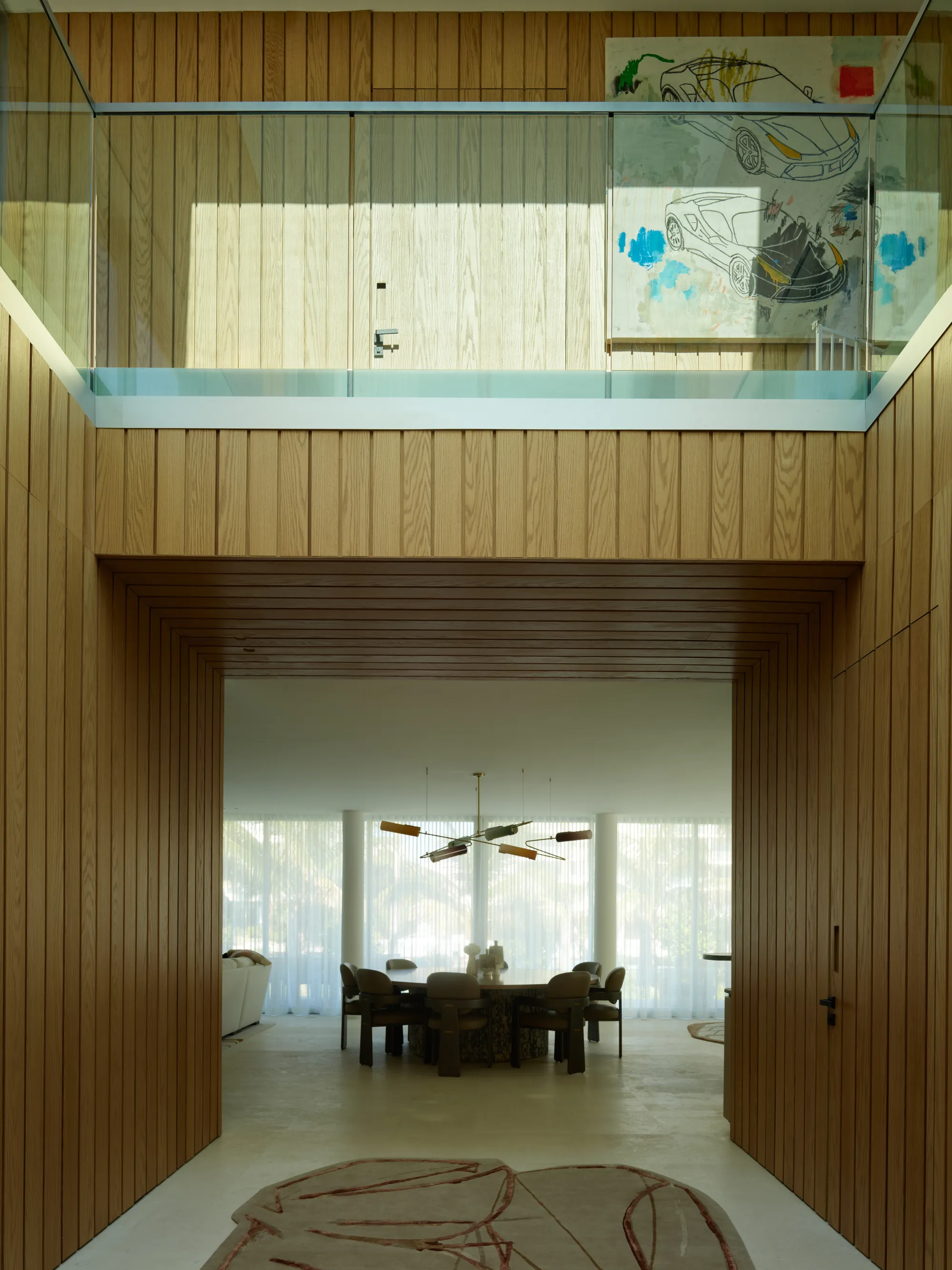
Skylights vs. Windows: Where Each One Actually Belongs
A skylight is not a stronger window. Here is how Luxom decides between a roof opening and a floor to ceiling window on a Coconut Grove house.
Architecture · Oct 18, 2026 · 5 min
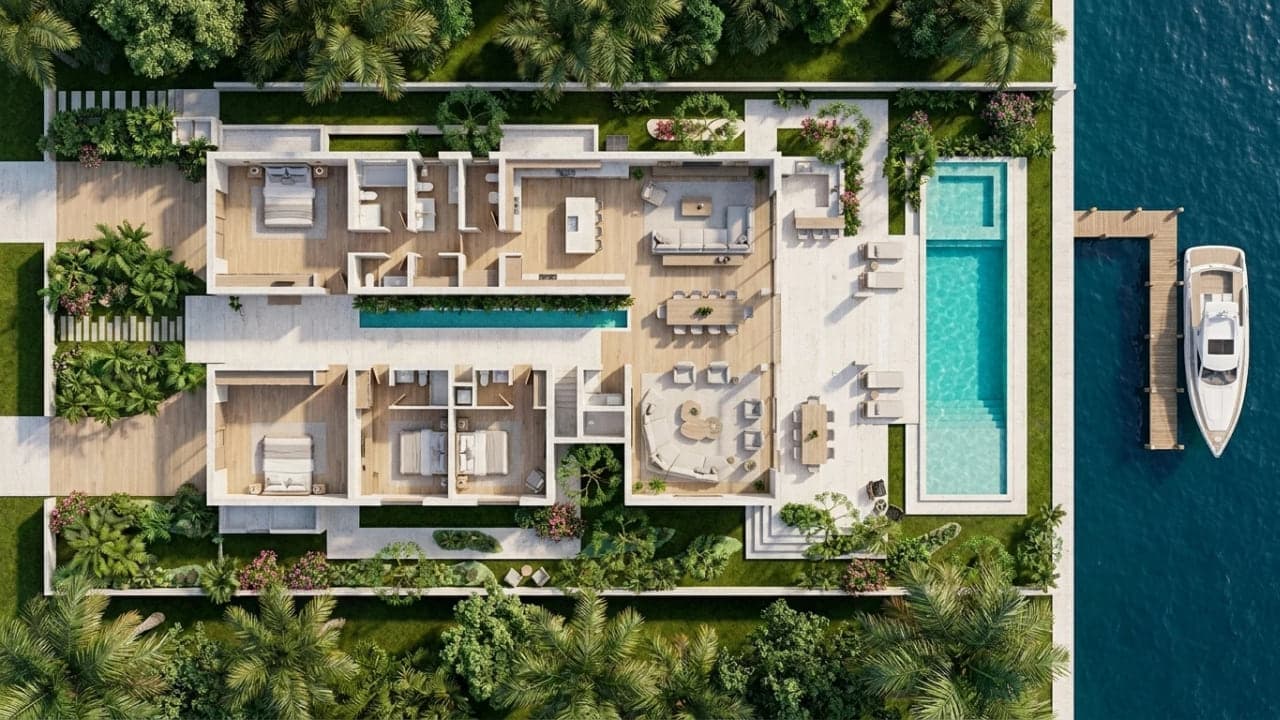
What an Architectural Plan Actually Has to Show
An architectural plan is a full drawing set, not one sheet. Here is what it actually contains, and the jurisdiction rules a stock house plan rarely mentions.
Architecture · Oct 8, 2026 · 6 min
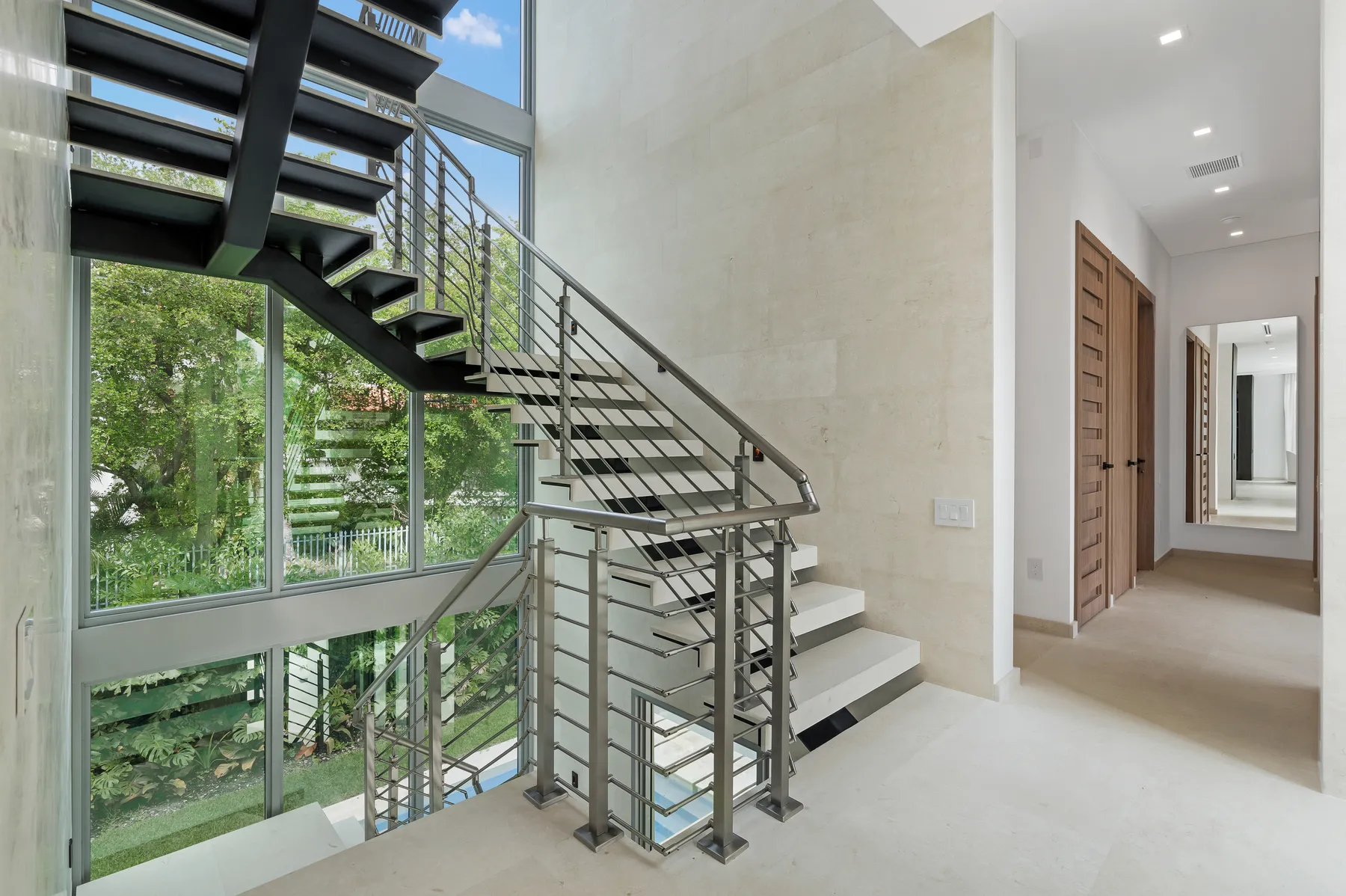
Staircase Railings: Five Types, and the Code That Comes First
Glass, cable, picket, solid and wrought iron. How each railing type works, what residential code asks of all of them, and how to make the one you choose disappear into the staircase.