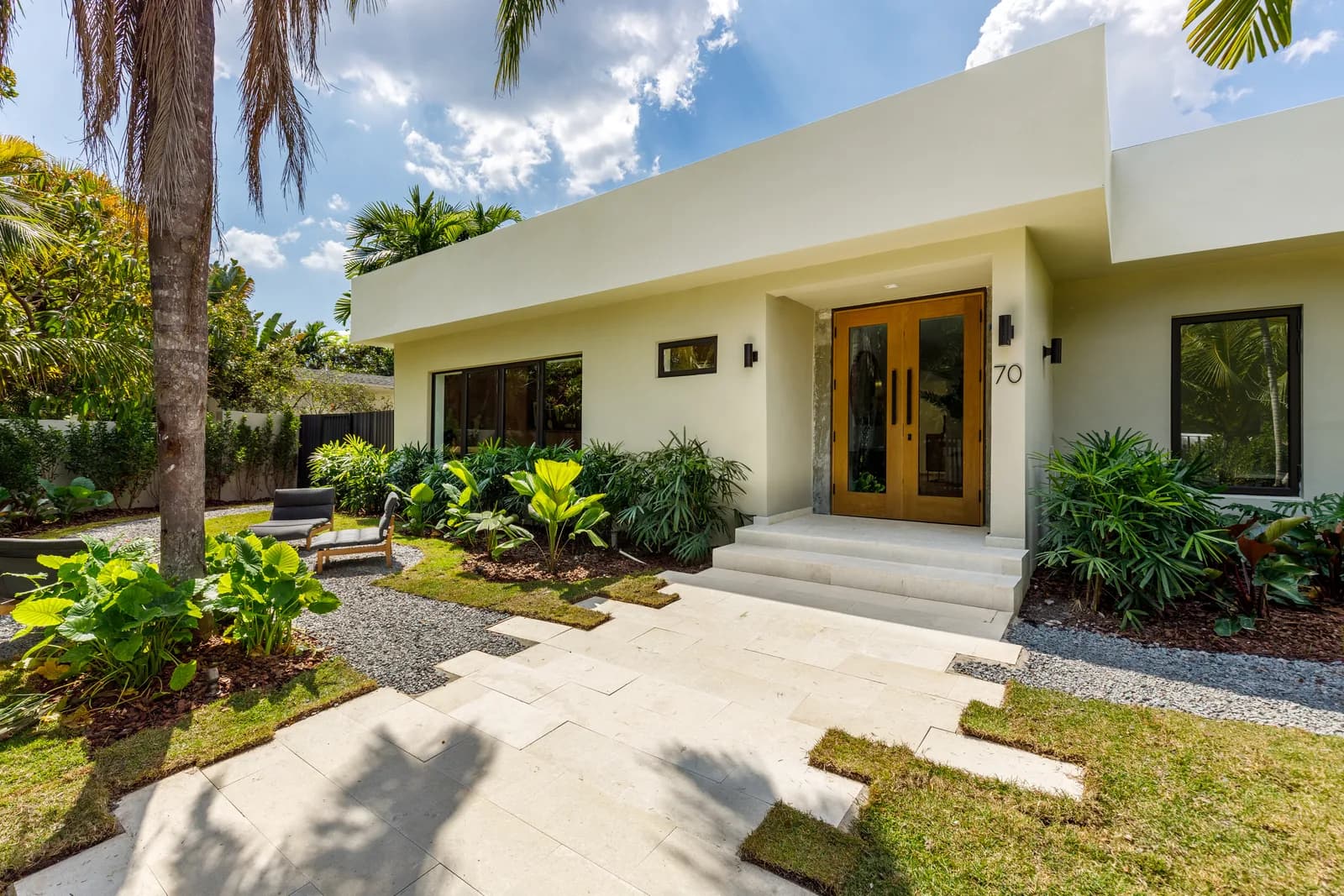
Building bespoke vs. buying existing: what you actually inherit
What buying an existing house in Coconut Grove actually hands you, and what building bespoke removes: the layout, the finishes and the compromises you never chose.
Luxom Studio · LUXOM Developments
· 5 min read · Last reviewed
Key takeaways
- Buying an existing house in Coconut Grove means buying someone else's decisions along with the walls: a layout you did not choose, finishes you would replace, and maintenance you cannot see yet.
- A bespoke build costs more upfront because every decision, the layout, the materials, the finish, gets made once, for you, instead of being decided for a previous owner and then undone.
- The real cost comparison is not the closing price against the construction budget. It is the closing price plus the renovation you take on afterward against a single number you agree to once.
- Coconut Grove's older housing stock predates the current Florida Building Code. A ground up build is engineered to today's wind load and flood standards from the first drawing, not retrofitted to meet them later.
- Closing on an existing house is faster than finishing a custom one. It is not faster than living in the house you actually wanted, once you count the time spent renovating around someone else's choices.
Editor's note
We posted a simple argument recently: buying existing means inheriting someone else's compromises, their layout, their finishes, the things they chose to fix and the things they did not. Building bespoke costs more upfront and gives you exactly what you wanted, with nothing to fix. It is a blunt way to say something that is usually dressed up in cost per square foot and market timing. Here is the fuller version of that argument, and what it actually means room by room.
Buying existing means living with someone else's layout, finishes and compromises
Every existing house was designed for someone else. The floor plan reflects how a previous family moved through the home, not how you do. The kitchen sits where it made sense for their routine. The primary suite, the ceiling heights, the window placement, all of it was decided years ago for a household that is not yours, and every one of those decisions is now yours to live with or undo.
Undoing them is never free and rarely simple. A wall that does not suit your layout is often load bearing. A finish you would not have chosen is already installed and has to be removed before a new one goes in. A kitchen in the wrong place means new plumbing and electrical runs through a house that was not built to make that easy. None of this shows up on the closing statement. It shows up afterward, as the renovation you did not plan to take on the day you signed.
What building bespoke actually buys you beyond a bigger price tag
A bespoke build is not simply a bigger number on a budget. It is the removal of every one of those inherited decisions. The layout is drawn around your household, not adjusted to fit one. The finishes are chosen once, for you, instead of chosen for someone else and then replaced. The structure, the systems, the ceiling heights, all of it gets decided before anyone breaks ground, with your actual life as the brief rather than a stranger's.
That is what the higher upfront cost is actually paying for: a house with nothing to fix, because nothing in it was ever anyone else's decision to begin with. The Onaway, Ingraham, Cherokee and Broadview residences we are building in Coconut Grove right now each started from that same brief, a lot and a household, not an existing shell to work around.
Where the real cost difference sits: upfront price versus the renovation you inherit later
The comparison that actually matters is rarely closing price against construction budget. It is closing price plus the renovation you take on afterward, against a single number you agree to once and do not revisit. A resale house that needs a new kitchen, reconfigured bedrooms and updated systems can close cheaper and still cost more by the time it becomes the home you actually wanted, because a renovation inside an existing structure is slower and more constrained than building the same result from the ground up.
Pull quote
Buying existing does not mean skipping the decisions. It means inheriting someone else's, and paying again to change your mind.
This is also where quality and volume pull in different directions. We do not outsource a build to whoever is available. The same team carries a project from the first drawing to the last finish, which is the same discipline we make the fuller argument for in where luxury developers actually make money.
Current wind load and flood standards favor a ground up build over an older resale shell
Coconut Grove is one of Miami's oldest neighborhoods, and a meaningful share of its existing housing stock predates the standards a home would be designed to today. Miami-Dade County is classified as a high velocity hurricane zone under the Florida Building Code, which sets minimum wind load and impact glazing standards. An older resale home was very often built before those standards existed, which means meeting them now is a retrofit, layered onto a structure that was not designed around it, rather than a decision made once at the drawing stage.
A ground up build starts from the current code, not toward it. The structure, the glazing, the site work all get engineered to today's standard from the first drawing, which is a different starting point than bringing an older house up to a code it was never built for.
The honest timeline tradeoff between closing on a resale house and finishing a bespoke one
Closing on an existing house takes weeks. A bespoke home, from securing the land through design, permitting and construction, runs well over a year. That is a real tradeoff, and pretending otherwise would not be honest. What the resale timeline leaves out is what comes after closing: the months spent living around a kitchen you are planning to gut, or delaying a renovation because the rest of life does not pause for it. A bespoke build spends that time before you move in, deciding things correctly, rather than after you already own the house, undoing them.
The choice, plainly
Buying existing will always close faster and cost less on paper. What it hands you along with the keys is every decision someone else already made, some of which will not survive contact with how you actually live. Building bespoke costs more upfront because it removes that inheritance entirely: the layout, the finishes and the standard are decided once, for you, by the same team from the first drawing to the last coat of paint.
That is the model behind the residences we are building in Coconut Grove right now. If you are weighing a lot or an existing property against a bespoke build of your own, our services page explains how we run that process end to end, and you can start a scoped conversation any time through the contact page. Once you have decided to build rather than buy, the next decision is who delivers it: our comparison of architect vs. design build walks through that choice.
Pull quote
Buying existing does not mean skipping the decisions. It means inheriting someone else's, and paying again to change your mind.
Filed under
Questions about custom build vs buying existing Coconut Grove
01What do you actually inherit when you buy an existing home instead of building one bespoke?
You inherit every decision a previous owner or spec builder already made and locked in: the floor plan, the ceiling heights, where the windows sit, the kitchen layout, the finishes throughout the house. Some of it will suit you. Most of it was chosen for a different family, a different budget, or a different era of the neighborhood, and changing any of it after closing means opening walls, ripping out finishes, and paying twice, once in the purchase price and again in the renovation. Building bespoke replaces that inheritance with a single set of decisions made for you, once, before anyone breaks ground. See how we run that process in our guide to building a custom luxury home in Miami.
02Is it cheaper to buy an existing house in Coconut Grove or build a custom one from the ground up?
The closing price on an existing house is almost always lower than a bespoke construction budget, because a resale price does not include the cost of getting the home exactly right. The comparison that matters is not the closing price against the construction number. It is the closing price plus whatever you spend afterward to undo a layout you do not want, replace finishes you would not have chosen, and bring an older structure up to a standard you actually expect, measured against a single number you agree to once and do not revisit. We make the fuller version of this argument in where luxury developers actually make money.
03What does new construction get you in Coconut Grove that a resale home cannot?
New construction gets you a floor plan drawn around how you actually live rather than adjusted to fit one, finishes chosen once instead of inherited and then replaced, and a structure engineered to current standards rather than one carrying a prior owner's accumulated decisions. A resale home can be renovated toward that outcome, but every change is happening inside a shell that was not designed for it, which is slower and more expensive than deciding it correctly the first time.
04Do older resale homes in Coconut Grove meet current Florida wind load and flood standards?
Not automatically. Miami-Dade County is a high velocity hurricane zone under the Florida Building Code, which sets minimum wind load and impact standards, and Coconut Grove is one of Miami's oldest neighborhoods, so a meaningful share of its existing housing stock predates those current standards. Bringing an older home up to code is a retrofit, glazing, structure, elevation, layered onto a house that was not designed around it. A ground up build is engineered to the current code from its first drawing, which is a structural difference, not a cosmetic one.
05How long does a bespoke home actually take compared to closing on an existing house?
Closing on an existing house takes weeks. A bespoke home, from land through design, permitting and construction, runs well over a year. That gap is real, and it is the honest tradeoff of building custom. What it leaves out is the time a resale buyer spends afterward living around a kitchen they are planning to gut or a layout they are planning to reconfigure, which is renovation time added to a house you already own rather than design time spent before you commit to one.
06Can you get exactly the layout you want by renovating an existing house instead of building new?
Sometimes, within the limits of the structure you are renovating inside. A load bearing wall, a fixed ceiling height, a lot's existing footprint, all constrain how far a renovation can actually move a layout, and every constraint you work around adds cost and time to a project that started as someone else's plan. Building bespoke starts from the lot and the brief, not from an existing shell, so the layout is drawn around how you live rather than negotiated against how someone else did. To talk through a specific lot or property, reach out through our contact page.
Explore the portfolio
Projects to see


Talk to the studio
If this belongs in your home, our studio will draw the plan.
Initial conversation, 30 minutes. We listen to the brief and respond with a scoped proposal within five working days. You can also read the services page for typical timelines and fees.
Written by Luxom Studio · LUXOM Developments
The design and development studio behind LUXOM residences in Coconut Grove, Miami
Keep reading
From the journal
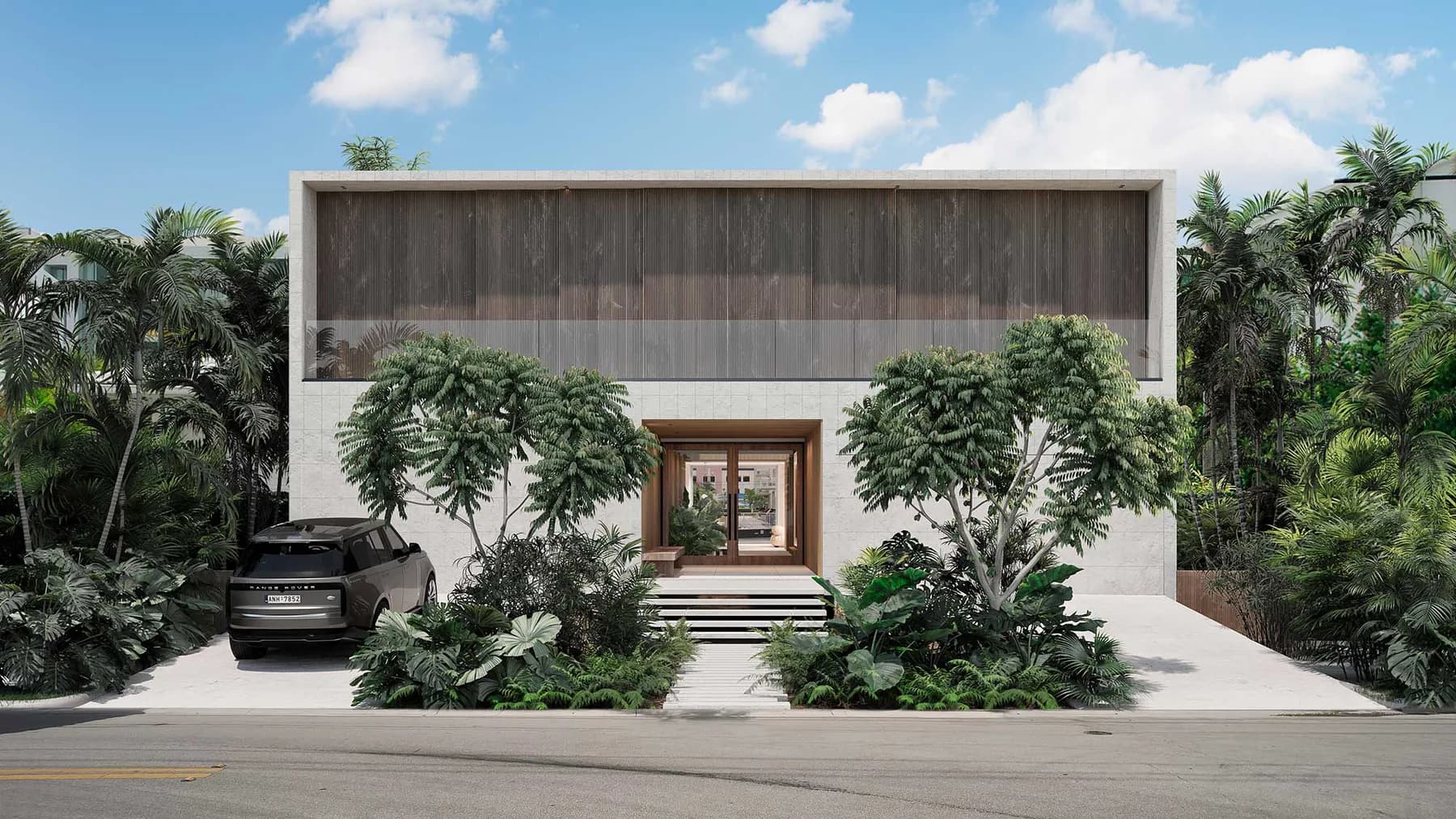
Development · Jul 23, 2026 · 5 min
Building a custom luxury home in Miami, start to finish
What it takes to build a custom luxury home in Miami, from land and design through permitting and finish. The real sequence, the local constraints, and where a builder earns their keep.
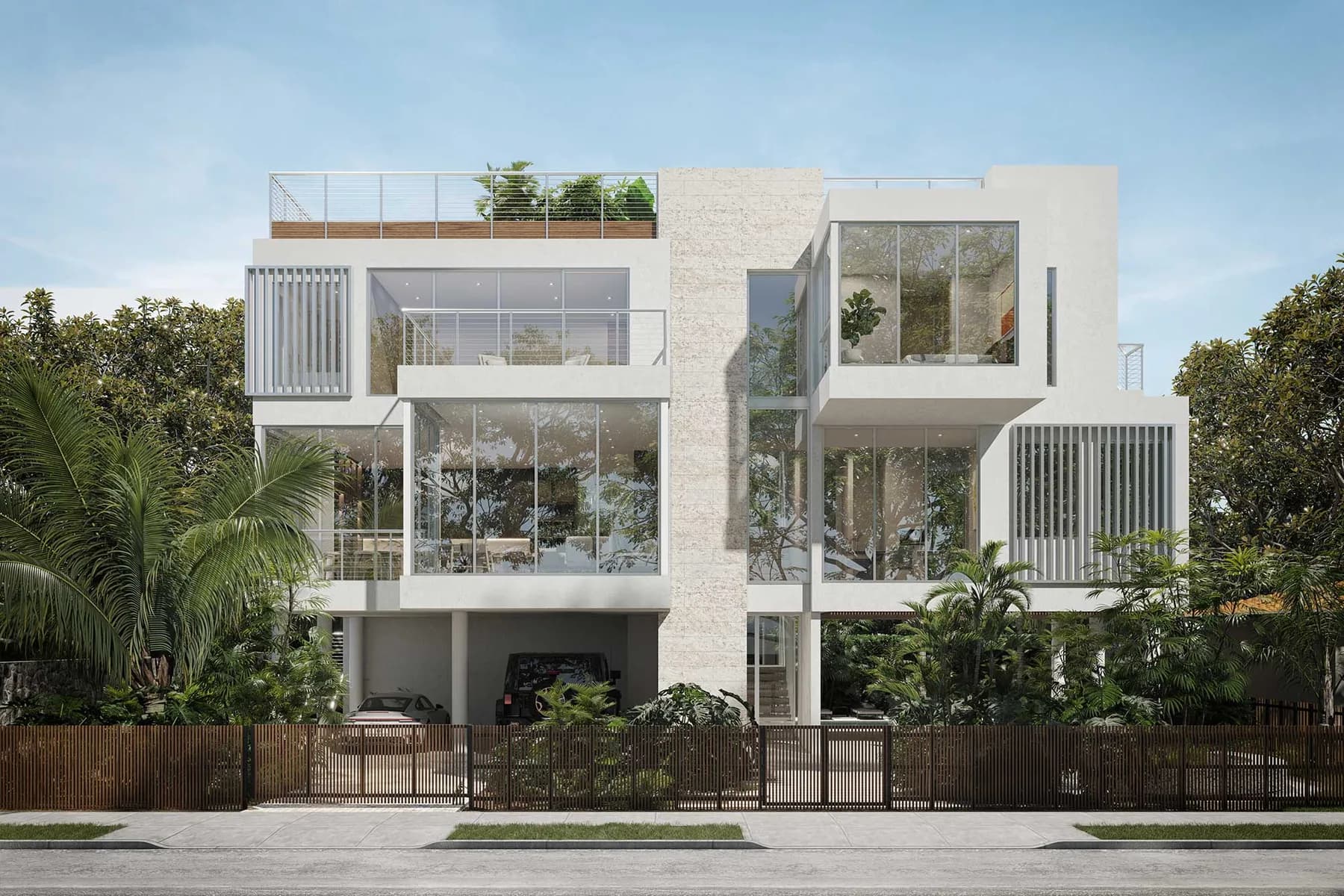
Development · Jul 8, 2026 · 3 min
Where luxury developers actually make money
It isn't the house. The margin is decided the day you buy the land, and protected by everything you refuse to cheapen.
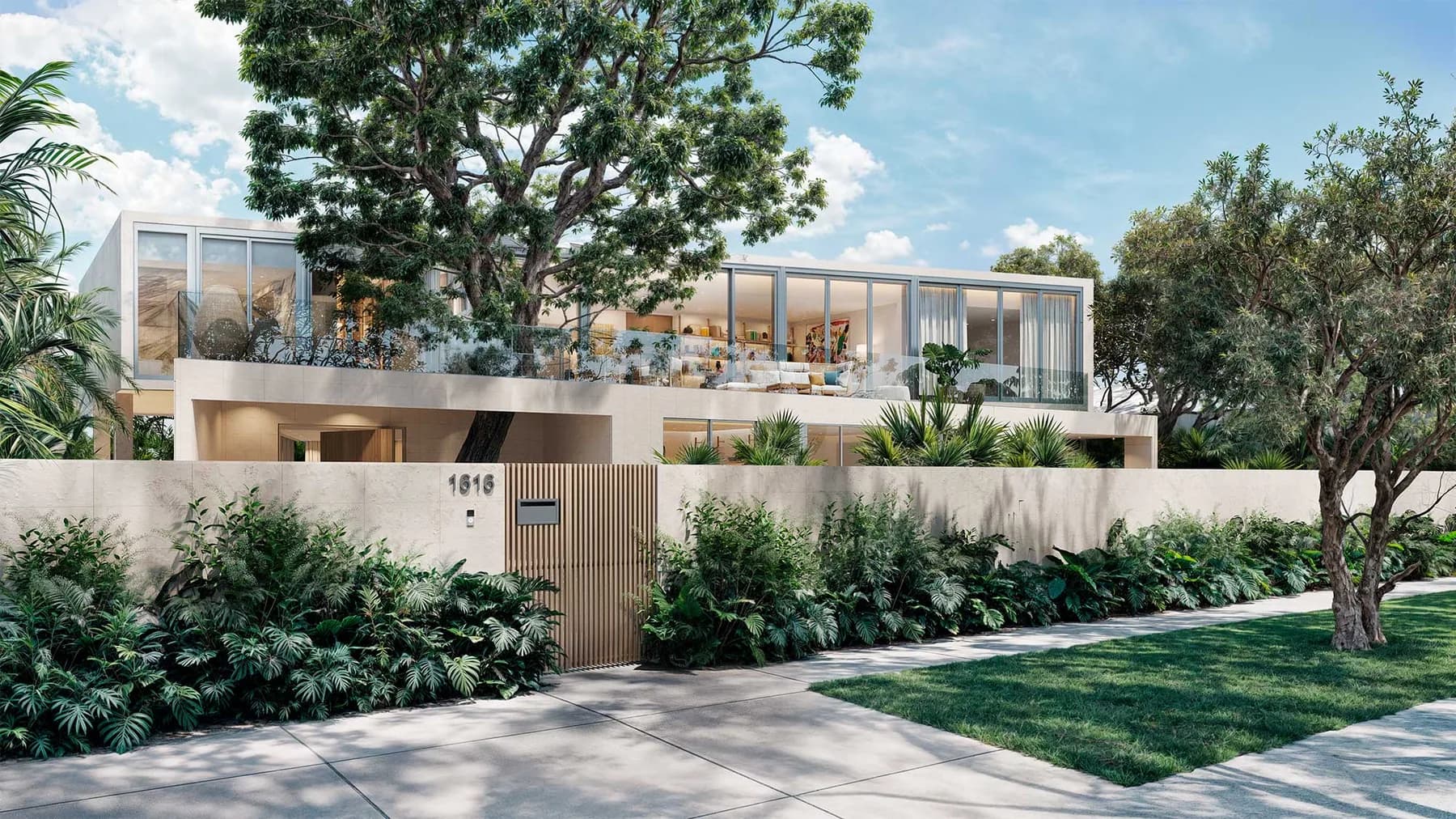
Architecture · Jul 29, 2026 · 4 min
Architect vs. design-build: which your project needs
Two ways to build a home in Miami: hire an architect and manage the rest yourself, or hire one design-build team that owns the whole thing. How to tell which fits.