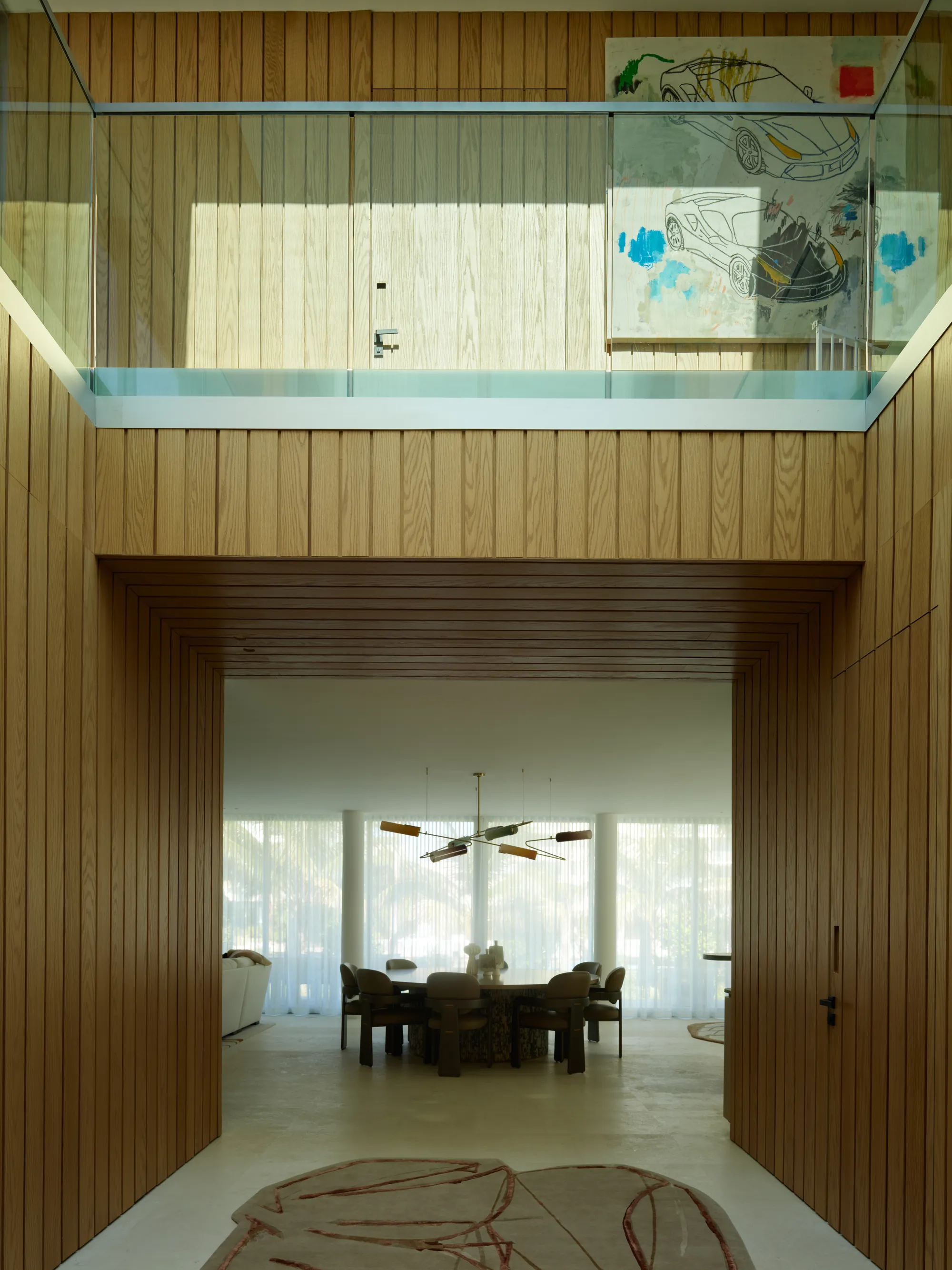
What Causes Construction Cost Overruns on a Coconut Grove Build
Cost overruns rarely come from bad math. They come from split teams, padded bids and unclear accountability. Here is how Luxom's integrated model closes the gap.
Samuel Bissu · Developments
· 4 min read · Last reviewed
Key takeaways
- Cost overruns are rarely a single math error. They usually come from a bid priced to win rather than to build, scope creep after signing, and unclear accountability between separate teams.
- A proposal priced to win looks attractive at signing and gets expensive once change orders start, which is why the lowest number is often the most expensive one.
- When design, budgeting and construction sit with three separate firms, each one can point at the other two once a number moves. That gap, not bad math, is the structural root of most overruns.
- Luxom carries design, budgeting and construction under one contract and one team, which removes the handoff points where overruns are usually born.
- An owner comparing proposals should ask what is included, what is excluded, and who is accountable for coordination, not just what the headline number is.
From the developer
Every client who has been through a build before asks some version of the same question: how do I know this number will hold? The honest answer is that most cost overruns are not a surprise that appears out of nowhere. They are the predictable result of how a proposal was priced and how a team is structured before the first wall goes up.
This is not about finding a contractor who promises never to go over budget. It is about understanding where overruns actually come from, so a proposal can be read correctly before it is signed. Luxom's own integrated design, development and construction model is the reference point for the structure this article describes.
Why cost overruns are rarely a math problem
There are three recurring causes of cost overruns on a custom build, and none of them are an arithmetic mistake. The first is underbidding to win the job: a number priced low enough to beat the competition, with the gap recovered later. The second is scope creep after the contract is signed, when decisions that were never fully specified get resolved mid-construction at a premium. The third is unclear accountability between separate designers, architects and contractors, where no single party owns the decision once something does not match the drawings.
Wikipedia's entry on cost overrun documents the same pattern at a much larger scale, citing an early-2000s industry study on technology budgets and decades of public megaprojects that finished well above their original estimate. The causes it identifies, technical, psychological and political-economic, all show up in a residential build too, just at a smaller and more personal scale.
The bid that is priced to win, not to build
The lowest bid is usually the most expensive bid once change orders start. Procore's own guidance on mitigating cost overruns makes this point directly: some contractors intentionally underbid a project to win it, planning to recover margin later through a series of change orders once the client is already committed to the relationship.
Reading a proposal that is priced to win rather than priced to build is the first skill an owner needs when three numbers look close on paper. The tell is usually in what is missing rather than what is included: allowances that are unrealistically low for the finish level being discussed, exclusions buried in fine print, or a total that does not account for permitting, engineering and site conditions specific to Coconut Grove.
Where accountability disappears between three separate teams
Where does accountability actually land when a project goes over budget? In a split design-bid-build structure, that answer stays murky because the architect, the general contractor and the interior team each carry their own contract, their own scope and their own professional liability. When a decision falls at the seam between two of those scopes, resolving it can mean a change order, a delay, or a dispute about who should have caught the conflict earlier.
Cost overruns are a structural gap between teams, not a math mistake
A structural gap between separate teams, not a math error, is usually the root cause.
How a single-team model closes the gap
Luxom's single-team model puts design, budgeting and construction under one contract, with one firm carrying every phase from the first sketch to the final walkthrough. That structure removes the handoff points where overruns are usually born, because there is no boundary for a decision to fall between and no second company to blame once a number moves.
This does not make land, materials, labor, permitting or Florida's engineering requirements disappear. We break those real categories down in an $8.2M development cost breakdown, and the coordination fee stack a fragmented team charges on top of them is covered in what a typical build actually pays for. What changes under one team is who is responsible for resolving a decision that touches more than one discipline, before it becomes a change order.
What to ask before you sign
What should a Coconut Grove owner ask before signing? The goal is to see whether a proposal is complete or padded to look attractive up front, with allowances, exclusions and the change-order process spelled out rather than buried in a single line total. A few direct questions do most of the work: Who is the single point of accountability if a decision crosses disciplines? What allowances are set for finishes, and how were they calculated? What happens, in writing, when a field condition does not match the drawings?
Comparing proposals on total scope, not on a headline number, is the same discipline we describe for the full build sequence in building a custom luxury home in Miami, start to finish. If you are planning a build in Coconut Grove and want a team where that accountability sits in one place, reach out through contact.
Pull quote
Cost overruns are rarely a math error. They are a structural gap between three teams that can each point at the other two.
Filed under
Questions about construction cost overruns Coconut Grove
01Who is normally blamed for construction cost overruns?
Blame usually lands wherever the contract draws the clearest line, which is rarely where the decision actually happened. In a split design-bid-build structure, the architect, the contractor and the interior team can each point at the other two once a number moves. Wikipedia's overview of cost overrun describes this as a mix of technical, psychological and political-economic causes, and residential projects show the same pattern at a smaller scale.
02Can you sue a contractor for going over budget on a custom home?
It depends entirely on what the contract actually says about scope, allowances, change orders and who owns coordination between disciplines. A proposal that names its inclusions and exclusions clearly is easier to enforce than one that does not. We walk through how a complete proposal should be structured in an $8.2M development cost breakdown.
03What is an example of a construction cost overrun on a residential project?
A common pattern is a general contractor that underbids the job to win it, then recovers margin later through a series of change orders once the client is already committed. Procore's own guidance on the construction industry describes this underbidding pattern as one of the most common causes of overruns industry-wide, and it applies just as much to a single custom home as to a commercial project.
04How much are construction costs expected to increase in 2026?
Material pricing, labor availability and code requirements shift year to year, and Luxom does not publish a market-wide forecast number here because doing so without current sourced data would be a guess, not evidence. What an owner can control is the structure of the proposal itself, covered in what a typical build actually pays for.
05Does an integrated single-team model guarantee a project stays on budget?
No. Land, materials, labor, engineering and permitting costs are real regardless of team structure. What integration changes is who is accountable when a decision crosses disciplines, removing the handoff points described in how a single-team model closes the gap. See how Luxom sequences a project in building a custom luxury home in Miami.
Explore the portfolio
Projects to see


Talk to the studio
If this belongs in your home, our studio will draw the plan.
Initial conversation, 30 minutes. We listen to the brief and respond with a scoped proposal within five working days. You can also read the services page for typical timelines and fees.
Written by Samuel Bissu · Developments
Developer and founder of LUXOM Developments, boutique residences in Coconut Grove, Miami
Keep reading
From the journal
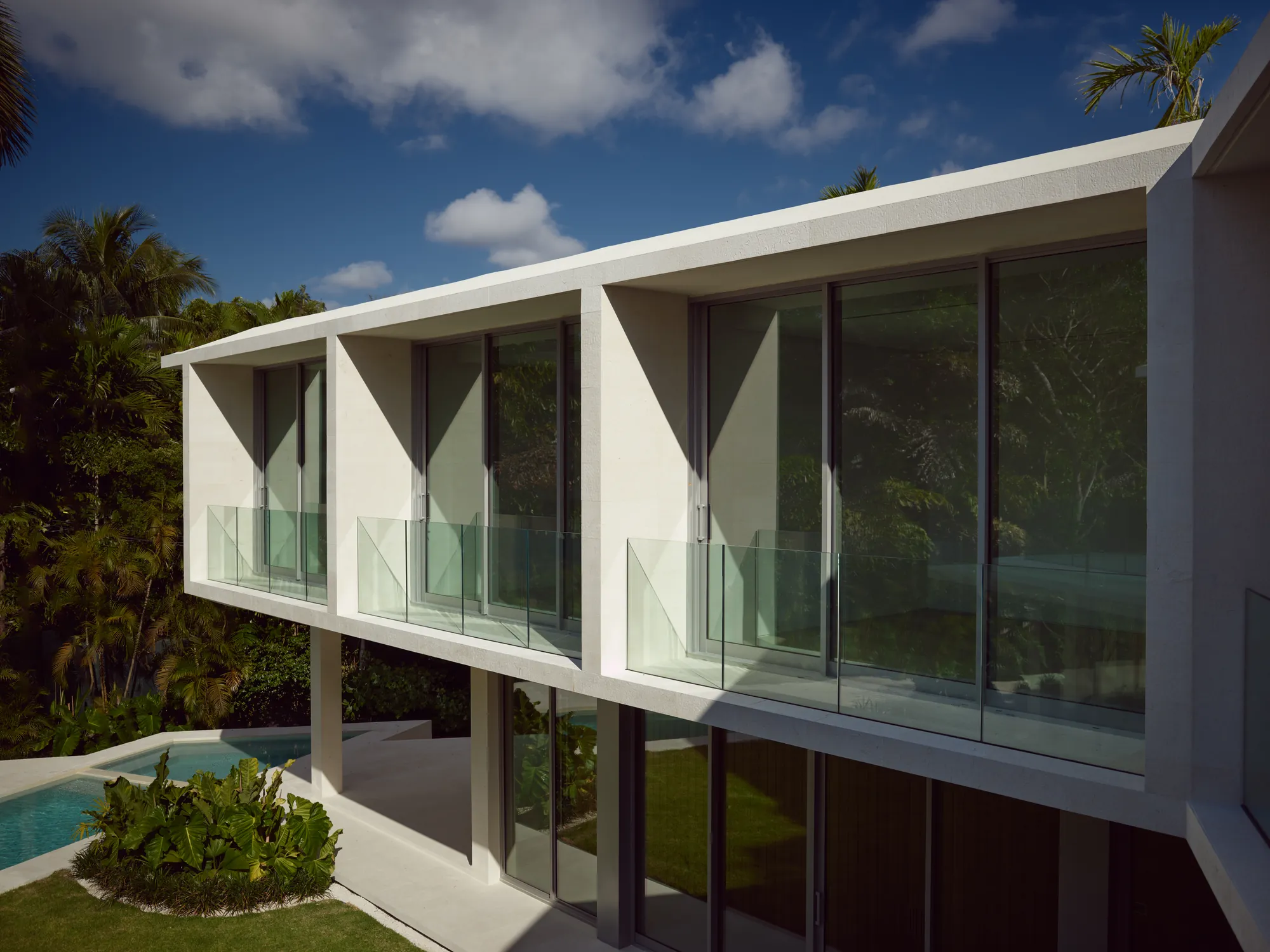
Development · Aug 5, 2026 · 4 min
Why Integrated Design and Construction Reduce Handoffs
Architecture, construction and interiors can be split across separate scopes. An integrated team gives a Coconut Grove client one place to resolve the decisions that cross those boundaries.
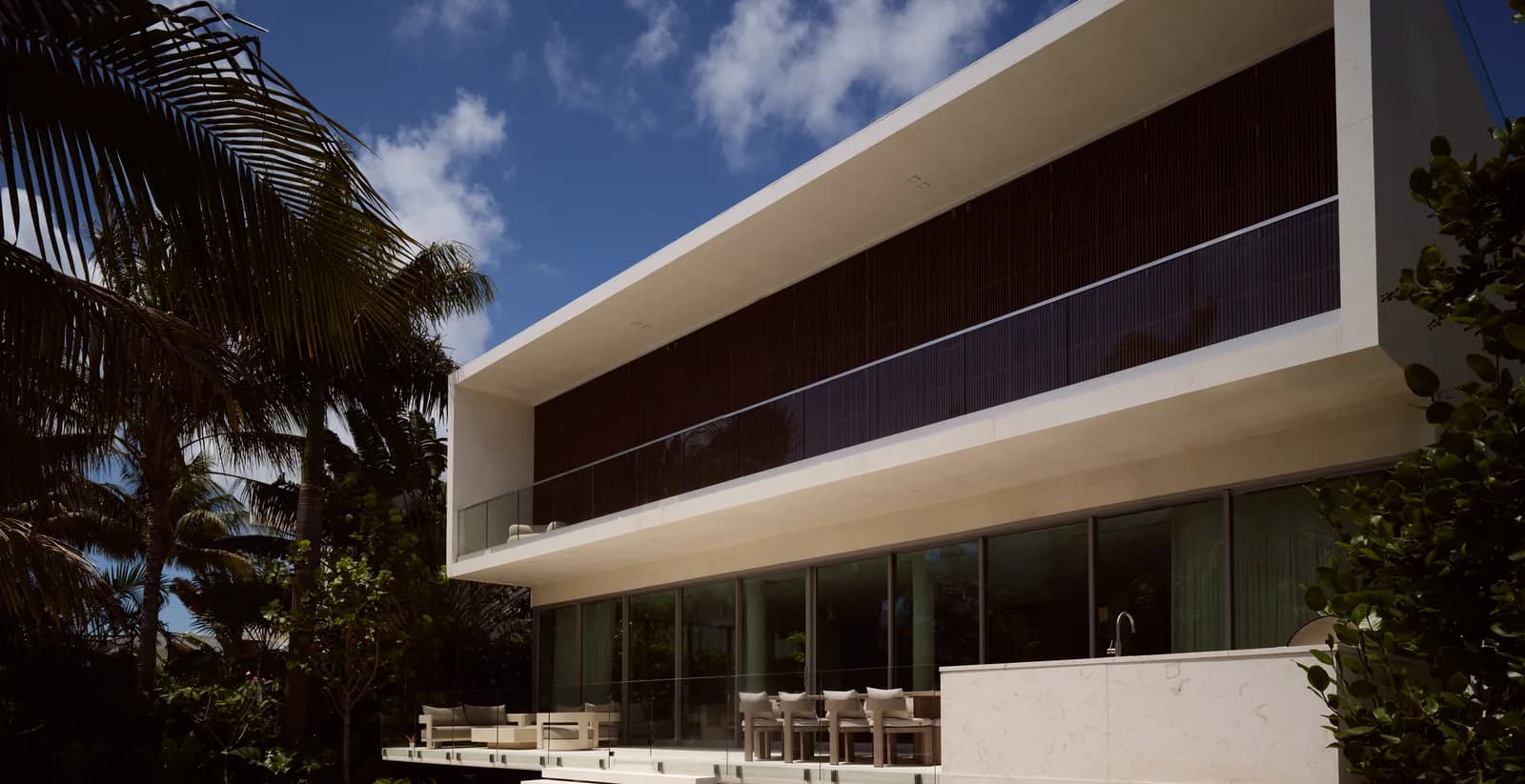
Development · Jul 14, 2026 · 8 min
An $8.2M development cost breakdown, from land to finish
How a luxury development budget at this scale divides across land, architecture, construction and finishes: the categories, the logic behind each one, and what they mean for a buyer.

Development · Jul 23, 2026 · 5 min
Building a custom luxury home in Miami, start to finish
What it takes to build a custom luxury home in Miami, from land and design through permitting and finish. The real sequence, the local constraints, and where a builder earns their keep.