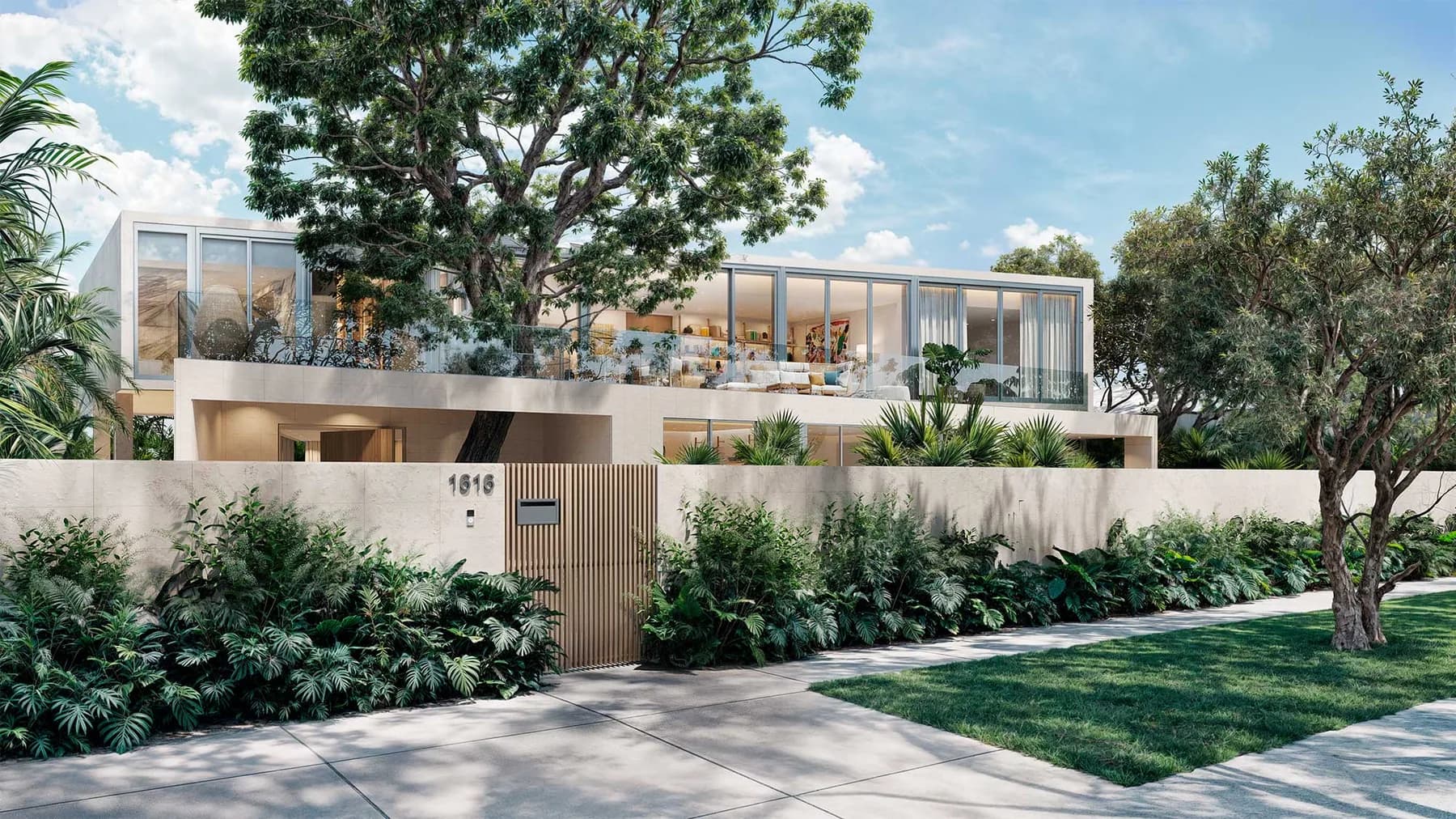
Architect vs. design-build: which your project needs
Two ways to build a home in Miami: hire an architect and manage the rest yourself, or hire one design-build team that owns the whole thing. How to tell which fits.
Luxom Studio · LUXOM Developments
· 4 min read · Last reviewed
Key takeaways
- The architect-only model separates design from construction: the architect draws, a builder is hired separately, and the owner or architect manages the gap between them.
- Design-build puts design and construction under one contract and one accountable team, which removes the seam where budget overruns and blame usually live.
- For residential architects in Miami, the choice is really about who carries coordination risk. Architect-only leaves it with you; design-build absorbs it.
- Design-build tends to give earlier cost certainty and a faster path, because the builders price the design as it develops rather than after it is finished.
- Architect-only can suit an owner who wants a specific signature architect and is prepared to manage procurement and construction separately. Most owners are not.
Editor's note
Every owner planning a home in Miami eventually meets the same fork: hire an architect and manage the construction as a separate arrangement, or hire one team to design and build the whole thing. The two models are often presented as a matter of taste. They are really a matter of who carries the risk when the drawing meets the site.
Neither is wrong. The traditional architect-only route protects a very particular design vision and suits owners equipped to run construction themselves. Design-build trades some of that separation for a single point of accountability. This is how to tell which one your project actually needs.
The two models differ on where responsibility sits
In the architect-only model, design and construction are separate contracts. The architect draws the home and represents your intent; a builder is hired separately to construct it; and the space between them has to be managed, by you or by the architect acting on your behalf. That space is not neutral. It is where change orders, delays and disputes tend to appear, because each party can point across the gap when something does not line up.
Design-build removes the gap by putting design and construction under one contract and one accountable team. The people who draw the home and the people who build it answer to the same responsibility. The design does not get thrown over a wall to a builder who priced it cold. It is developed and constructed by a single studio, which changes the entire risk profile of the project.
Cost certainty arrives at different moments
The models also differ on when you learn what the home will actually cost. Architect-only fixes the design first and prices it afterward, when builders bid the completed drawings. If the design exceeds the budget, it has to be reworked, and the true number arrives late in the process. Design-build prices the design as it develops, with the builders at the table, so cost feedback is continuous and expensive surprises are caught while they are still cheap to fix.
That earlier certainty is one of design-build's real advantages, along with a schedule that can compress because construction planning overlaps with design rather than following it. The savings, where they exist, come from avoided rework and tighter coordination, not from a lower headline fee. For an owner who values a predictable budget over a separated process, this is often the deciding point.
Design quality is a choice, not a casualty
The old worry about design-build is that folding design into a construction team dilutes the architecture. It can, if construction dominates and design is an afterthought. But a design-build studio built around strong architecture keeps the design leadership intact and adds the accountability of owning the build. The design is simply developed with constructability and budget in view from the start, which tends to produce a home that is both well designed and genuinely buildable to the intended standard.
A drawing that cannot be built to budget helps no one. The quality risk in design-build is entirely about which firm you choose, so the vetting is about the strength of the design side rather than the model itself. The built work is the evidence: a studio whose finished homes show real architectural intent is not sacrificing design by owning the build.
Which one your project needs
Choose architect-only if a specific signature architect is the point, and if you are genuinely equipped to run construction and procurement as a separate contract, with the time and tolerance to own the seam between designer and builder. That path preserves a very particular vision, and for the right owner it works. Most owners, though, do not want to arbitrate between contractors or carry coordination risk on the largest purchase of their lives.
For them, design-build is the more sensible model, because one team owns the whole outcome and there is a single party to hold accountable from first sketch to final inspection. We work as a design-build studio in Miami for exactly this reason: to give owners one point of responsibility across design and construction. If you are still deciding which firm to trust with either route, read how to choose an architecture firm in Miami, see how we work on our services page, and start a conversation through the contact page.
If you are starting from a plain search for architects near you, our companion guide, architects close to me: what proximity does not tell you, turns this same framework into a verification checklist for any candidate on that shortlist.
The same design-build-versus-architect-only question shows up on the interiors side too: our guide to vetting an interior designer in Miami walks through why the firm that decides your walls and the firm that decides your finishes are often not the same team.
Pull quote
The question is not who designs better. It is who is accountable when the drawing meets the site, and how many parties that answer runs through.
Filed under
Questions about architect vs design-build
01What is the difference between hiring an architect and a design-build firm?
Hiring an architect gives you design and drawings, after which you contract a builder separately and someone manages the relationship between the two. It is the traditional split: the architect represents your design intent, the contractor builds, and the gap between them is where change orders, delays and disputes tend to appear. Design-build collapses that split into one contract. A single team is responsible for both the design and its construction, so the people drawing the home and the people building it answer to the same accountability. The practical consequence is where risk sits. In the architect-only model, coordination and budget risk largely rest with you or your architect acting on your behalf. In design-build, the firm absorbs that risk because it owns both halves. For most residential owners in Miami, that single point of accountability is the deciding factor, which is why we work as a design-build studio; see our services.
02Is design-build cheaper than the traditional architect model?
Not automatically cheaper, but usually more predictable, which is often what matters more. In the architect-only model, the design is completed and then put out to builders for pricing, so the true cost is only known late, and a design that exceeds budget has to be reworked. Design-build prices the design as it develops, with the builders at the table, so cost feedback happens in real time and expensive surprises are caught early. That tends to give earlier budget certainty and fewer change orders once construction starts, since the constructability was checked along the way. It can also compress the schedule, because construction planning overlaps with design rather than starting after it. The savings, where they exist, come from avoided rework, tighter coordination and a shorter timeline rather than from a lower headline fee. For a scoped view of your project, start through the contact page.
03When should I choose an architect-only approach?
Choose architect-only when the design itself is the priority above all else and you have a specific architect whose signature you want, or when you are equipped to manage construction and procurement separately. Some owners want a named residential architect for the design and are comfortable, or have a project manager, to run the build as a separate contract. If you have deep experience with construction, the time to chair meetings between designer and builder, and a tolerance for carrying coordination risk yourself, the traditional split can work well and preserve a very particular design vision. The trade-off is that you own the seam between design and construction, including the disputes that surface there. For most owners building or renovating a home, that overhead outweighs the benefit. If you are weighing which firm to trust with either model, our guide on how to choose an architecture firm in Miami sets out what to look for.
04Who is responsible when something goes wrong in each model?
This is the heart of the decision. In the architect-only model, responsibility is split: if a built element does not match the drawings, the builder may point to the design and the architect may point to the construction, and resolving it falls to you in the middle. That gap is where cost and delay accumulate. In design-build, one firm holds both the design and the construction, so there is a single accountable party and no seam to argue across. If something is wrong, the same team that drew it is the team that built it, and it is their responsibility to make it right. This is why design-build appeals to owners who do not want to arbitrate between contractors. It does not remove problems, since every complex build has them, but it removes the confusion about who owns them. We operate this way for exactly that reason; see our services page.
05Does design-build limit design quality compared with a dedicated architect?
It does not have to, and the assumption that it does is dated. The concern is that folding design into a construction-led team dilutes the design, but a design-build studio built around strong architecture keeps the design leadership intact while adding the accountability of owning the build. What changes is that the design is developed with constructability and budget in view from the start, which tends to produce a home that is both well designed and actually buildable to the intended quality. A brilliant drawing that cannot be built to budget serves no one. The quality risk in design-build is choosing a firm where construction dominates and design is an afterthought, so the vetting is about the strength of the design side. Look for a studio whose built work shows genuine architectural intent. Our projects are the clearest evidence of how we hold design quality inside the design-build model.
Explore the portfolio
Projects to see


Talk to the studio
If this belongs in your home, our studio will draw the plan.
Initial conversation, 30 minutes. We listen to the brief and respond with a scoped proposal within five working days. You can also read the services page for typical timelines and fees.
Written by Luxom Studio · LUXOM Developments
The design and development studio behind LUXOM residences in Coconut Grove, Miami
Keep reading
From the journal
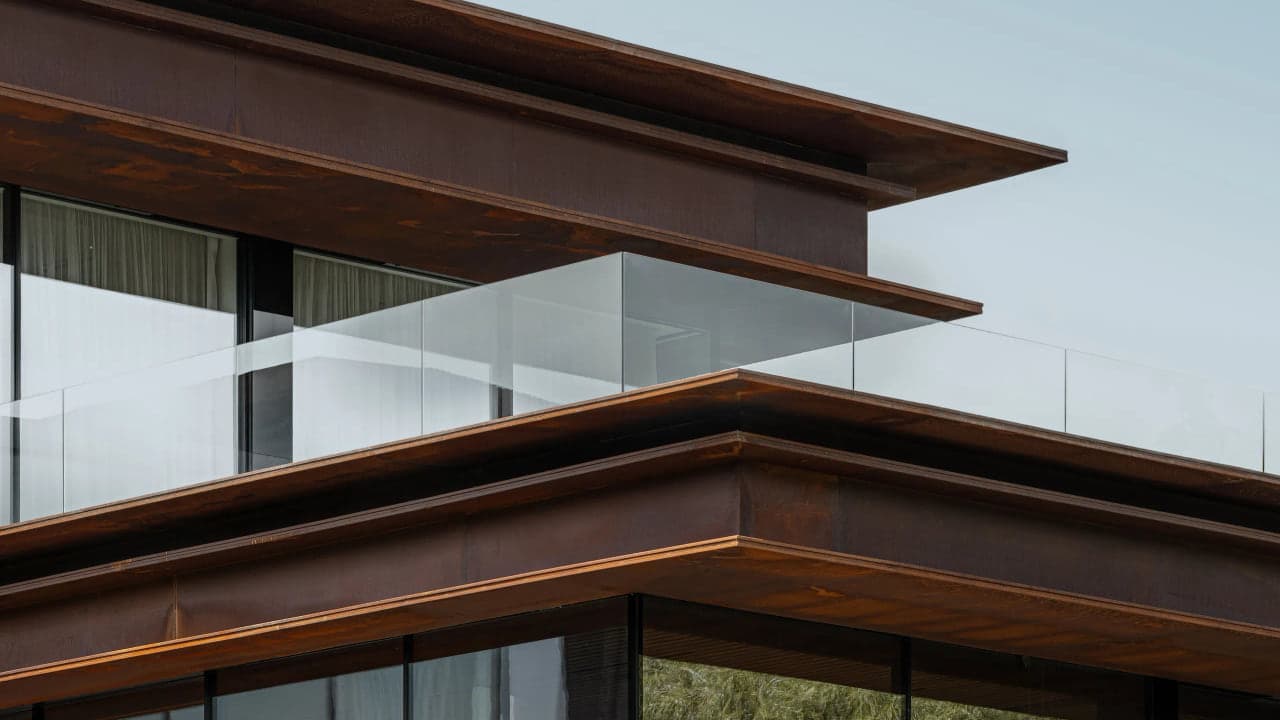
Architecture · Oct 1, 2026 · 4 min
What Gaudí's Structural Principle Means for a Miami House
Gaudí's buildings get read as curves and ornament. The actual design decision underneath them is about structure, and part of it scales down to a Coconut Grove house.
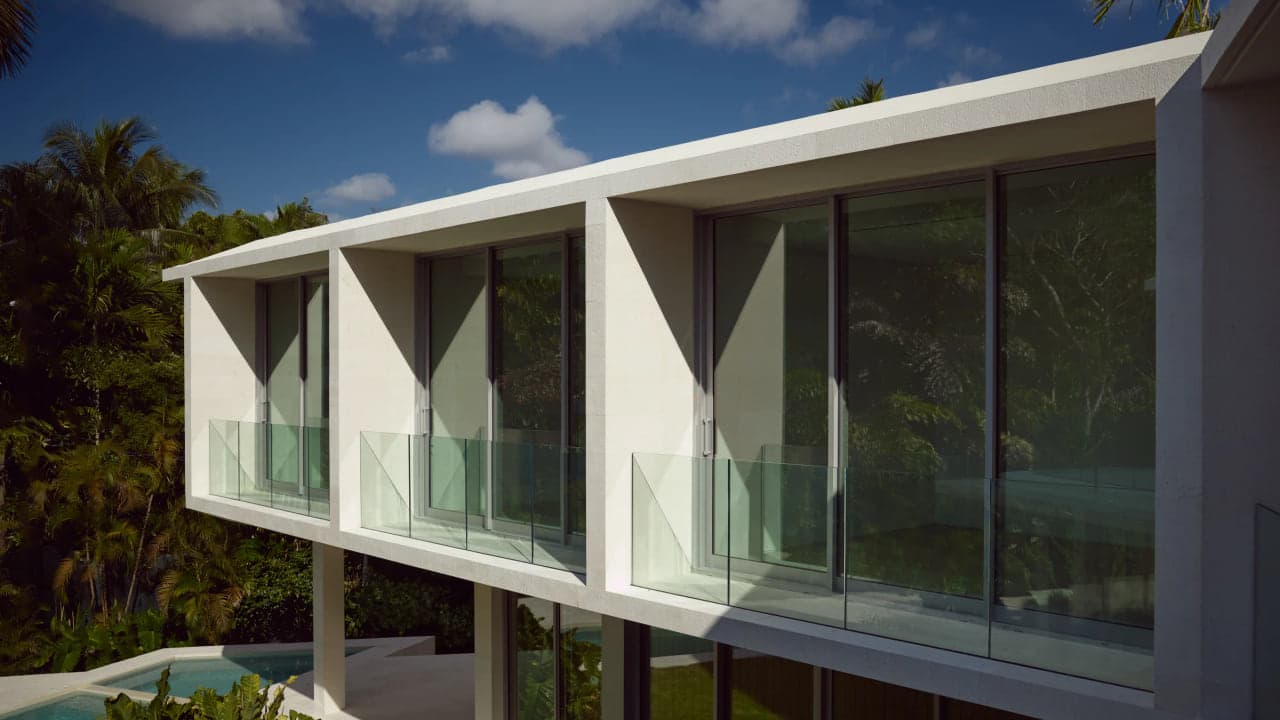
Architecture · Sep 30, 2026 · 4 min
How Luxom Chooses an Architectural Style for a Coconut Grove Lot
Style lists rank categories by taste. What actually decides Mediterranean Revival, Miami Modern or contemporary glass and concrete is the lot itself, its canopy, setback and light.
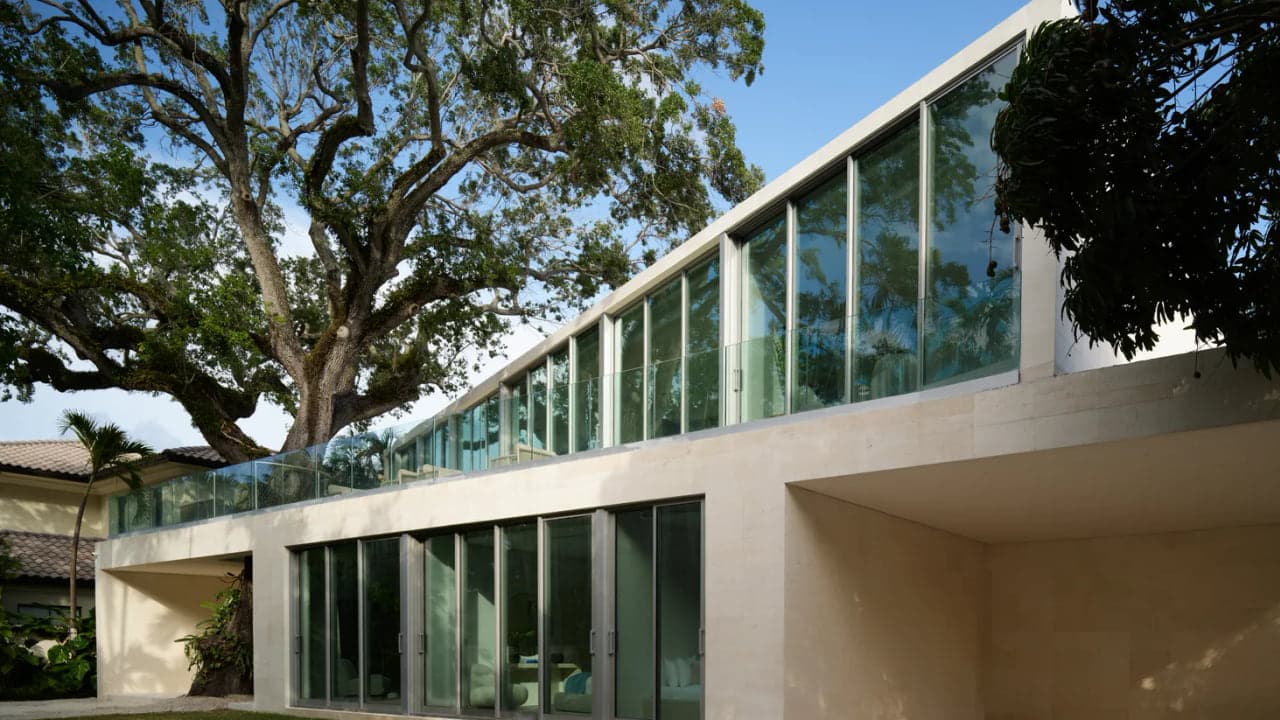
Architecture · Sep 29, 2026 · 6 min
Architecture Terms Every Coconut Grove Buyer Should Know
Massing, fenestration, cantilever. A working vocabulary for the words that show up on a real set of drawings, defined against an actual Coconut Grove house instead of a textbook page.