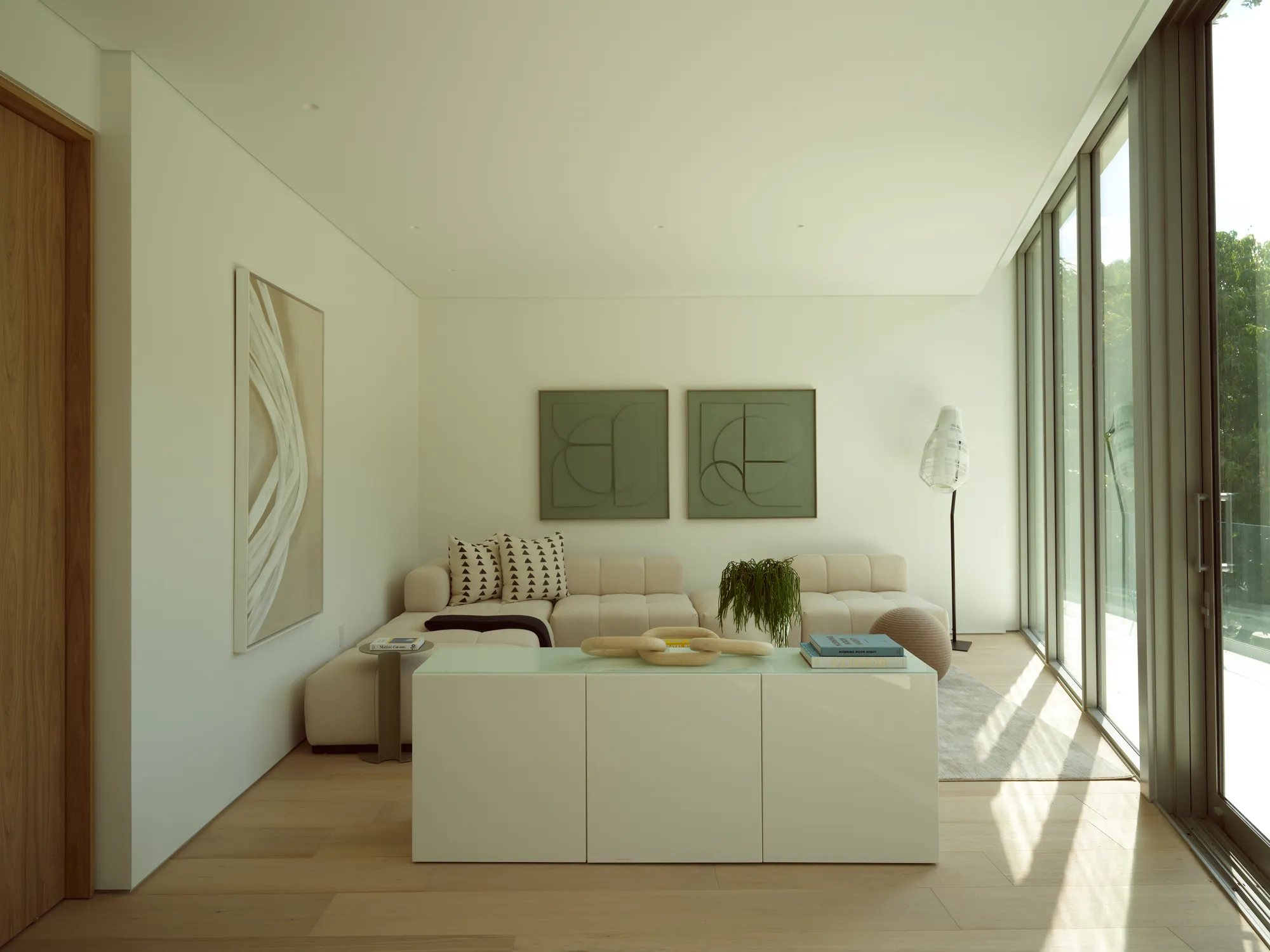
Wabi-sabi in high-end residences
The Japanese aesthetic of imperfection reads, at the top of the market, as the deepest form of luxury. What wabi-sabi is, and how it works in a high-end home.
Luxom Studio · LUXOM Developments
· 4 min read · Last reviewed
Key takeaways
- Wabi-sabi is a Japanese aesthetic that finds beauty in imperfection, impermanence and the marks of time, the opposite of the flawless, machine-made surface.
- In a high-end residence, wabi-sabi interior design reads as luxury because handmade imperfection and honest material are rarer and harder to achieve than gloss.
- The look runs on tactile, aged and irregular materials: hand-plastered walls, raw wood, unglazed ceramic and unlacquered metal that patinas rather than resists time.
- Wabi-sabi decor is restrained and asymmetric. It leaves negative space, favors the singular handmade object over the matched set, and lets surfaces show their making.
- Wabi-sabi and quiet luxury overlap: both reject trend and display, but wabi-sabi goes further, treating the imperfect and impermanent as the point rather than a flaw to hide.
Editor's note
Wabi-sabi has drifted into design language as a mood board word, a shorthand for beige rooms and rough pottery. The real idea is older and more demanding. It is a Japanese sensibility that finds beauty in imperfection, impermanence and the marks of time, and it runs directly against the instinct to make every surface flawless.
That instinct is exactly why it now reads, at the top of the market, as the deepest form of luxury. When perfection is cheap and machine-made, the handmade and the honestly aged become the rare thing. This is what wabi-sabi actually is, and how it works in a high-end residence without collapsing into something that just looks unfinished.
Imperfection is the point, not the excuse
Wabi-sabi begins from a premise most design resists: that the imperfect, the asymmetric and the impermanent are beautiful in themselves. A wall that shows the hand that plastered it, wood that carries its grain and age, ceramic thrown with a potter's irregularity: these are not defects to be corrected. They are the aesthetic. The philosophy treats the marks of time and making as evidence of life rather than flaws to hide.
That is a genuinely different starting point from minimalism, which prizes the perfect empty surface, or from conventional luxury, which prizes the flawless expensive one. Wabi-sabi asks for neither. It asks for honesty in material and acceptance of change, which turns out to be a much harder brief to execute well than a polished one.
Why the flawless surface became the cheap one
The reason wabi-sabi reads as luxury now is economic as much as aesthetic. Mass production has made perfect, uniform, high-gloss finishes easy and inexpensive to buy. When anyone can have the flawless surface, it stops signaling anything. What remains genuinely rare is the handmade and the materially honest: a lime-plastered wall applied by a skilled hand, stone left with its texture, metal allowed to patina in place. These take real labor and real material, and they resist convincing imitation.
Wabi-sabi also reads as confidence. A room that leaves negative space and shows its making is not trying to prove its cost, which is the same restraint that defines quiet luxury. The two sensibilities increasingly converge at the high end for this reason, and we wrote about the neighboring one in quiet luxury.
Pull quote
A wabi-sabi room does not hide its age or its hand. That refusal to pretend is the whole of its elegance.
The material list is honest and allowed to age
Wabi-sabi runs on a short palette of natural, tactile materials that are permitted to change. Hand-applied lime or clay plaster, so walls hold texture and light. Raw, reclaimed or lightly finished wood that shows grain, knots and history. Unglazed or hand-thrown ceramic. Stone left with its natural face rather than polished to a mirror. Unlacquered brass, bronze or blackened metal that patinas rather than resists time. Undyed linen and wool in their honest colors.
What unites them is that none pretends to be something else, and each deepens with age and use. Uniform, synthetic and high-gloss materials are avoided precisely because they read as the opposite of the philosophy. This palette overlaps almost entirely with organic modern design, and how it assembles into a full scheme is the subject of our piece on organic modern interior design.
Keeping it luxury, not unfinished
The risk in wabi-sabi is obvious: the line between chosen imperfection and simple neglect is thin. What keeps a room on the right side of it is intention and craft. Wabi-sabi imperfection is executed with skill, not left by accident. A softly irregular plaster wall is applied by an expert to look that way; a rough one is just a rough wall. The discipline is the same restraint any considered interior demands: fewer elements, each one right, with the textures reading as deliberate.
Start with the fixed surfaces in honest handmade materials, keep the palette tonal and restrained, favor asymmetry and negative space, and let a few singular handmade objects carry the room rather than a matched collection. Then hold the line: a glossy, synthetic or obviously mass-produced piece breaks the spell instantly, and clutter reads as mess rather than calm. Handled with that discipline, wabi-sabi becomes the most quietly luxurious register a high-end home can take, and the one least likely to date. For the sensibility it sits beside on the spectrum, read quiet luxury.
Pull quote
The flawless surface is now the cheap one. At the top of the market, the hand that made a thing is the luxury.
Filed under
Questions about wabi-sabi interior design
01What is wabi-sabi in interior design?
Wabi-sabi is a Japanese aesthetic philosophy that finds beauty in imperfection, impermanence and the natural marks of time. In interior design it translates into rooms built from honest, handmade and aged materials rather than flawless machine-made ones: hand-plastered walls that show the trowel, raw or reclaimed wood, unglazed ceramic, stone with its texture intact, and metal left to patina. The aesthetic is quiet, restrained and asymmetric, leaving negative space and favoring a single handmade object over a matched, symmetrical set. Where much design chases the perfect, uniform surface, wabi-sabi treats irregularity and wear as beauty rather than defect. It is less a style you buy than a sensibility you apply, closely related to warm minimalism and the work of designers like Axel Vervoordt. In a high-end home it reads as depth and calm rather than decoration. For the adjacent sensibility, see quiet luxury.
02Why does wabi-sabi read as luxury in a high-end home?
Because the flawless surface has become the cheap one. Mass production has made perfect, uniform finishes easy and inexpensive, so at the top of the market the genuinely rare thing is the handmade, the irregular and the materially honest. A wall finished by hand in lime plaster, ceramic thrown by a potter, wood that shows its grain and age: these take skilled labor and real material, and they cannot be faked convincingly. Wabi-sabi also reads as confidence. A room that leaves negative space and shows the marks of its making is not trying to prove anything, which is the same restraint that signals quiet luxury. The result feels deep and calm rather than styled. It is the difference between a home that announces its cost and one that simply feels considered. This is why wabi-sabi and quiet luxury increasingly define the high end.
03What materials define a wabi-sabi interior?
The palette is natural, tactile and allowed to age. Hand-applied lime or clay plaster on walls, so the surface holds texture and light rather than reading flat. Raw, reclaimed or lightly finished wood that shows its grain, knots and history. Unglazed or hand-thrown ceramic, and stone left with its natural texture rather than polished to a mirror. Unlacquered brass, bronze or blackened metal that develops a patina in place instead of resisting time. Undyed linen, wool and other natural textiles in their honest colors. What unites them is imperfection and honesty: none pretends to be something else, and each improves, or at least deepens, with age and use. Uniform, high-gloss and synthetic materials are avoided because they read as the opposite of the philosophy. The aesthetic overlaps heavily with organic modern design; see our piece on organic modern interior design for how these materials assemble into a full scheme.
04How is wabi-sabi different from minimalism or quiet luxury?
All three reject trend, clutter and display, but they differ in emphasis. Strict minimalism reduces a room to the essential and can read as cold, uniform and precise, prizing the perfect empty surface. Quiet luxury keeps that restraint but warms it with rich, well-made natural materials, reading as expensive without announcing it. Wabi-sabi goes a step further and embraces what the other two might smooth away: the imperfect, the asymmetric, the aged and the impermanent become the point rather than a flaw to hide. Where minimalism wants the flawless, wabi-sabi wants the handmade and the worn. In practice the three sit on a spectrum, and a high-end home often blends them, using minimalist discipline, quiet-luxury materials and wabi-sabi's acceptance of imperfection together. For the neighboring sensibility on that spectrum, read quiet luxury.
05How do you bring wabi-sabi into a home without it looking unfinished?
The line between wabi-sabi and simply unfinished is intention and craft. Wabi-sabi imperfection is chosen and executed with skill, not neglected: a hand-plastered wall is applied by an expert to look softly irregular, not left rough by accident. Start with the fixed surfaces, walls, floors and built elements, in honest handmade materials, then keep the palette tonal and the room restrained so the textures read as considered. Favor asymmetry and negative space over symmetry and fullness, and let a few singular handmade objects carry the room rather than a collection. Avoid the traps: mixing in glossy, synthetic or obviously mass-produced pieces breaks the spell, and so does clutter, which reads as mess rather than calm. The discipline is the same as any restrained interior: fewer elements, each one right. Our interior design service plans wabi-sabi homes so the imperfection always reads as luxury, never as an oversight.
Explore the portfolio
Projects to see


Talk to the studio
If this belongs in your home, our studio will draw the plan.
Initial conversation, 30 minutes. We listen to the brief and respond with a scoped proposal within five working days. You can also read the services page for typical timelines and fees.
Written by Luxom Studio · LUXOM Developments
The design and development studio behind LUXOM residences in Coconut Grove, Miami
Keep reading
From the journal
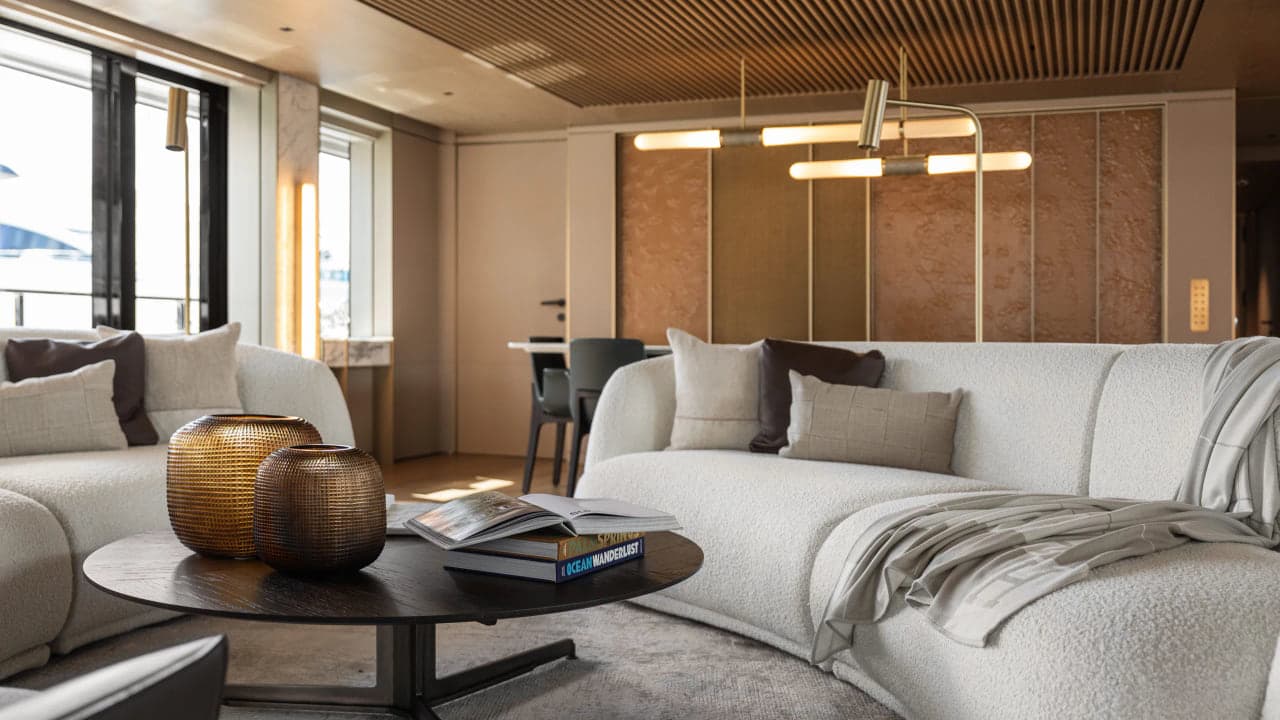
Interiors · Oct 2, 2026 · 4 min
Navy Sofa Styling Ideas: Material Before Color
Every guide hands you five or six color schemes to choose between. The decision that actually matters is the stone, wood and metal already built into the room, chosen before the sofa.
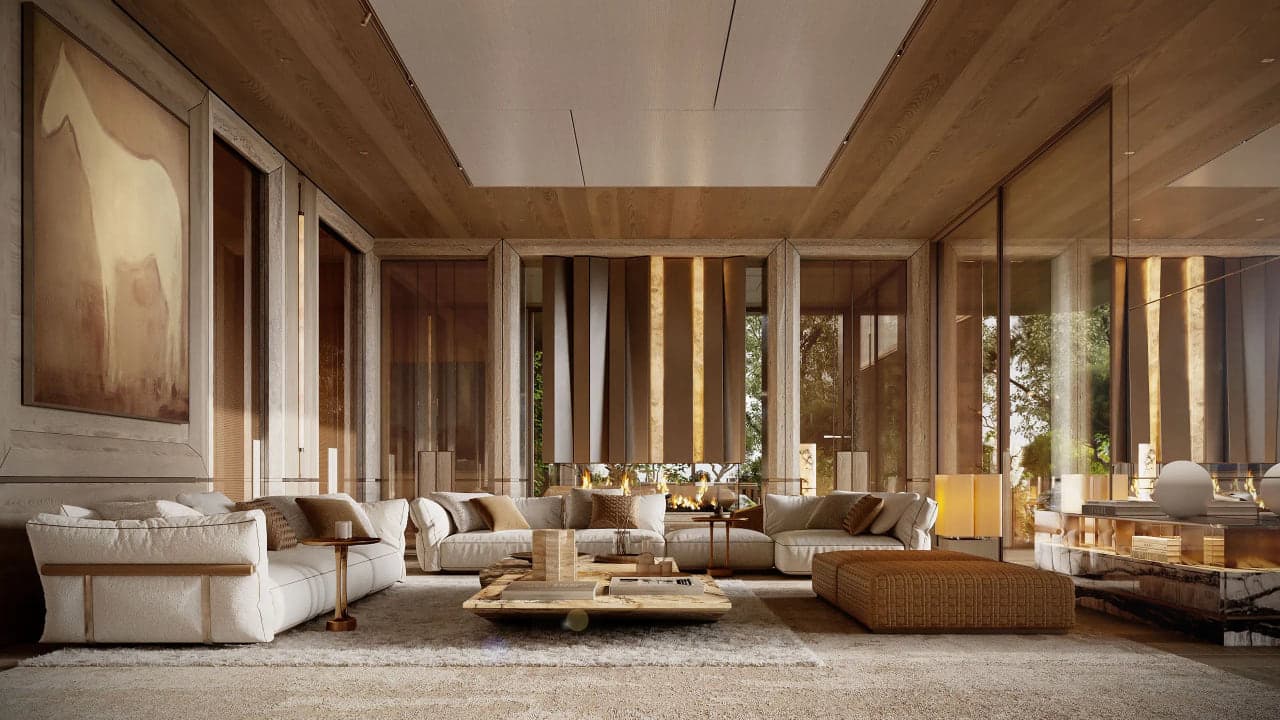
Interiors · Oct 2, 2026 · 7 min
Interior Designer Miami FL: How to Vet One Before You Hire
Miami's interior designer listings sort firms by budget, style and awards. None of them show who decides the wall, the window height or the zoning limit before a single finish gets chosen. Here is how to look past the directory.
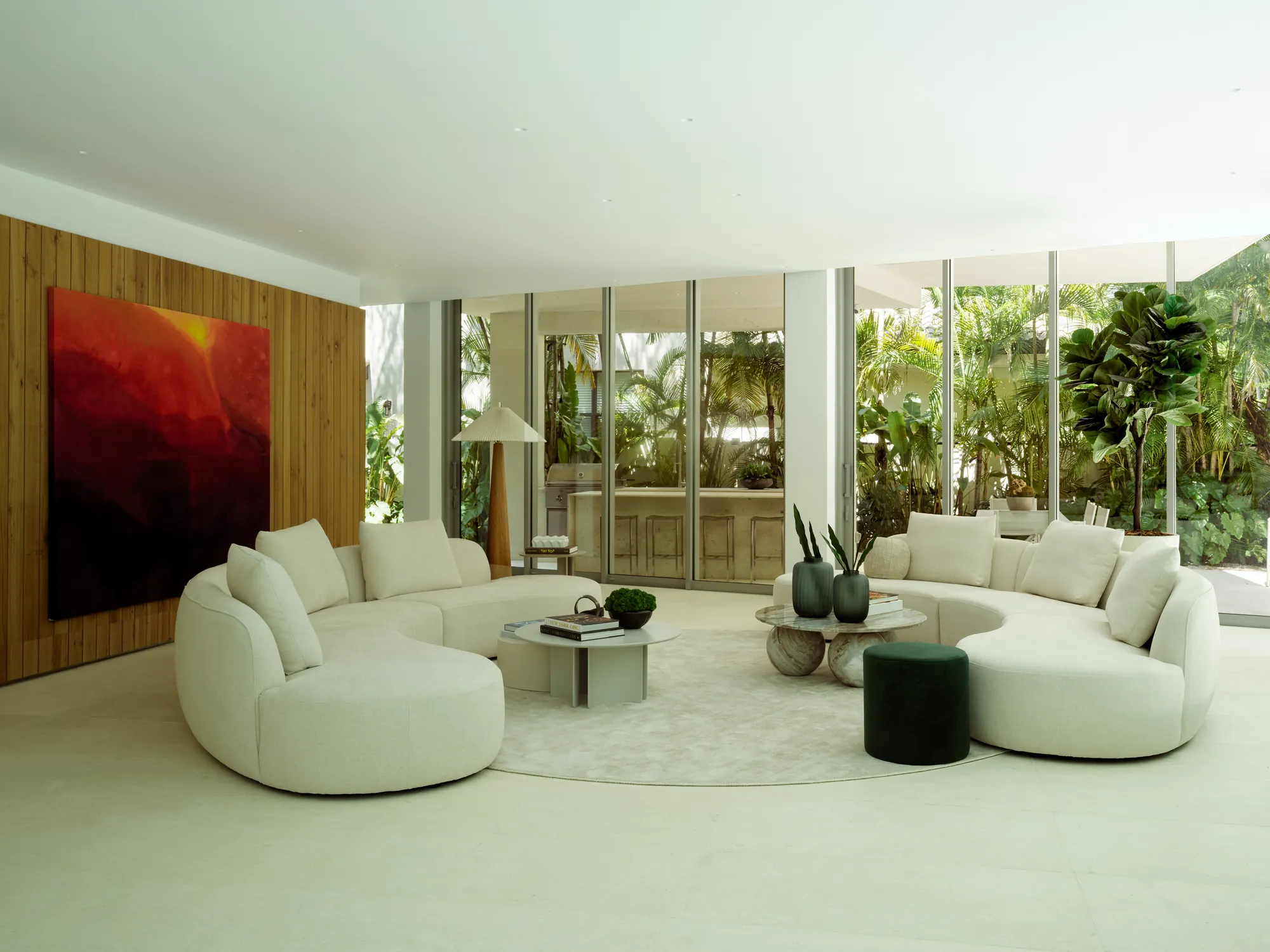
Interiors · Sep 13, 2026 · 5 min
Your rug should not match your furniture. It should talk to it.
The generic advice says find one matching thread. What that actually looks like in a finished Luxom room is a planned material conversation, not a matched fabric swatch.