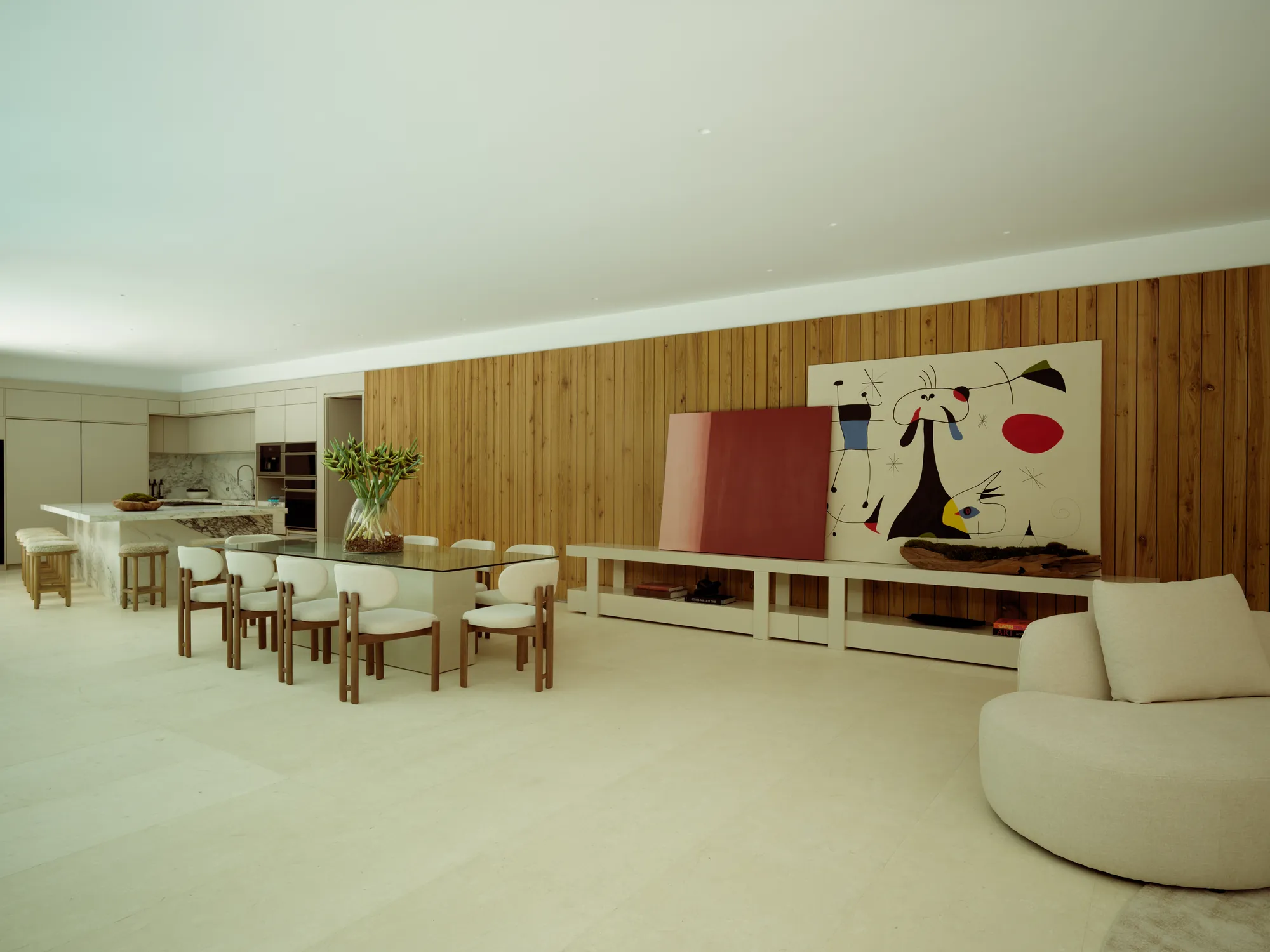
Organic modern interior design, explained
What organic modern actually means, how it differs from plain minimalism, and how it relates to warm minimalism and quiet luxury. The materials, the palette, and the discipline behind the calm.
Luxom Studio · LUXOM Developments
· 4 min read · Last reviewed
Key takeaways
- Organic modern interior design pairs the clean lines and restraint of modernism with natural materials, soft curves and an earthy palette, so the result reads as calm and warm rather than stark.
- The style is defined by nature: wood, stone, plaster, rattan, wool and linen, in tones drawn from earth and sand, with rounded forms that soften the geometry of a modern room.
- Organic modern is close to warm minimalism. Both warm a reductive space with material richness, but organic modern leans harder into curves, texture and a sense of the handmade.
- It shares its quiet, unbranded restraint with quiet luxury. The difference is emphasis: organic modern foregrounds nature and tactility, where quiet luxury foregrounds craft and permanence.
- The discipline is balance. Too little and it reads cold and modern, too much and it reads rustic. The style lives in the tension between clean structure and natural softness.
Editor's note
Organic modern is one of those phrases that gets attached to almost anything with a beige sofa and a curved wall. Underneath the styling, though, it names something specific: modernism's clean structure warmed by natural materials, soft forms and an earthy palette until the room feels calm rather than clinical.
This piece explains the style through the way we work, and places it next to its two closest relatives, warm minimalism and quiet luxury. They overlap so much that the differences are worth naming precisely, because the differences are where the design decisions actually live.
What organic modern actually is
Organic modern takes the discipline of modernism, clean lines, restraint, uncluttered space, and softens it with everything modernism at its coldest left out. The geometry stays, but it is rounded. The palette stays quiet, but it turns earthy. The materials stay considered, but they become natural and tactile: wood with visible grain, stone, plaster, rattan, wool and linen in place of glass and steel alone.
The effect is a room that reads as contemporary and calm at once, grounded rather than sparse. It borrows from older ideas, mid-century furniture forms and the wabi-sabi appreciation of natural imperfection among them, and settles into something quieter than either. It is defined less by a set of products than by a balance held in the room.
The materials and the palette
The organic modern palette comes straight from nature. Wood leads, ideally with its grain on show, alongside natural stone, hand-applied plaster or lime, cane and rattan, and undyed textiles in wool, linen and boucle. Warm, unlacquered metals patina in place. Color stays earthy and low in contrast: warm whites, oatmeal, sand, clay, muted green and soft brown, with black used only to ground.
Form does as much work as material. Curved sofas, rounded tables, arched openings and softened edges are central, because they are what dissolve modernism's hard geometry. Texture, not pattern or bright color, carries the room, which is why a nearly monochrome organic modern space still feels rich instead of flat.
How it relates to warm minimalism
Warm minimalism and organic modern are so close that they are often the same room described by two people. Both take a reductive, uncluttered space and warm it with material richness rather than decoration. The distinction is one of emphasis. Warm minimalism keeps a stronger pull toward reduction and calm order, while organic modern leans harder into curve, texture and the visibly handmade.
If warm minimalism is minimalism made livable, organic modern is warm minimalism with more of nature turned up. The two share a parent and a palette, and in practice many homes sit somewhere between them. We cover the sibling approach in warm minimalism.
Pull quote
The style lives in a tension. Too little nature and it is just modernism. Too much and it is a cabin. Organic modern is the exact point where those two hold each other.
How it relates to quiet luxury
Organic modern and quiet luxury share a spirit: calm, restraint, natural materials, and nothing shouting for attention. Where they part is emphasis again. Organic modern foregrounds nature and tactility, and its mood is soft and grounded. Quiet luxury foregrounds craft and permanence, and its emphasis is on precise execution and materials that age into value without announcing themselves.
The two are not rivals. The most considered homes often run an organic modern palette with quiet-luxury rigor, the warmth of the one executed with the discipline of the other. For the fuller case on that restrained, unbranded approach, quiet luxury sets it out.
Getting it right
The whole style is a discipline of balance. Push too far toward clean structure and the room turns cold and modern. Push too far toward natural texture and it turns rustic. Organic modern lives in the narrow band between, where clean architecture and natural softness hold each other in check.
That balance is hard to buy in a single haul and easy to get wrong by overstyling. It is designed, not shopped. Our projects show the approach in built residences, and our services explain how we plan a room to sit exactly on that line and stay there.
Pull quote
Organic modern is modernism that remembered it was for people. The lines stay clean, but the room finally feels like somewhere you want to sit.
Filed under
Questions about organic modern interior design
01What is organic modern interior design?
Organic modern interior design is a style that combines the clean lines and restraint of modernism with the warmth of natural materials, soft organic forms and an earthy palette. Where classic modernism can feel hard and cool, organic modern keeps the structure but softens it: rounded furniture instead of sharp edges, wood and stone and plaster instead of glass and steel alone, tones drawn from sand, clay and stone rather than stark black and white. The result is a space that feels calm, grounded and inviting while still reading as contemporary. It draws on several older ideas, including mid-century modern furniture forms and the Japanese wabi-sabi appreciation of natural imperfection, and blends them into something quieter than either. In practice it is defined less by a shopping list than by a balance, holding clean architecture and natural softness in the same room. It overlaps closely with warm minimalism.
02How is organic modern different from minimalism?
Minimalism reduces a room to its essentials and can read as cool, hard and even austere, with white walls, sharp geometry and empty surfaces. Organic modern keeps minimalism's discipline of reduction but replaces its coldness with warmth. The lines stay clean and the clutter stays gone, but the materials become natural and tactile, the forms turn curved and softer, and the palette shifts from stark contrast to earthy neutrals. The feeling changes completely: strict minimalism can ask you to keep a space perfect, while organic modern invites you to live in it. Think of minimalism as the skeleton and organic modern as the same skeleton wrapped in wood, plaster, wool and rounded form. This is why organic modern sits so close to warm minimalism, which follows the same logic of warming a reductive space with material richness. We cover that sibling style in warm minimalism.
03What materials and colors define the organic modern look?
The organic modern palette is drawn from nature. Materials lead with wood, ideally with visible grain, alongside natural stone, hand-applied plaster or lime, rattan and cane, and undyed textiles in wool, linen and boucle. Metals, when used, are warm and often unlacquered so they patina. The color story is earthy and low-contrast: warm whites, oatmeal, sand, clay, terracotta, muted greens and soft browns, with black used sparingly as a grounding accent rather than a dominant note. Form matters as much as material. Curved sofas, rounded tables, arched openings and soft edges are central to the style, softening the geometry that modernism otherwise imposes. Texture carries the room in place of pattern or bright color, so a nearly monochrome space still feels rich. The rule of thumb is to choose materials that show their nature honestly and would look better with age, the same material logic behind quiet luxury.
04How does organic modern relate to quiet luxury?
Organic modern and quiet luxury are close relatives that share a spirit of calm, restraint and no branding, but they emphasize different things. Both avoid trends, logos and loud color, and both rely on natural materials and negative space to carry a room. The difference is where each puts its weight. Organic modern foregrounds nature and tactility: curves, grain, earth tones and a handmade quality are the point, and the mood is soft and grounded. Quiet luxury foregrounds craft and permanence: the emphasis is on precise execution, materials that age into value, and a discipline that reads as expensive without announcing it. You can absolutely have both at once, and many considered homes do, an organic modern palette executed with quiet-luxury rigor. If you want the fuller argument on the restrained, unbranded approach to a home, quiet luxury lays it out, and our services show how we combine them.
05Is organic modern a passing trend or a lasting style?
Organic modern rests on foundations old enough that it is unlikely to date quickly. Its ingredients are not novel: natural materials, clean modern lines, earthy palettes and the appreciation of natural imperfection have appeared in fine interiors for decades, drawing on mid-century modern and wabi-sabi among others. Because it relies on materials that age well rather than on this season's colors or shapes, an organic modern room tends to hold its appeal the way any material-led interior does, softening rather than expiring. The risk is not the style but its execution: leaning too hard into rustic props or treating it as a look to be bought in a single haul produces something that will feel dated. Done as a discipline of balance rather than a trend to chase, it lasts. That longevity is exactly what it shares with warm minimalism and quiet luxury, both covered in our journal, and it is how we design at Luxom.
Explore the portfolio
Projects to see


Talk to the studio
If this belongs in your home, our studio will draw the plan.
Initial conversation, 30 minutes. We listen to the brief and respond with a scoped proposal within five working days. You can also read the services page for typical timelines and fees.
Written by Luxom Studio · LUXOM Developments
The design and development studio behind LUXOM residences in Coconut Grove, Miami
Keep reading
From the journal
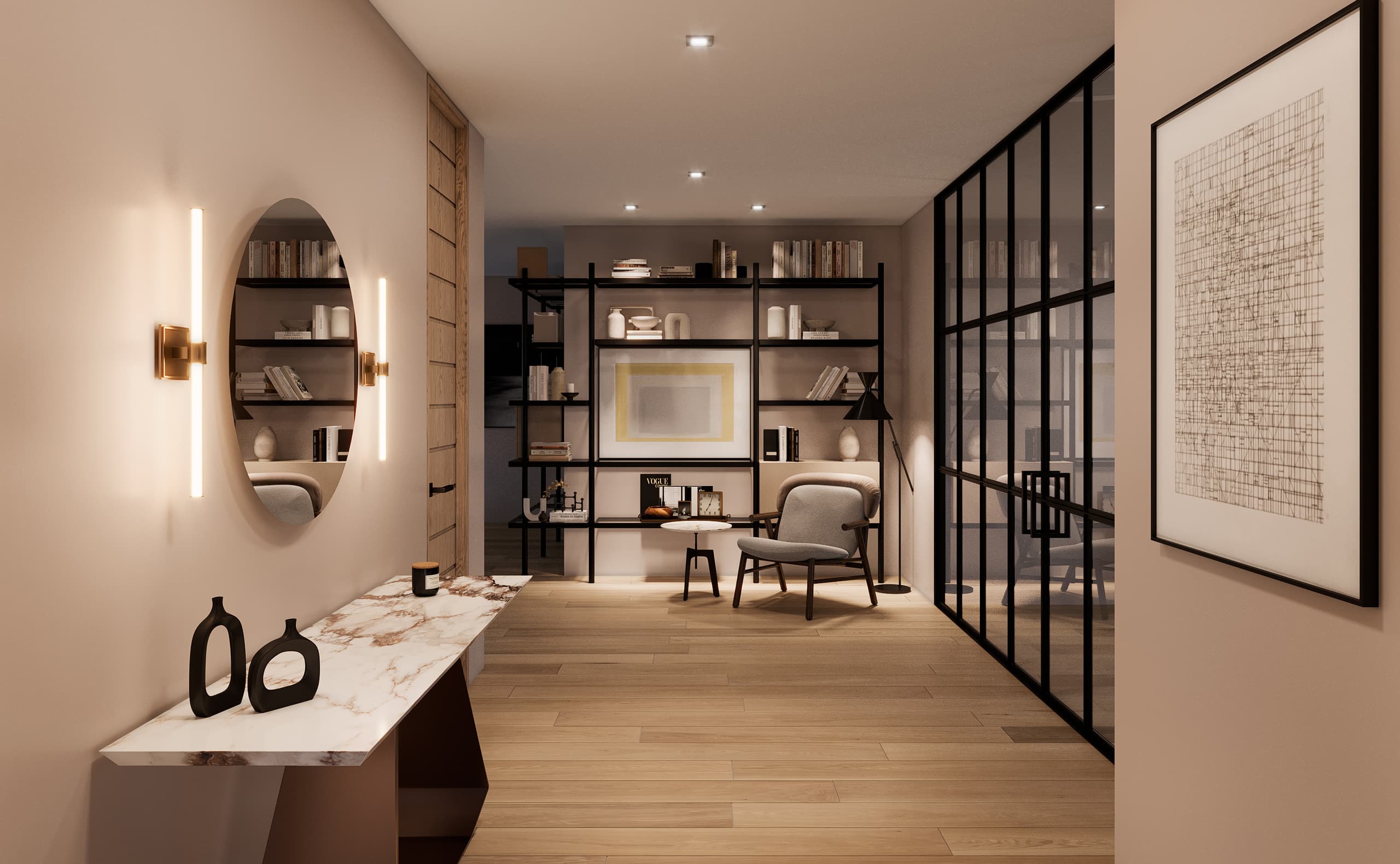
Interiors · Jul 26, 2026 · 4 min
What a full-service interior design firm actually does
The phase-by-phase reality of hiring a full-service interior design firm in Miami: what the work covers, where the value sits, and what a signed brief buys you.
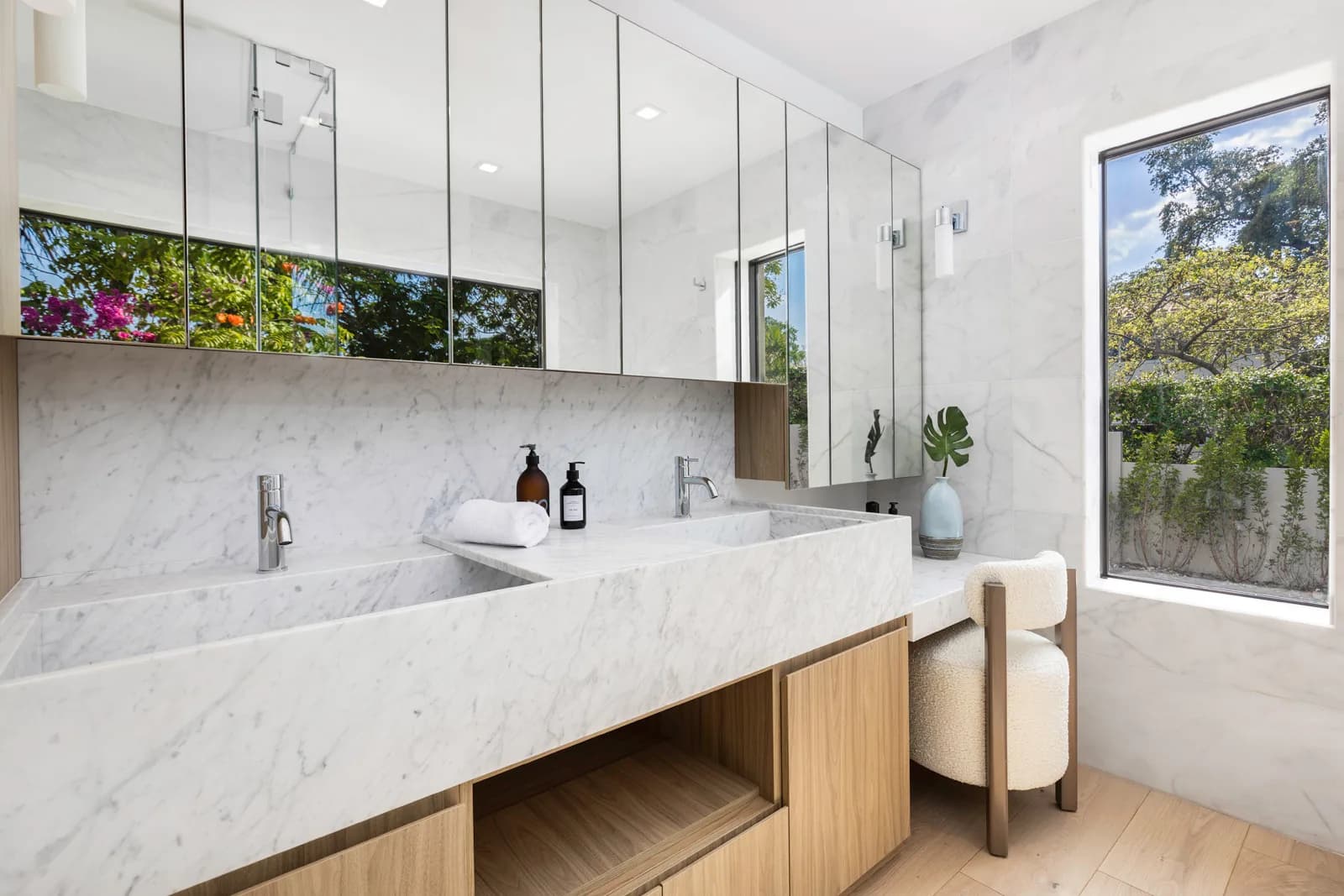
Interiors · Jul 19, 2026 · 4 min
The dressing room: walk-in closets as architecture
How to design a walk-in closet that reads as a room, not storage. Layout, proportion, materials and lighting that turn a closet into a dressing room.
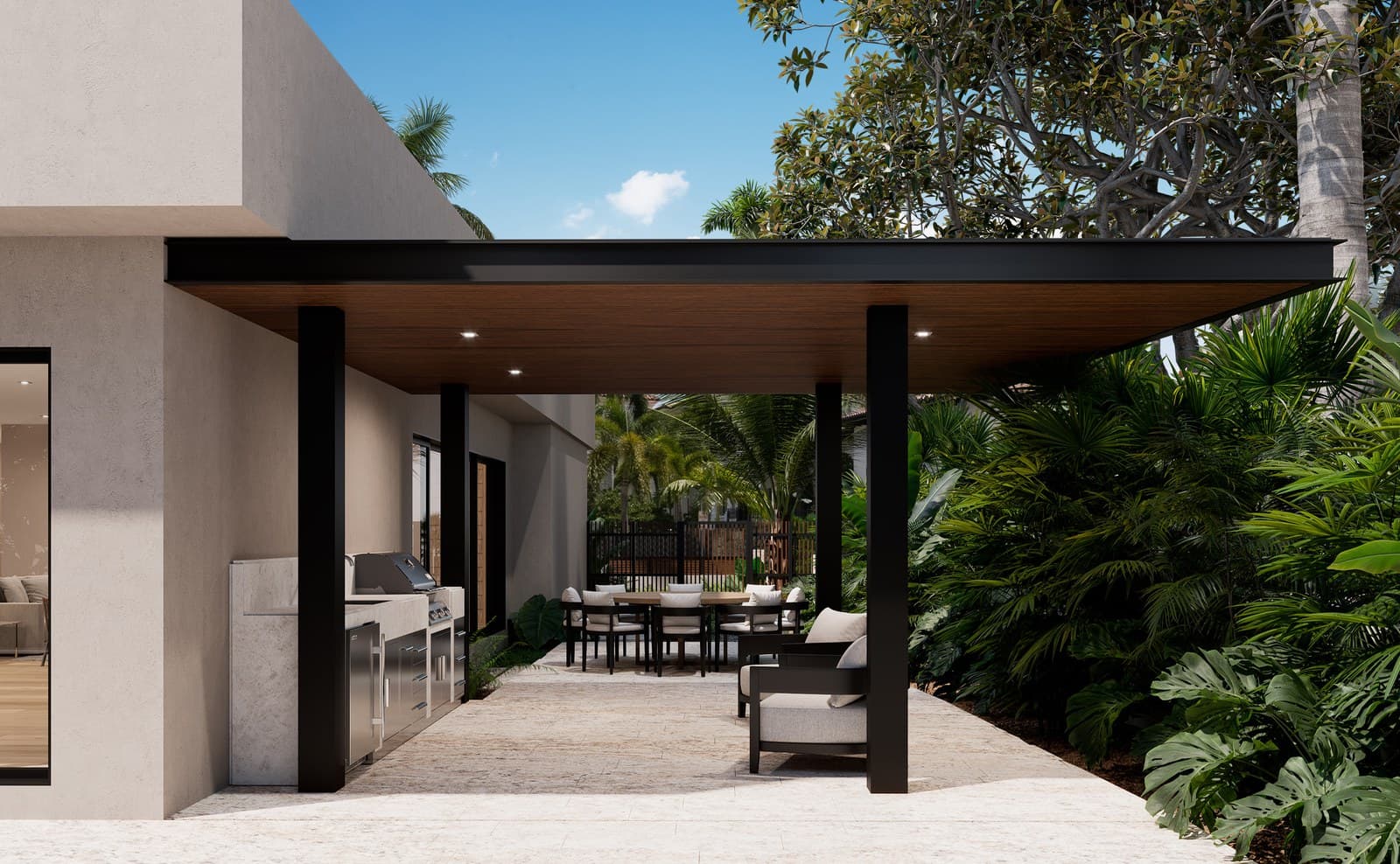
Interiors · Jul 15, 2026 · 4 min
The Miami outdoor kitchen, designed like an interior
Why the best outdoor kitchens are planned with the rigor of a room, not bolted on as an afterthought. Materials that survive the climate, and a layout built for entertaining.