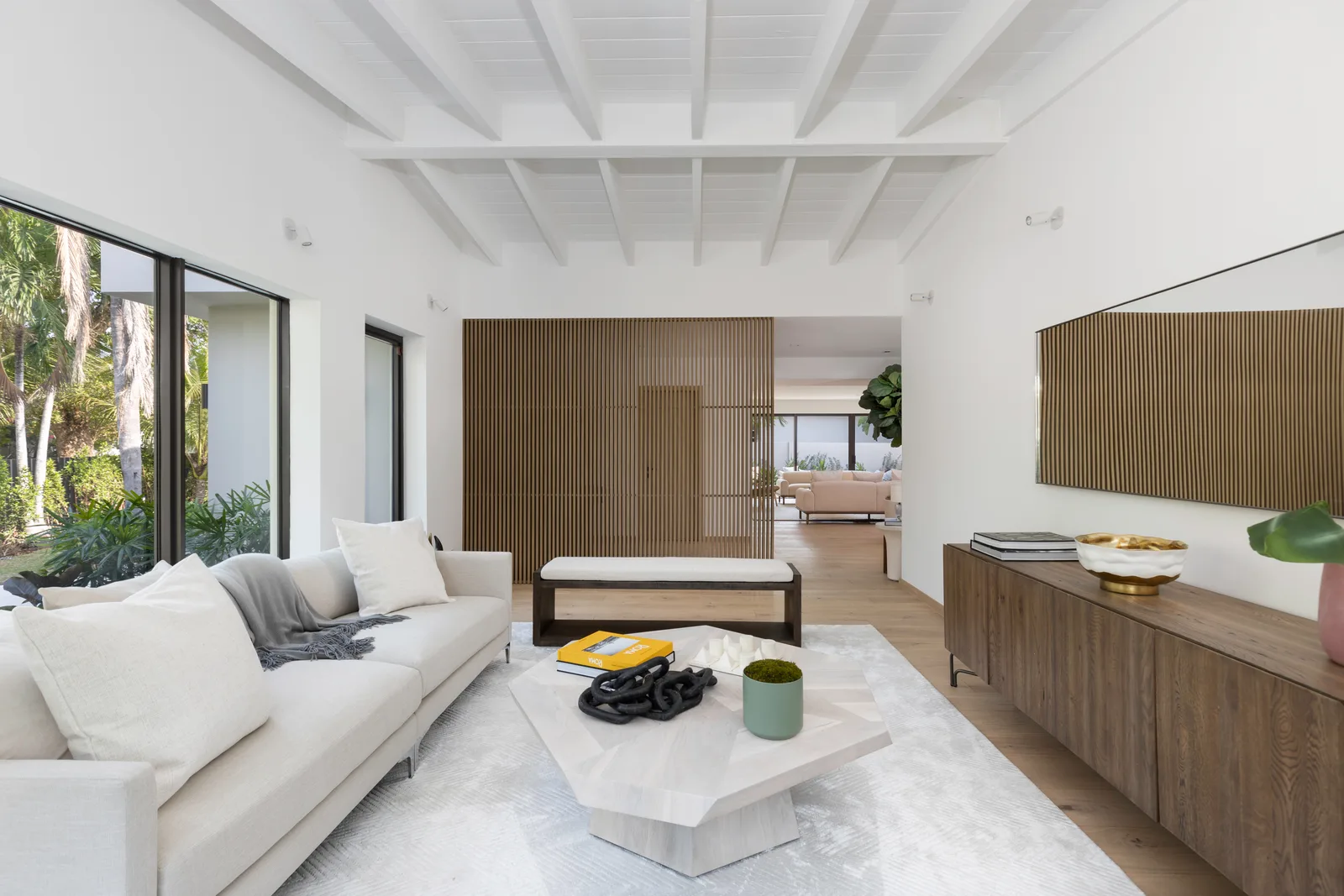
Ten Interior Design Styles, and How to Ask for Each One
Ten interior styles, from modern and Japandi to coastal and warm tropical modern: what defines each one, where it goes wrong, and the words to use when you brief a designer.
Luxom Studio · LUXOM Developments
· 7 min read · Last reviewed
Key takeaways
- A style name is shorthand, and the same word means different things to different people. What a designer actually needs is the materials, shapes and palette you mean when you say it.
- Modern and contemporary are not the same thing. Modern is a fixed historical style built on clean lines and honest materials; contemporary is whatever design looks like now, so it keeps moving.
- Minimalist, Scandinavian and Japandi share a love of restraint but differ in warmth: minimalism removes, Scandinavian brightens, Japandi slows the room down with natural materials and imperfect craft.
- Mid-century modern, industrial, traditional and coastal are at their best when they borrow the logic of the style, not its props. Anchors, bare bulbs and reproduction antiques are where each one goes wrong.
- Warm tropical modern is the language we design in for Coconut Grove: modern lines, stone and warm wood, deep shade and rooms that open to planting, tuned to a climate that is hot, bright and wet.
From the feed
The reel we posted ran through ten interior styles in under twenty seconds and ended on a question: which one are you? The more useful line was the first one. Knowing the names of styles is not the point. Knowing what to ask for is. A style name is shorthand, and shorthand only works when both people in the room read it the same way. This is the guide we promised, all ten, with what defines each one, where it tends to go wrong, and the words that get a designer to the right place faster than a folder of saved photos.
Why a style name only helps if you can describe it
Say "modern" to five designers and you will get five different rooms. One hears steel and glass, another hears white walls and a gray sofa, a third hears curved furniture and travertine. None of them is wrong, which is exactly the problem. The style names below are a starting point for a conversation, not a brief.
What turns a name into a brief is detail: the two or three materials you mean, the shapes of the furniture, how much you want on display, how warm or cool the palette should feel. For each style we have described those signals, the most common way the style goes wrong, and a sentence you could actually say in a first meeting. If none of the ten fits perfectly, that is normal. Most good homes are one style with a deliberate exception.
Modern, contemporary and minimalist
Modern
Modern refers to a specific period: the modernist movement of the early and middle twentieth century, with clean lines, no applied ornament, open plans and materials used honestly, steel as steel, glass as glass, wood as wood. Furniture sits on slim legs, rooms are organized around light and structure, and nothing is there purely to decorate. It goes wrong when "modern" becomes shorthand for cold, a room of hard surfaces with nothing soft to absorb sound or light. Ask for: "Clean lines and no ornament, with natural materials and enough texture that the room does not echo."
Contemporary
Contemporary means design as it is right now, which is why it keeps changing. Today that tends to mean softer curves, warm neutrals, mixed materials and sculptural furniture, while not long ago it meant high gloss and gray. It goes wrong by chasing the current moment so closely that the room dates the day the moment passes. Ask for: "Current in its shapes, but built on materials that will still look right in fifteen years."
Minimalist
Minimalism is a style of subtraction: fewer objects, fewer materials, more empty surface. It depends entirely on precision, because when there is nothing to look at, every shadow gap, door alignment and grout line is visible. It goes wrong when the storage is not designed, and the clutter that was supposed to disappear ends up on the counter. Ask for: "Very few objects on display, a lot of concealed storage, and two or three materials used everywhere." Our piece on warm minimalism covers how to keep it from feeling clinical.
Scandinavian and Japandi
Scandinavian
Scandinavian design came out of long, dark northern winters, so everything in it is about capturing light and making the house comfortable to stay in: pale woods such as ash, birch and light oak, white or soft gray walls, simple functional furniture and plenty of wool and linen. It goes wrong in a bright, hot climate when the pale, cool palette is copied without adjustment and the rooms read washed out in strong sun. Ask for: "Light woods, simple functional furniture and soft textiles, with a slightly warmer palette for our light."
Japandi
Japandi blends Japanese restraint with Scandinavian function. Furniture sits low, the palette moves through earth, stone and charcoal, materials are natural and often handmade, and imperfection is welcome: a hand-thrown bowl, a linen that wrinkles, plaster that shows the trowel. It goes wrong when it is reduced to beige and a single bonsai. Ask for: "Low furniture, natural and handmade materials, a muted earthy palette, and nothing that feels mass produced." We explore the Japanese idea behind it in wabi-sabi in high-end residences.
Mid-century modern and industrial
Mid-century modern
Mid-century modern covers roughly the late 1940s through the 1960s: tapered legs, walnut and teak, organic curves next to crisp geometry, and furniture by designers such as Charles and Ray Eames that has never really left production. Miami has its own regional version in architecture, which we wrote about in MiMo: Miami Modern. It goes wrong when every piece is a period piece and the room becomes a film set. Ask for: "Mid-century shapes and warm woods, mixed with a few contemporary pieces so it does not feel like a museum."
Industrial
Industrial style comes from converted warehouses and lofts: exposed brick and ductwork, concrete floors, blackened steel, big factory windows. In those buildings the materials were already there. It goes wrong when the look is applied to a new house that has none of those bones, and the steel and bare bulbs read as decoration rather than structure. Ask for: "Honest, raw materials like concrete and steel, used where they make sense, with residential comfort around them."
Traditional and coastal
Traditional
Traditional interiors are built on classical proportion and symmetry: paneled walls, crown molding, rich woods, patterned fabrics, pairs of lamps and chairs that balance a room. Done well it feels settled and generous. It goes wrong when it becomes heavy, with every surface layered and reproduction furniture standing in for real craft. Ask for: "Classical proportion and symmetry, real millwork, and fewer, better pieces." A softer version that pairs traditional shapes with cleaner finishes is usually called transitional.
Coastal
Coastal style is light and relaxed: white and sand tones, natural fibers such as linen, jute and rattan, weathered wood and touches of blue. It belongs near water and works best when the view does the decorating. It goes wrong when it turns into a theme, with anchors, rope and stripes on everything. Ask for: "A light, airy palette and natural textures, and no nautical props."
Pull quote
Ten styles, one test. If you can name the materials, the shapes and what you do not want, you have a brief. If you can only name the style, you have a mood.
Warm tropical modern, the one we design in Coconut Grove
Warm tropical modern takes modern lines and tunes them to a hot, bright, wet climate. The architecture does most of the work: deep overhangs and covered terraces that shade the glass, rooms that open fully to the garden, cross ventilation, and planting treated as part of the plan rather than an afterthought. Inside, the palette is stone and warm wood rather than white and chrome, travertine or limestone underfoot, white oak and walnut in the joinery, plaster walls and linen, with color coming from the green outside.
Its roots are in tropical modernism, the mid-century movement that adapted modern architecture to hot climates, from Geoffrey Bawa's houses in Sri Lanka to the Sarasota School on Florida's Gulf Coast. It goes wrong when "tropical" means printed palm leaves and rattan on everything, or when "modern" means sealed glass boxes that need full air conditioning to survive the afternoon. This is the language we work in for Coconut Grove, and it overlaps with what we have called organic modern: natural materials, quiet forms, and a house that belongs to its site. Ask for: "Modern lines, stone and warm wood, deep shade, and every main room opening to the garden."
How to use this list in a first meeting
Bring three things to a first conversation with a designer: the style that is closest, the two or three materials you know you want, and the things you never want to see in your house. The last one is often the most useful, because dislikes are usually more precise than likes. A collection of saved images helps too, as long as you can say what you like in each one, which is the discipline behind our guide to building a moodboard that holds up.
Above all, do not feel obliged to choose one style and obey it. The rooms that last are usually one clear language with a single deliberate exception: a traditional piece in a modern room, a mid-century chair in a Japandi bedroom. When you are ready to talk about yours, get in touch.
Pull quote
A style is not a look you buy. It is a set of decisions about material, light and restraint that you either make on purpose or inherit by accident.
Filed under
Questions about interior design styles and how to describe them to a designer
01What are the main interior design styles?
Ten names cover most of what designers are asked for: modern, contemporary, minimalist, Scandinavian, Japandi, mid-century modern, industrial, traditional, coastal and, in a climate like Miami's, warm tropical modern. Plenty of other labels exist, from transitional and farmhouse to maximalist and Art Deco, but most of them are variations or blends of these ten. The list works best as a vocabulary rather than a menu. Very few homes that feel resolved follow one style to the letter; most choose one clear language and allow a single deliberate exception. Each of the ten styles in this guide comes with the materials that signal it, the way it usually goes wrong, and a sentence you can use to describe it to a designer.
02What is the difference between modern and contemporary interior design?
Modern is a fixed historical style; contemporary is a moving target. Modern design refers to the modernist movement of the early and middle twentieth century: clean lines, no applied ornament, open plans and materials used honestly. That vocabulary does not change. Contemporary simply means the design of the present moment, so its look shifts every decade or so. Right now contemporary interiors lean toward soft curves, warm neutrals and sculptural furniture; not long ago they leaned toward high gloss and cool gray. The two overlap often enough that the words get used interchangeably, but in a brief the difference matters. If you want a room that will not date, ask for modern principles with contemporary comfort rather than whatever is current. Our piece on modern luxury interior design goes further into the modern vocabulary.
03What is Japandi style?
Japandi is a blend of Japanese and Scandinavian design. From Japan it takes restraint, low furniture, an earthy and muted palette and a respect for imperfection and craft; from Scandinavia it takes function, comfort and light woods. The result is calm and tactile: oak or ash furniture close to the floor, stone, plaster and linen, handmade ceramics, and very few objects on display. It works particularly well in bedrooms and living rooms where the goal is rest. It goes wrong when it is reduced to a beige palette with nothing handmade in it, which loses the warmth the style depends on. The Japanese idea underneath it, the beauty of the imperfect and the worn, is the subject of our piece on wabi-sabi in high-end residences.
04What is warm tropical modern interior design?
Warm tropical modern applies modern lines to a hot, bright and humid climate, with the architecture doing as much work as the furniture. Deep overhangs and covered terraces shade the glass, the main rooms open fully to the garden, air moves through the house, and planting is part of the plan. Inside, the palette is natural stone and warm wood rather than white and chrome: travertine or limestone floors, white oak and walnut joinery, plaster walls, linen and very little pattern, with the color coming from the green outside. It is the language we design in for Coconut Grove. It shares a great deal with organic modern interior design and with warm minimalism, with one difference: the climate and the garden are part of the brief from the first sketch.
05How do I describe my interior design style to a designer?
Name the closest style, then go beyond it. The most useful brief has three parts: the style that comes nearest, two or three materials you know you want, such as a pale stone floor or dark walnut cabinetry, and a short list of things you never want to see. Dislikes tend to be more precise than likes, so that last list often saves the most time. Saved images help, but only if you can say what you like in each one, whether it is the light, the color of the wood or the shape of a chair. Give yourself permission to mix, too: most homes that feel resolved follow one clear language with a single deliberate exception. Our moodboard guide explains how to turn a pile of images into a brief, and you can reach us here to start that conversation.
Explore the portfolio
Projects to see


Talk to the studio
If this belongs in your home, our studio will draw the plan.
Initial conversation, 30 minutes. We listen to the brief and respond with a scoped proposal within five working days. You can also read the services page for typical timelines and fees.
Written by Luxom Studio · LUXOM Developments
The design and development studio behind LUXOM residences in Coconut Grove, Miami
Keep reading
From the journal
Interiors · Jul 24, 2026 · 4 min
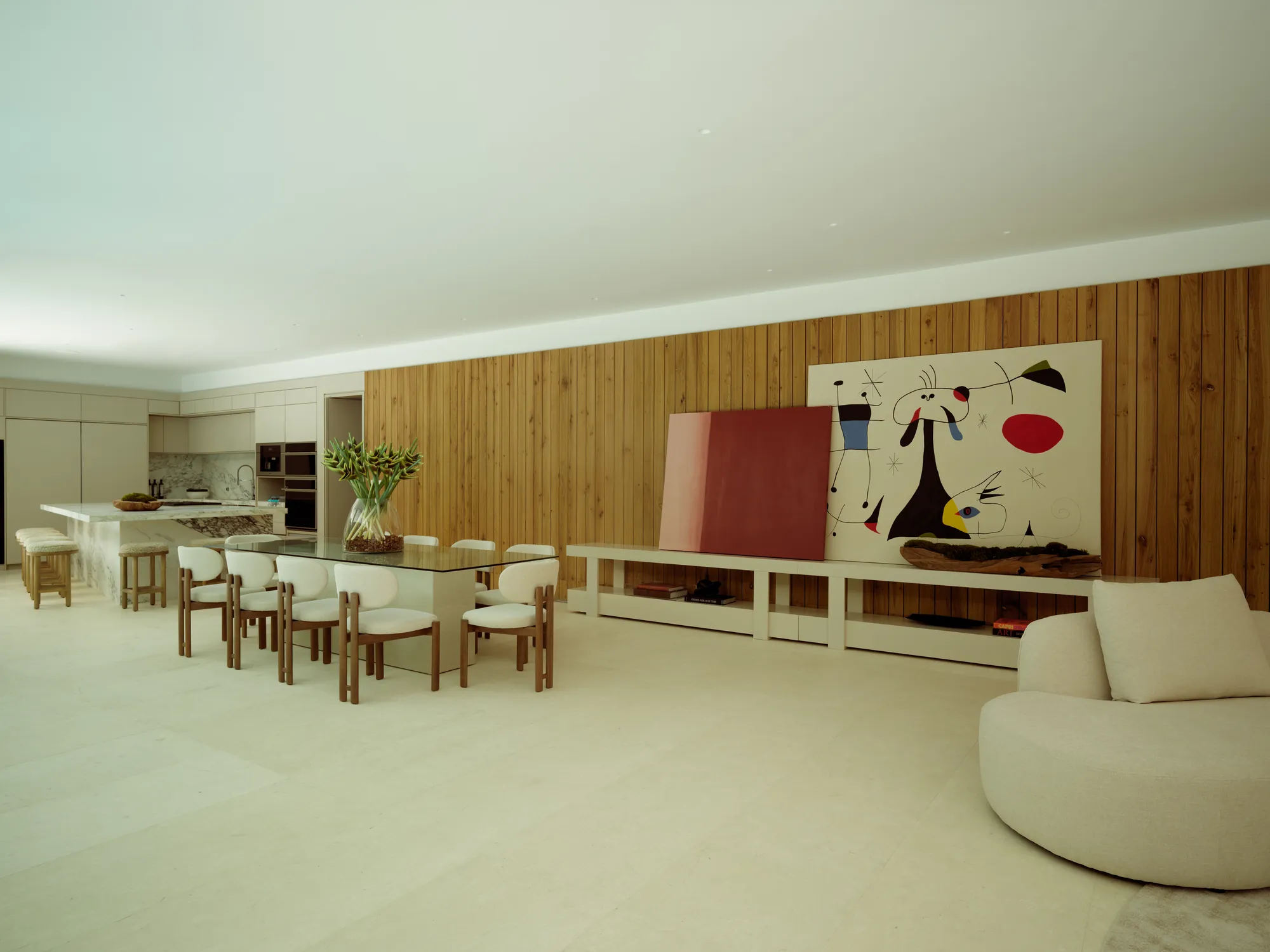
Organic modern interior design, explained
What organic modern actually means, how it differs from plain minimalism, and how it relates to warm minimalism and quiet luxury. The materials, the palette, and the discipline behind the calm.
Interiors · Jul 12, 2026 · 3 min
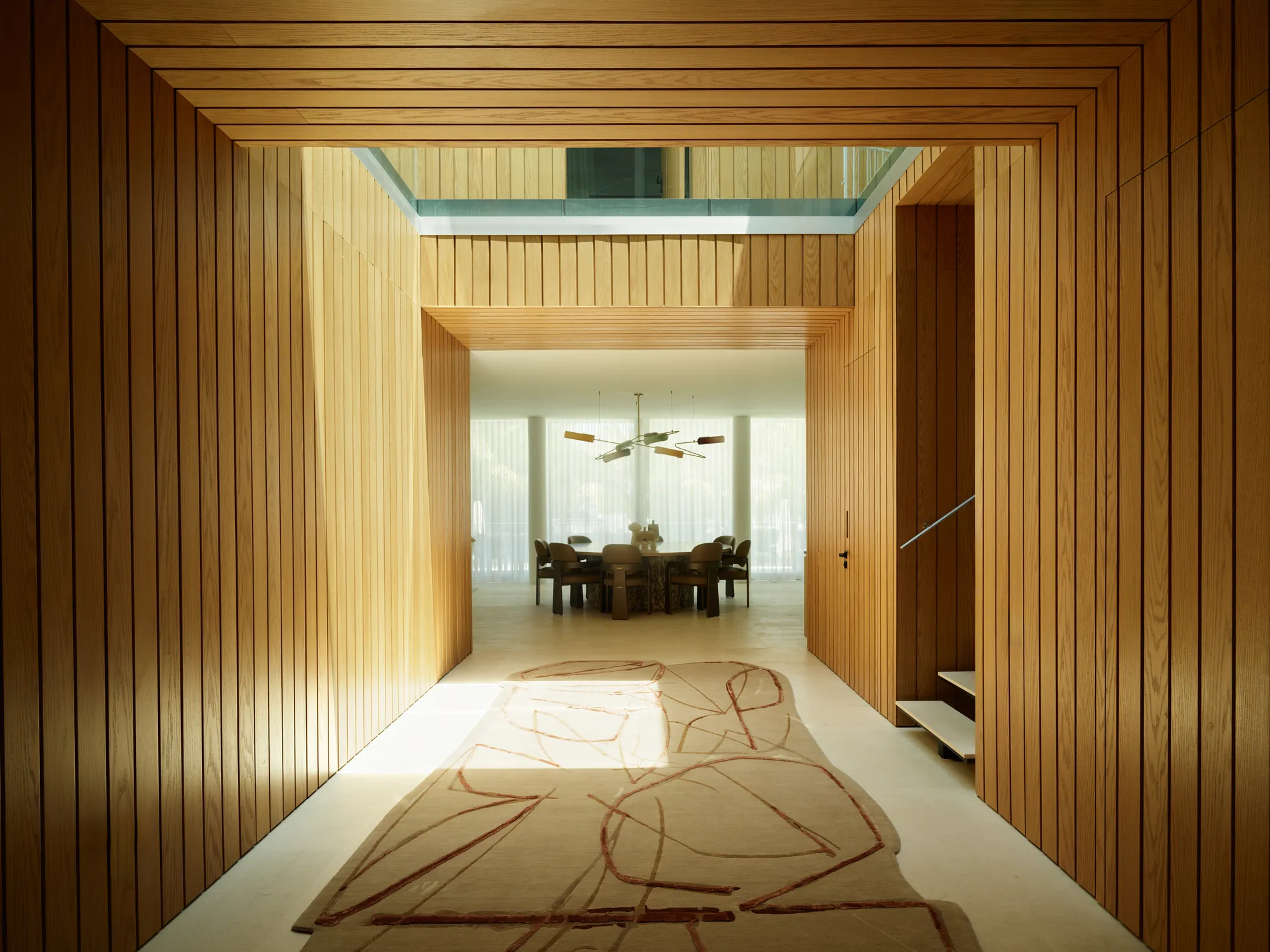
Warm minimalism: luxury without the cold
The branch of minimalism that keeps the calm and loses the chill. How material, light and texture turn a spare room into one you want to stay in.
Guides · Aug 4, 2026 · 6 min
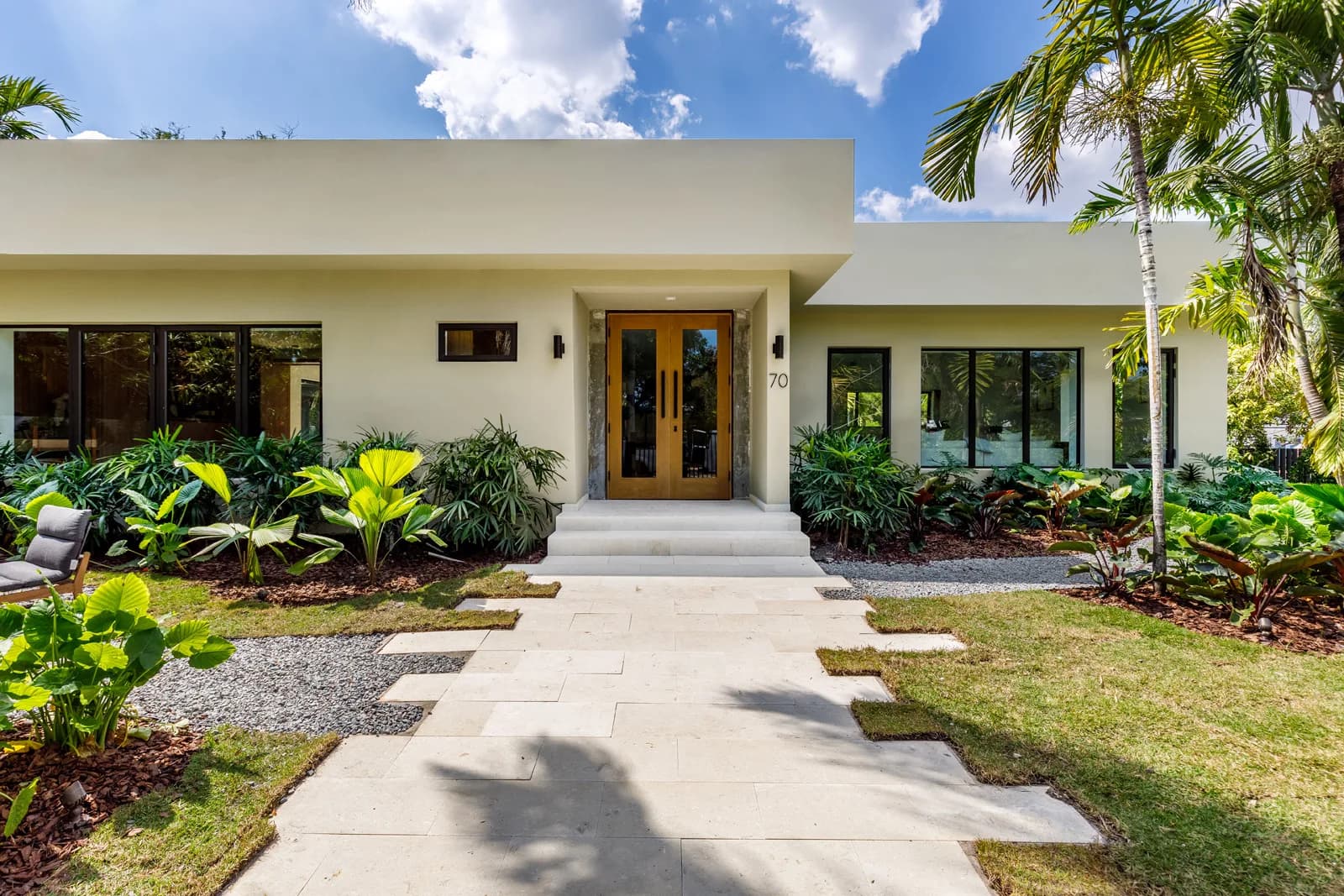
How to Build an Interior Moodboard That Holds Up
A mood board is easy to make and easy to trust too much. Here is how to build one that still matches the finished room once the site, the structure and the real materials are locked in.