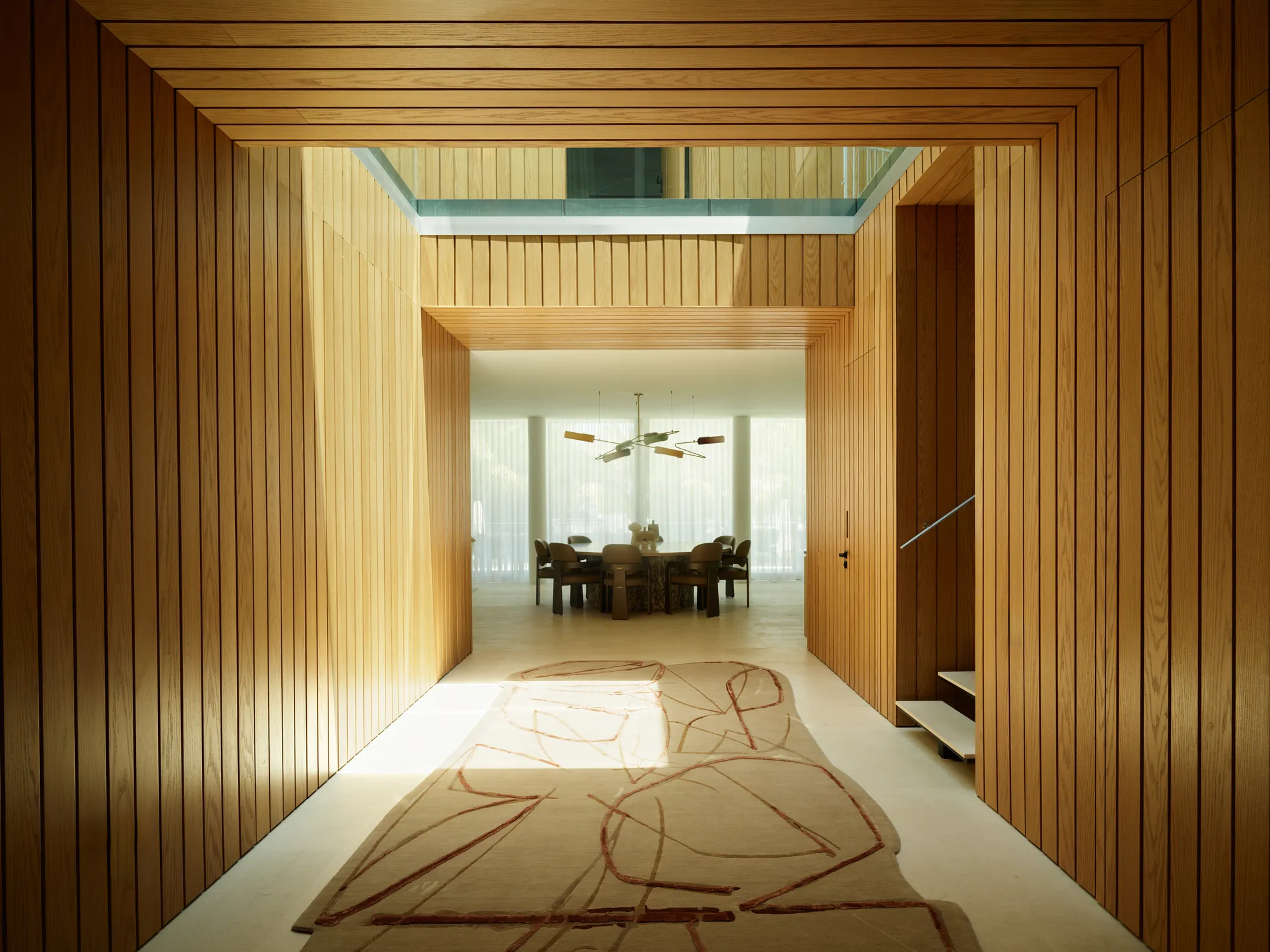
Warm minimalism: luxury without the cold
The branch of minimalism that keeps the calm and loses the chill. How material, light and texture turn a spare room into one you want to stay in.
Luxom Studio · LUXOM Developments
· 3 min read · Last reviewed
Key takeaways
- Warm minimalism keeps the discipline of minimalism, few elements and clean space, but warms it with natural material, texture and soft light so the room feels lived-in rather than austere.
- The difference from cold gallery minimalism is material, not layout. Oak, lime plaster, stone, wool and linen replace white walls and hard surfaces, so the same spare room reads inviting instead of clinical.
- Light does the emotional work. Layered, low, warm-toned lighting and daylight moving across textured surfaces give a nearly monochrome room depth without any color or pattern.
- Texture is what a warm minimalist room uses instead of decoration. Contrast between rough plaster, brushed wood and smooth stone keeps a restrained palette from ever feeling flat.
- Warm minimalism is the bridge into quiet luxury: both rely on honest materials and restraint, and a warm minimalist home ages into character rather than dating out of a trend.
Editor's note
Minimalism has an image problem. For years it meant a white room you were afraid to touch, all hard surfaces and empty space, beautiful in a photograph and cold to live in. That version earned its reputation. It reduced a home to its bones and forgot that a home is meant to be inhabited.
Warm minimalism is the correction. It keeps everything that made minimalism worth pursuing, the calm, the order, the absence of clutter, and adds back the one thing the cold version stripped out: warmth. Same discipline, opposite feeling. This is how the shift actually works, and why it leads straight into quiet luxury.
The problem with cold minimalism
Classic minimalism reduces a room to the essential, and at its best it is genuinely powerful. The trouble is the material vocabulary it usually reaches for: white walls, glass, polished concrete, high-gloss lacquer, bright even light. Those surfaces are hard and reflective, and they push the space toward the feeling of a gallery. The room looks resolved but reads as austere, a place to admire rather than occupy.
There is nothing wrong with the layout. A spare, uncluttered plan is a gift. The coldness comes almost entirely from the materials and the lighting, not from the emptiness itself. Which means the fix is not to add more stuff. It is to change what the empty room is made of.
Warmth is a material decision
Warm minimalism keeps the spare plan and swaps the palette. Honed stone instead of glossy tile. Oiled oak instead of white lacquer. Lime plaster or limewash instead of flat paint. Undyed wool and linen where a cold room would leave a bare surface. Unlacquered brass that patinas instead of chrome that stays hard. The room is just as disciplined, but every surface you touch or look at now has warmth and grain.
This is the whole move, and it is why the same restrained space can read as clinical or as inviting depending only on its materials. Designers like Vincent Van Duysen have built entire practices on it. Choose materials for how they feel and how they age, and restraint stops reading as lack and starts reading as luxury.
Let light and texture do the work
Take away color and pattern and two things have to carry the room: light and texture. Both are central to warm minimalism. The lighting is layered and low, warm in tone, closer to a film set than a showroom, so the space has depth and shadow rather than a flat wash of bright white. Cool, even ceiling light is precisely what makes a minimal room feel cold, and correcting it is often the single biggest change.
Texture is what the room uses instead of decoration. The quiet contrast between rough plaster and smooth stone, brushed wood and soft linen, gives the eye somewhere to rest and keeps a near-monochrome palette from ever going flat. Daylight moving across those surfaces through the day does the rest. It is a theme we keep returning to, including in Trends 2026.
The bridge to quiet luxury
Warm minimalism and quiet luxury are the same instinct seen from two angles. Warm minimalism is about the feeling, a spare room made warm and livable. Quiet luxury is about the value system underneath, honest materials and precise craft that read as expensive without shouting and hold their worth as the years pass. A warm minimalist home is almost always a quiet luxury one, because both refuse trends and both rely on materials that age into character.
That is the real reward. A room built this way does not chase a season, so it does not date when the season ends. It simply matures. If you want to follow the philosophy the whole way down, read quiet luxury, and see how we plan interiors around light, material and restraint on our projects page.
A navy sofa fits the same warm minimalist logic: see navy sofa styling ideas for how the room's existing material program, not the sofa's color, decides what goes around it.
Pull quote
Cold minimalism asks you to keep the room perfect. Warm minimalism asks you to live in it.
Filed under
Questions about warm minimalism interior design
01What is warm minimalism in interior design?
Warm minimalism is a branch of minimalism that keeps the discipline of restraint but trades the coldness for comfort. It holds to the core minimalist ideas, few elements, uncluttered surfaces, calm and open space, but it delivers them through natural materials and soft light rather than white walls and hard edges. Where classic minimalism can read as a gallery, warm minimalism reads as a home you want to sink into. The palette is quiet but never empty: oak underfoot, lime plaster on the walls, stone, wool and linen, lit warmly and layered with texture. The point is a room that feels serene and lived-in at the same time. Designers like Vincent Van Duysen are reference points for this warmer, more tactile approach. It sits right beside the material philosophy we describe in quiet luxury.
02How is warm minimalism different from cold or gallery minimalism?
The layout can be identical. The difference is what the room is made of. Cold, gallery-style minimalism leans on white walls, glass, polished concrete and hard, reflective surfaces, which reduce a space beautifully but can leave it feeling austere and unforgiving to live in. Warm minimalism keeps the same emptiness and order but builds it from tactile natural materials: honed stone instead of glossy tile, oiled oak instead of white lacquer, lime plaster instead of flat paint, undyed textiles instead of bare surfaces. It also warms the light, choosing low, layered, warm-toned illumination over bright even ceilings. The result is a room with the same discipline but a completely different feeling, calm rather than clinical. In practice, the test is simple: does the empty room invite you to stay or ask you to keep it pristine. We plan for the former across our projects.
03What role does light play in warm minimalism?
Light does most of the emotional work in a warm minimalist room, because there is little color or pattern to lean on. The approach is layered and low, closer to a film set than a showroom: pools of warm light rather than a flat grid of bright downlights, so the room has depth and shadow instead of uniform glare. Warm color temperature matters, since cool white light is what makes a spare room feel clinical in the first place. Daylight is treated as a material too, welcomed and shaped so it moves across textured plaster and wood through the day, giving the space life without a single decorative object. Get the light wrong and even a beautifully built warm minimalist room turns cold. Get it right and a nearly monochrome space feels rich. It is a theme we return to in Trends 2026.
04Which materials and textures define warm minimalism?
The palette is short, natural and chosen for how it feels as much as how it looks. Solid or oiled wood, usually oak, for floors and joinery. Lime plaster or limewash on the walls, so light settles into the surface. Honed natural stone for counters, thresholds and basins. Undyed wool, linen and cotton for softness. Unlacquered brass or bronze that patinas over time. What holds this restrained palette together is texture and contrast: rough plaster against smooth stone, brushed wood against soft linen. That interplay is what a warm minimalist room uses instead of decoration, and it is why the space never reads as flat despite having almost no color. Choose materials that age into character rather than out of fashion, and the restraint reads as luxury rather than lack. The same logic runs through our interior design service.
05Is warm minimalism the same as quiet luxury?
They are close relatives and often overlap, but they answer slightly different questions. Warm minimalism is primarily about a feeling: taking the spare, ordered minimalist room and making it warm and livable through material, texture and light. Quiet luxury is primarily about a value system: building with honest, high-quality materials and precise craft so the home reads as expensive without announcing it and holds its worth over time. In practice a warm minimalist interior is usually also a quiet luxury one, because both reject trend signals and both rely on natural materials that improve with age. You can think of warm minimalism as the aesthetic and quiet luxury as the philosophy and the economics behind it. We unpack that fuller argument in quiet luxury, and you can see both applied on our projects page.
Explore the portfolio
Projects to see


Talk to the studio
If this belongs in your home, our studio will draw the plan.
Initial conversation, 30 minutes. We listen to the brief and respond with a scoped proposal within five working days. You can also read the services page for typical timelines and fees.
Written by Luxom Studio · LUXOM Developments
The design and development studio behind LUXOM residences in Coconut Grove, Miami
Keep reading
From the journal
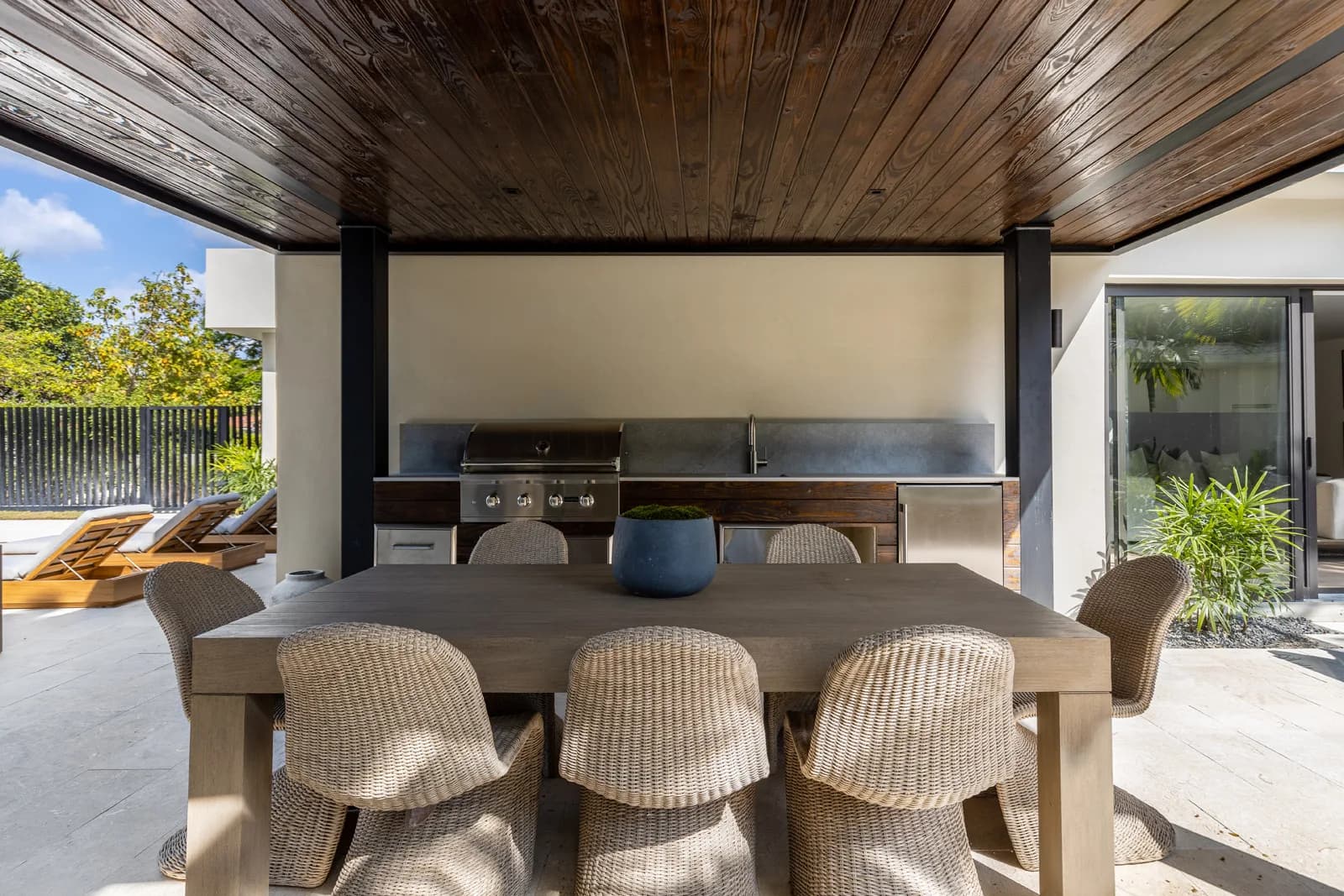
Interiors · Oct 8, 2026 · 5 min
Four Outdoor Kitchen Types, and Why the Roof Comes First
A grill island, a pizza oven, a full kitchen or a bar kitchen. What each outdoor kitchen is for, what it needs to survive Miami weather, and why a covered one is the kind that cooks all year.
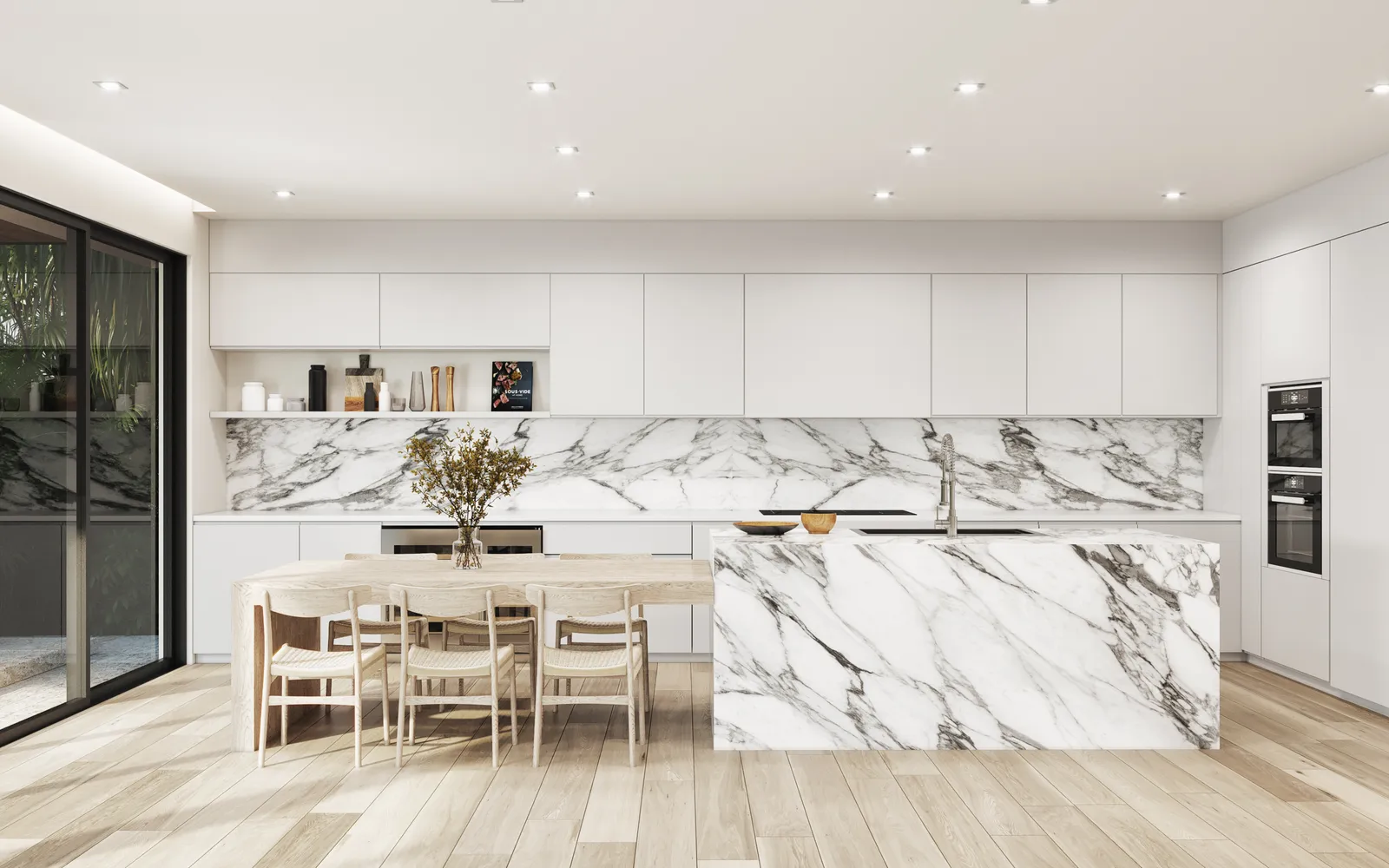
Interiors · Oct 8, 2026 · 6 min
Kitchen Backsplash Guide: Full Slab, Subway, Zellige, Mirror or None
Five ways to finish the wall behind the counter, from a full stone slab to no backsplash at all. What each one asks in seams, cleaning and planning, and when none is the right answer.
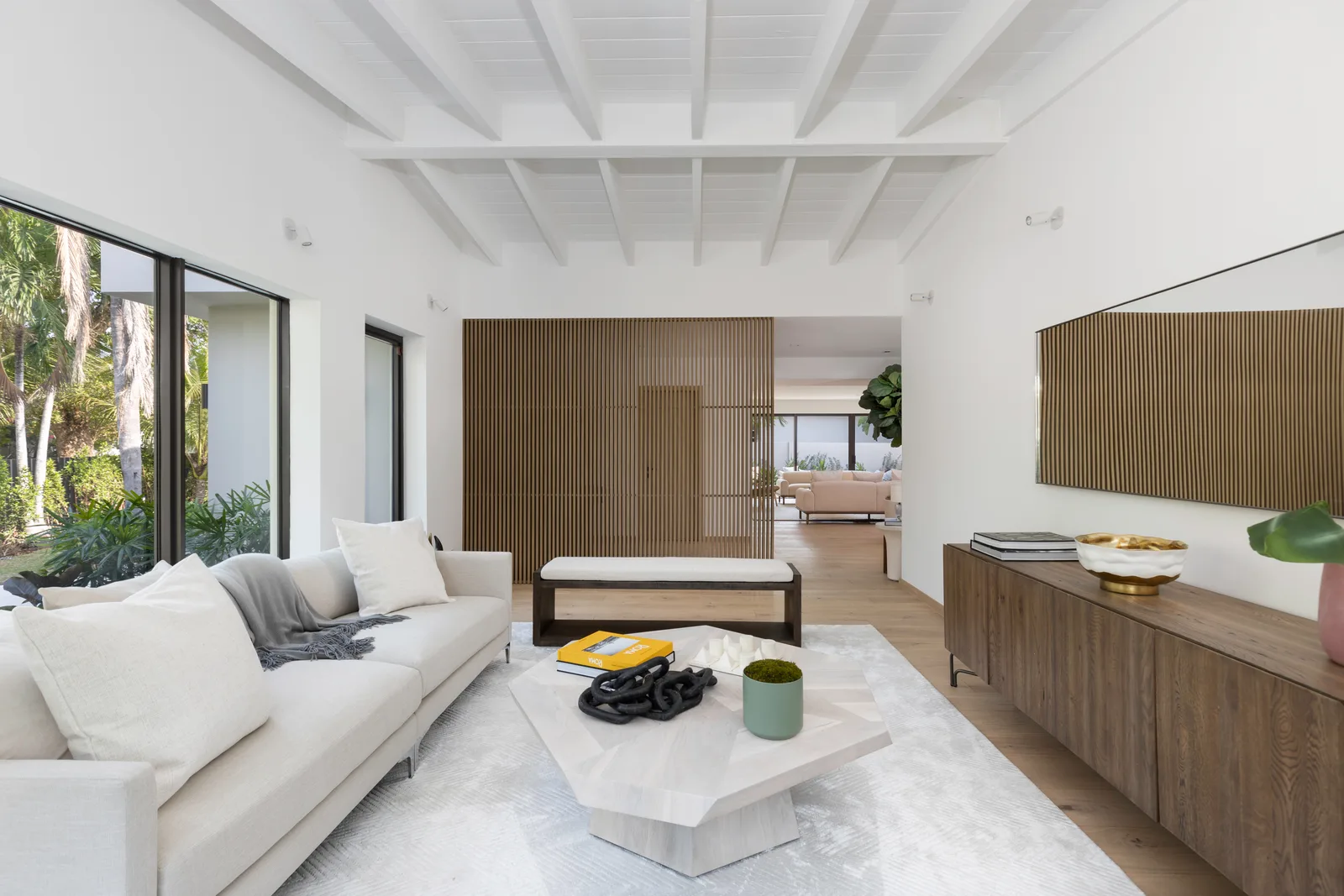
Interiors · Oct 8, 2026 · 7 min
Ten Interior Design Styles, and How to Ask for Each One
Ten interior styles, from modern and Japandi to coastal and warm tropical modern: what defines each one, where it goes wrong, and the words to use when you brief a designer.