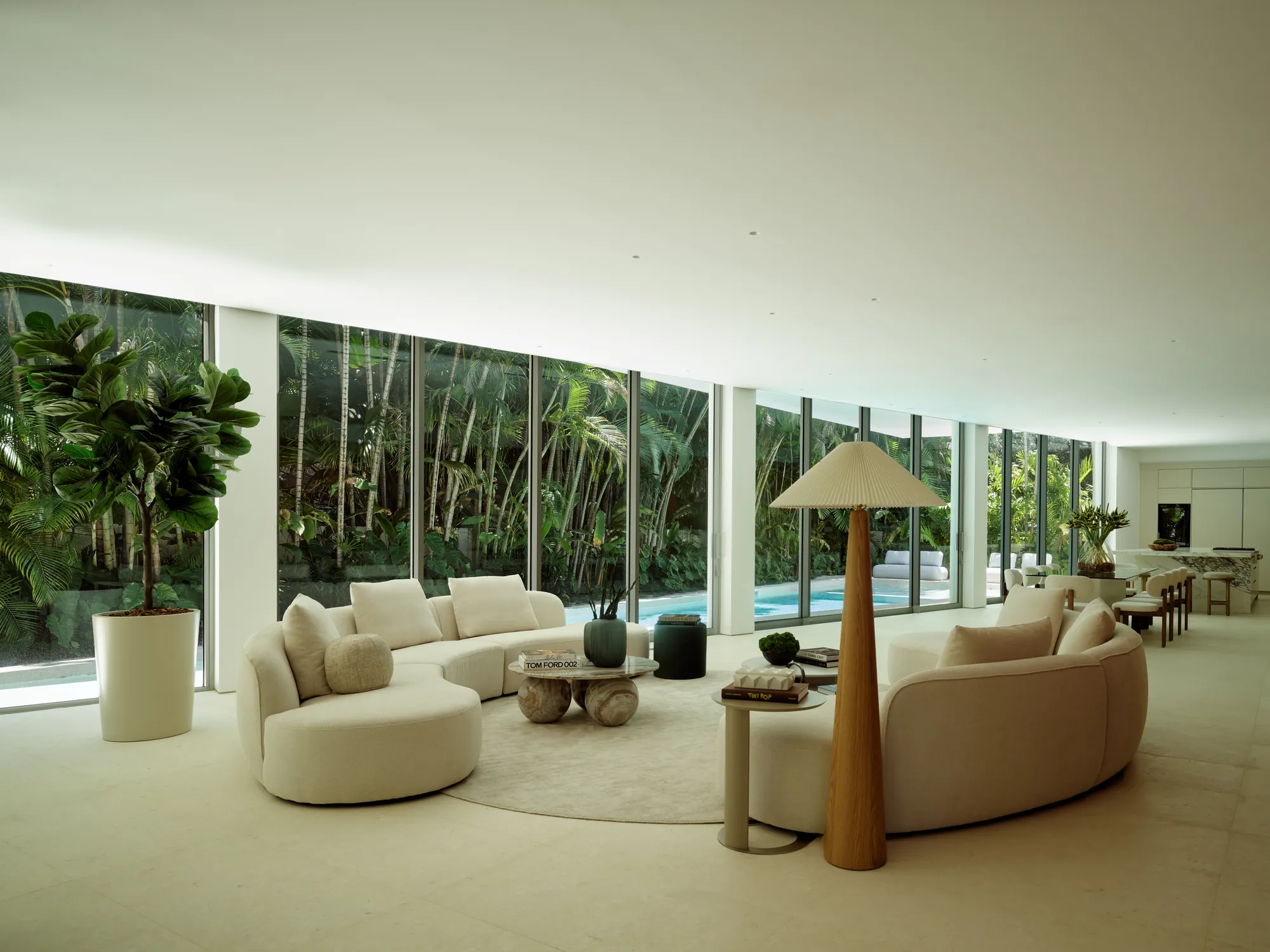
Modern luxury interior design: defining the language
Modern luxury is one of the most used and least defined phrases in interiors. What the language actually is, the principles behind it, and how it differs from the version sold in showrooms.
Luxom Studio · LUXOM Developments
· 4 min read · Last reviewed
Key takeaways
- Modern luxury interior design is a language of restraint and material quality, not of expensive-looking ornament. It reads as luxurious because it is well built and well proportioned, not because it displays wealth.
- The core principles are clean lines and open space, a warm and disciplined material palette, layered natural and artificial light, and craft precise enough that fewer elements can carry a room.
- It differs from the showroom version of luxury, which relies on gloss, gold and spectacle. True modern luxury is quieter, warmer and more tactile, closer to quiet luxury and warm minimalism than to opulence.
- The through-line is intention: every surface, joint and light is a considered decision, and nothing is present only to look costly. Restraint, not accumulation, is what signals quality.
- Because it is built on honest materials and timeless proportion rather than trends, a modern luxury interior ages into value instead of dating, holding its appeal and its worth over decades.
Editor's note
Modern luxury is one of the most used phrases in interiors and one of the least defined. It gets attached to anything sleek and costly, from a glass tower penthouse to a showroom full of gloss and gold. Used that loosely, it means nothing. Used precisely, it describes something specific and worth building: a room that reads as luxurious because of how it is made, not what it displays.
This piece defines the language, and in doing so it reinforces a pillar we return to often, the belief that quiet, honest, well-made restraint is the truest form of modern luxury. It is a close relative of our writing on quiet luxury and warm minimalism, and it shares their conviction that less, done properly, is worth more.
Luxury is a quality of decision, not a price tag
The showroom version of luxury is easy to recognize and easy to buy: gloss, gold, marble everywhere, furniture chosen to look expensive. It signals wealth loudly. Modern luxury does the opposite. It reads as luxurious because every decision behind it was considered, and because the materials and craft are genuinely excellent, not because anything is trying to prove its cost.
That shift, from displaying wealth to demonstrating quality, is the core of the language. The eye registers a modern luxury room as rich before it can say why, because there is nothing loud to distract from the material, the proportion and the light. What it is registering is intention. Every surface is there on purpose and made well.
The principles that define the language
Four principles carry modern luxury. First, clean lines and open space, the modernist inheritance, so the architecture breathes. Second, a warm and disciplined material palette of stone, wood, plaster and honest metal, chosen for touch and longevity rather than shine. Third, light treated as a material in its own right, layered and low, closer to a film set than a showroom. Fourth, craft precise enough that fewer elements can carry the room, because restraint only works when every joint and transition is right.
Hold those four together and the language is coherent. Drop one, and it slips: without craft it looks cheap, without warmth it looks cold, without light it looks flat, without discipline it looks busy. The luxury lives in all four being present at once.
Pull quote
The showroom sells luxury as something you can see across a room. We build it as something you only understand once you touch it.
What it is not
Defining modern luxury means saying what it excludes. It is not the maximalist opulence of gold, gloss and ornament. It is not the cold, hard minimalism of all-white austerity. And it is not the trend-chasing interior built for a photograph, wearing a season's colors that will date the moment the season turns. Each of those is sometimes sold as luxury, and each misses the point.
Modern luxury sits between the extremes: warmer than strict minimalism, quieter than opulence, more permanent than trend. It is closest to quiet luxury and warm minimalism, which is why we treat those as part of the same family. For the philosophy pushed to its purest form, read quiet luxury; for the warmer, more tactile branch, warm minimalism.
Why the language ages into value
There is a practical reward for building in this language. Because modern luxury rests on honest materials and timeless proportion rather than trends, it ages slowly and holds its appeal. A room built from real stone, plaster, wood and good light does not announce the year it was finished, so it does not feel old the moment that year passes. For an owner that means a home still reads as considered a decade on. For value it means an interior that supports the price rather than dating against it.
This is the same argument we make across the studio: quality that is built in, not layered on, is the only luxury that lasts. You can see how it holds up in practice across our projects page.
Speaking the language in your own home
Building modern luxury starts with subtraction and investment in the right places. Decide what each room is for, remove what does not serve it, and spend the budget on the surfaces you touch and the light you live under rather than on ornament. Insist on real materials, give the craft the time it needs, and leave negative space, which reads as confidence. The result is a home that feels calm and considered the moment you enter it.
If that sounds simple, it is the most demanding brief we take, because restraint leaves nowhere to hide. Our interior design service walks through how we plan and build it, and you can start a conversation any time through the contact page.
Pull quote
Modern luxury is not what you add to a room to make it look expensive. It is what you have the discipline to leave out.
Filed under
Questions about modern luxury interior design
01What is modern luxury interior design?
Modern luxury interior design is an approach built on restraint, material quality and precise craft rather than on ornament or overt displays of wealth. It combines the clean lines and open space of modernism with a warm, tactile palette of natural materials, and it reads as luxurious because it is genuinely well made and well proportioned, not because it signals status. Think hand-finished plaster, real stone, solid wood and honest metals, arranged with enough discipline that a room feels calm and considered rather than busy. It sits close to quiet luxury and warm minimalism, sharing their belief that fewer, better elements outperform more. The distinction from older ideas of luxury is warmth and honesty over gloss and spectacle. For the closely related philosophy, see quiet luxury, and our interior design service explains how we build it.
02What is the difference between modern and modern luxury interior design?
Modern interior design describes the aesthetic: clean lines, open plans, functional forms and an uncluttered palette rooted in modernism. Modern luxury takes that same aesthetic and raises the level of material, craft and intention behind it. Where a modern room might use good, standard finishes, a modern luxury room uses genuine stone, hand-applied plaster, bespoke joinery and considered lighting, executed with precision that makes restraint feel rich rather than bare. In other words, modern is the language and modern luxury is that language spoken with the finest materials and the most exacting craft. The look can appear similar in a photograph, but the difference is felt in person, in the weight of a door, the honesty of a surface, the quality of the light. This is the same logic behind warm minimalism, which softens modern discipline with material warmth.
03What materials define modern luxury interiors?
Modern luxury runs on a short, honest palette of natural materials chosen to age well. Hand-applied plaster or limewash on walls, so light settles into the surface. Natural stone such as travertine, limestone and marble, used as architecture rather than thin veneer. Solid or quartersawn wood, brushed and oiled instead of heavily lacquered. Honest metals like unlacquered brass and bronze that develop a patina. Undyed wool, linen and other tactile textiles for softness. What unites them is that they read as luxurious through quality and touch rather than shine, and they improve with time instead of dating. The rule is to choose materials that will look better in a decade and avoid imitations that reveal themselves within a few years. You can see this material logic across our built work on the projects page.
04How do you make a modern interior feel luxurious without clutter?
Make a modern interior feel luxurious by investing in fewer, better elements and letting them breathe, rather than filling the room. Luxury in the modern language comes from material quality, precise craft, generous proportion and layered light, not from accumulation. Spend on the surfaces you touch and the light you live under: real stone, hand-finished walls, exact joinery, and lighting designed in layers rather than a grid of downlights. Then leave negative space, which reads as confidence and lets each material register. A single considered gesture, a stone basin, a plaster wall, a well-made door, carries more luxury than a room full of costly objects. Restraint is the hardest part to execute, because with fewer elements every joint and transition has to be right. For the fuller case, read quiet luxury, or reach us via the contact page.
05Is modern luxury interior design the same as quiet luxury?
They are closely related and often overlap, but they are not identical. Modern luxury describes a broad language: modernist lines and open space raised by fine materials, precise craft and considered light. Quiet luxury is a philosophy within that language, one that pushes restraint to its purest form, removing anything that announces itself so the quality is felt rather than seen. In practice most quiet luxury interiors are also modern luxury interiors, but modern luxury can hold a little more warmth, texture or gesture than the strictest quiet luxury allows. Both reject gloss, logos and spectacle in favor of honest material and calm proportion, and both are built to age into value rather than out of fashion. For the philosophy in depth, see quiet luxury and its warmer relative warm minimalism.
Explore the portfolio
Projects to see


Talk to the studio
If this belongs in your home, our studio will draw the plan.
Initial conversation, 30 minutes. We listen to the brief and respond with a scoped proposal within five working days. You can also read the services page for typical timelines and fees.
Written by Luxom Studio · LUXOM Developments
The design and development studio behind LUXOM residences in Coconut Grove, Miami
Keep reading
From the journal
Interiors · Oct 2, 2026 · 4 min
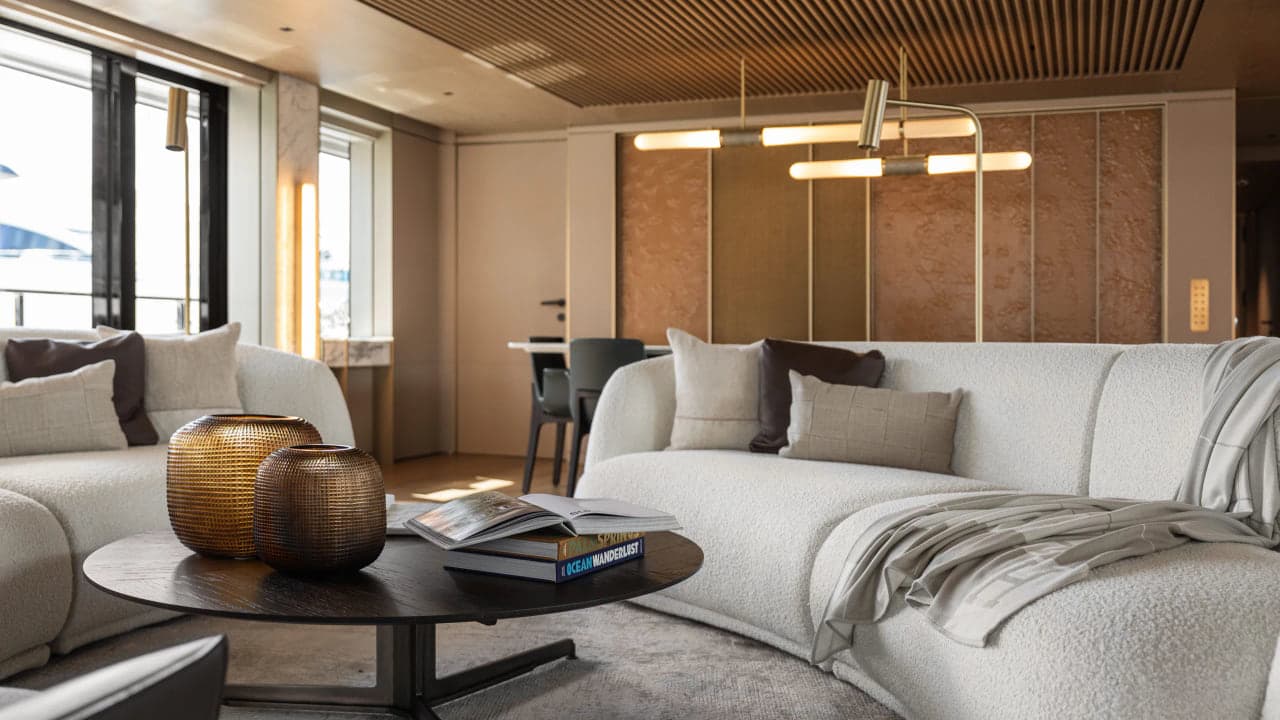
Navy Sofa Styling Ideas: Material Before Color
Every guide hands you five or six color schemes to choose between. The decision that actually matters is the stone, wood and metal already built into the room, chosen before the sofa.
Interiors · Oct 2, 2026 · 7 min
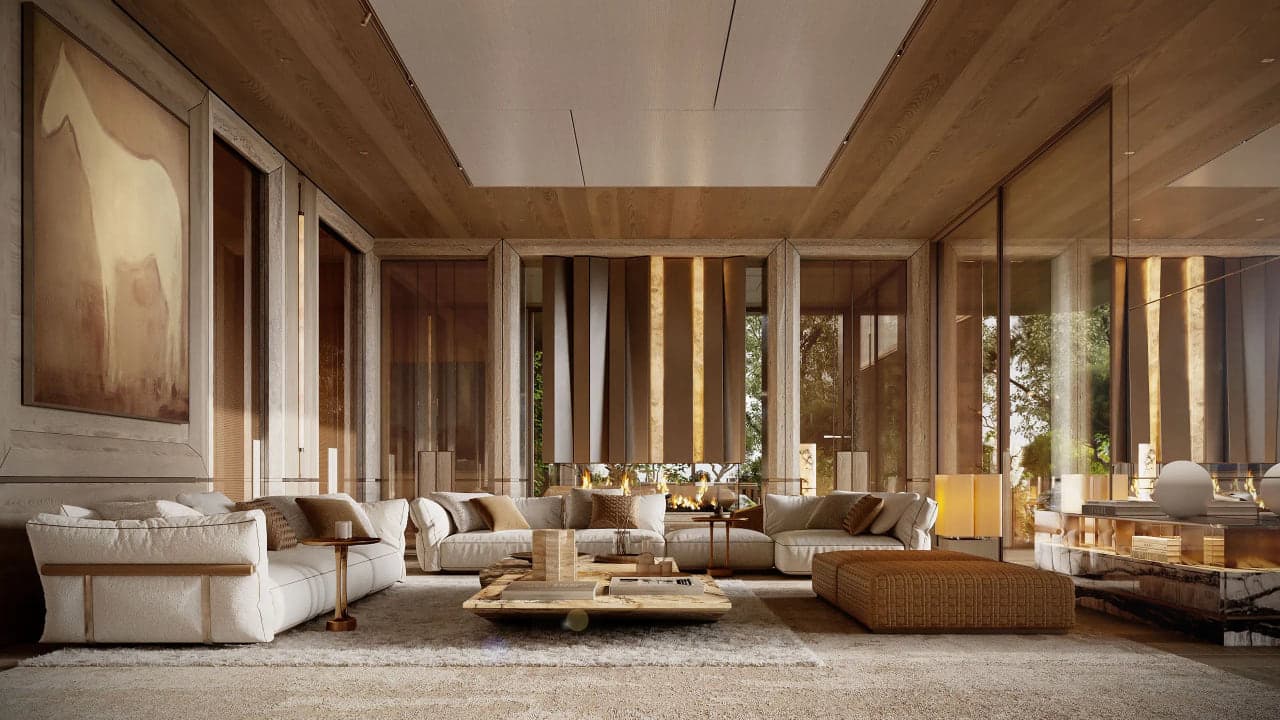
Interior Designer Miami FL: How to Vet One Before You Hire
Miami's interior designer listings sort firms by budget, style and awards. None of them show who decides the wall, the window height or the zoning limit before a single finish gets chosen. Here is how to look past the directory.
Interiors · Sep 13, 2026 · 5 min
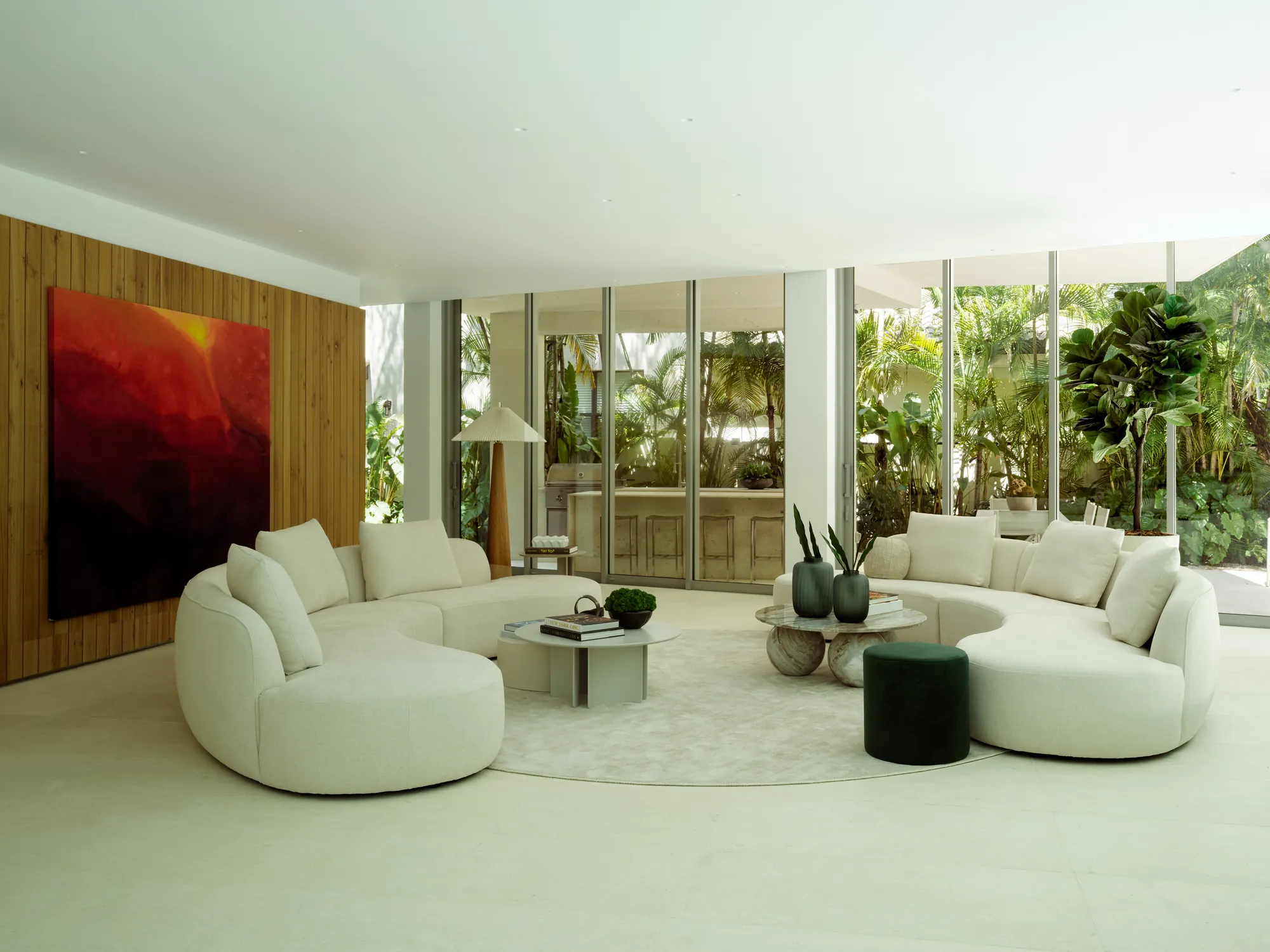
Your rug should not match your furniture. It should talk to it.
The generic advice says find one matching thread. What that actually looks like in a finished Luxom room is a planned material conversation, not a matched fabric swatch.