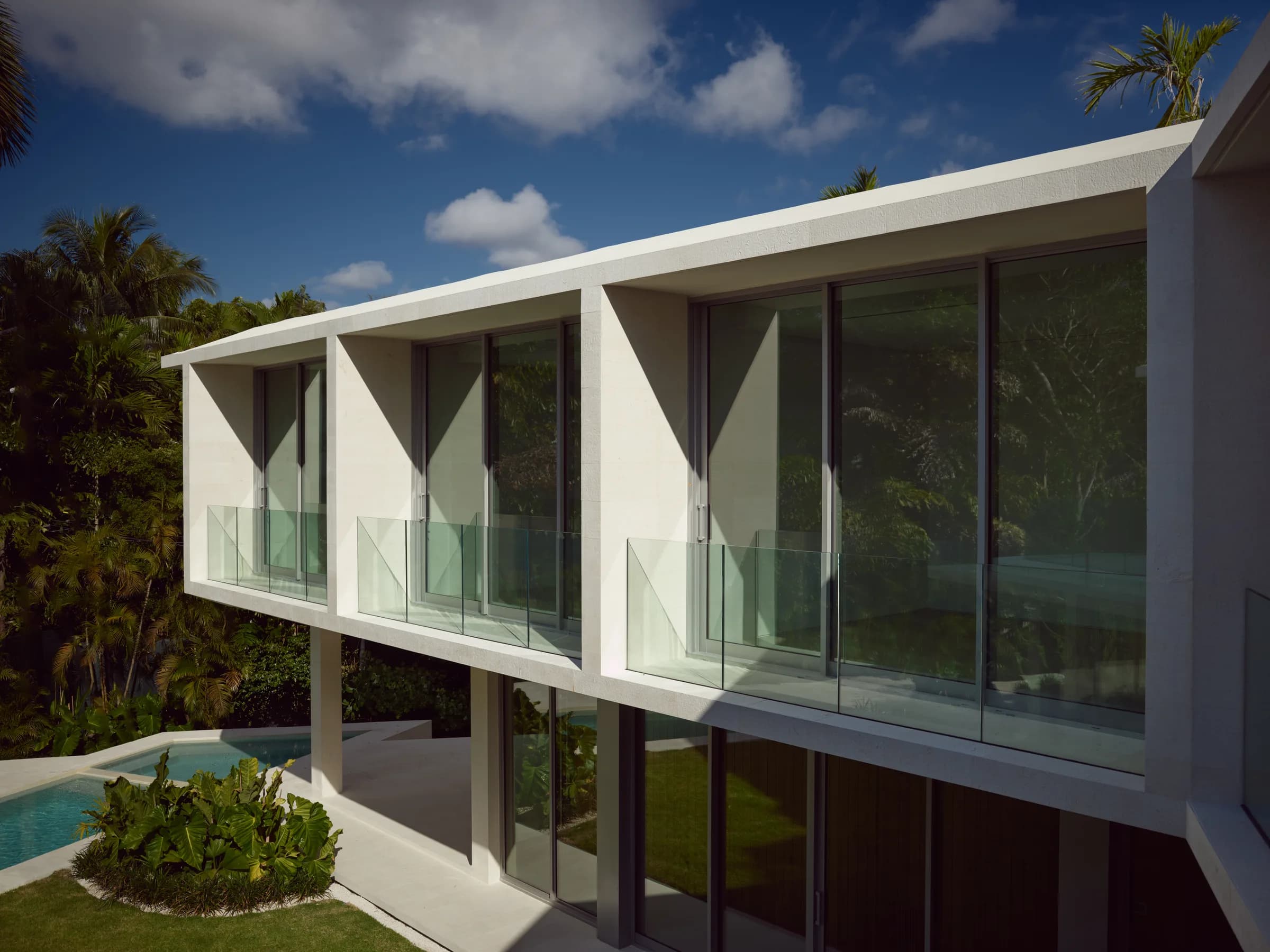
How to choose an architecture firm in Miami
The criteria that separate a residential architect who fits your project from one who does not. Portfolio, permitting, delivery model, and the red flags to catch early.
Luxom Studio · LUXOM Developments
· 4 min read · Last reviewed
Key takeaways
- Choose an architecture firm in Miami by portfolio fit first: a studio that has built homes close to yours in style, scale and budget will design and deliver yours faster and with fewer surprises.
- Local knowledge is not optional in Miami. Zoning, flood elevation, wind-load code and coastal review shape the design, so a firm fluent in local permitting protects your timeline and budget.
- Decide between architect-only and design-build early. A design-build or integrated studio carries one team from drawings through construction, which reduces gaps between design intent and what gets built.
- Credentials matter but are the floor, not the ceiling. Verify Florida licensure, then judge the firm on built work, references and how clearly they communicate.
- The clearest red flags are vague fees, no comparable built projects, poor responsiveness during courtship, and reluctance to name the team who will actually run your project.
Editor's note
Choosing an architect is the most consequential decision in building a home, and in Miami it is also one of the most constrained. Flood elevation, wind-load code, coastal review and zoning all press on the design before a single wall is drawn. The right firm turns those constraints into architecture. The wrong one discovers them in permitting, months and dollars too late.
This is a practical guide to making that decision well: what to weigh, in what order, and the warning signs worth catching early. It is written for the owner of a custom or high-end home who wants a residence that is beautiful, buildable, and delivered without avoidable pain.
Start with portfolio fit, not fame
The most reliable predictor of a good outcome is simple: has this firm already built a home like yours. Close in style, close in scale, close in budget. A studio that has solved your kind of project has also solved the hundred small problems it hides, from how a given roof form meets the code to how a material behaves in this climate. That experience shows up as fewer surprises, tighter drawings and a faster path through approvals.
Fame is a weaker signal. A celebrated firm can be an excellent choice, but a marquee name is no guarantee that the senior people will touch your project or that your modest, specific home is where their attention goes. Judge on built work that resembles your ambition, and let the portfolio, not the reputation, lead.
Local knowledge is a design input in Miami
Elsewhere, local code is a formality handled late. In Miami it shapes the concept. Much of the residential land sits in flood zones that set the finished-floor elevation and change how the ground level can be used. The wind-load code governs structure and openings. Coastal setbacks, tree ordinances and district review, including parts of Coconut Grove, can redraw a scheme entirely.
A firm that works here every week designs with those facts from the first sketch, so the concept you fall in love with is the one that gets permitted. A studio parachuting in from elsewhere can produce something beautiful that then collides with local reality and has to be reworked. Ask each firm to walk you through how they handled elevation and permitting on a recent nearby home. The specificity of the answer tells you most of what you need.
Decide the delivery model early
There are two broad ways to build. In the architect-only model, one firm designs and another builds, and you coordinate the handoff. In the integrated or design-build model, a single team carries the project from concept through construction. Each has a logic. Separation gives you independent checks between design and construction. Integration closes the gaps where intent gets lost in handoff and gives you one point of responsibility for both budget and result.
For a high-end custom home, many owners prefer the integrated route precisely because the people who drew the detail stay accountable for how it is built. It is the model we work in, and we describe it in full on the services page. Whichever you choose, decide it early, because it changes who you are hiring and what you are asking them to own.
Verify the credentials, then judge the humans
Every architect of record on your project must hold a current Florida license, which you can confirm through the state board, and carry professional liability insurance. Membership in bodies like the American Institute of Architects is a reasonable signal of professional standards. But treat all of this as the floor. Licensure keeps you safe. It does not make a home good.
What makes a home good is the built record and the people. Ask to visit or verify completed projects, speak to owners from the last few years, and insist on knowing exactly who will lead your job day to day. A firm's brochure is the senior partner. Your project might be run by someone you never met in the pitch, so meet them before you sign.
Read the courtship, then talk to us
The best predictor of how a firm will treat you as a client is how it treats you as a prospect. Clear fees, prompt replies, honest answers about budget and permitting, willingness to name the team: these are not just courtesies, they are a preview. The red flags are the mirror image, vague pricing, no comparable built work, slow responses, and reluctance to say who actually does the work. Their presence reliably predicts a hard project.
If you want a single, transparent team that designs and delivers your Miami home, that is exactly how we are built. See how we work on the services page, look through what we have completed on projects, and when you are ready to talk through your own home, reach us through the contact page.
If you landed here from a plain "architects near me" search, our guide architects close to me: what proximity does not tell you walks through the one filter a distance-sorted directory never applies.
Pull quote
The right architect for your home is rarely the most famous one. It is the one who has already solved a project like yours and can prove it.
Filed under
Questions about architects miami
01How do I choose an architecture firm in Miami?
Start with portfolio fit, then local competence, then the working relationship. Look for a firm with built homes close to yours in style, scale and budget, because a studio that has solved your kind of project will move faster and surprise you less. Confirm they know Miami: zoning, flood elevation, wind-load requirements and any coastal or historic review that applies to your lot. Decide whether you want an architect-only firm or an integrated design-build studio that carries the project through construction. Then verify Florida licensure through the state board, check references from recent clients, and pay attention to how clearly and quickly they communicate while they are still courting you. That courtship behavior usually previews the whole engagement. If you want a single team from design through delivery, our services explain how we work, and our contact page is the place to start.
02How important is local knowledge when hiring a Miami architect?
In Miami it is decisive, not a nice-to-have. The region's building code addresses high wind loads, and much of the residential land sits in flood zones that dictate finished-floor elevation, foundation strategy and even how the ground level can be used. Coastal setbacks, tree ordinances, historic districts like parts of Coconut Grove, and municipal design review can all shape a project before the first sketch. A firm that works here every week knows how to design with those constraints from the start, so the concept survives permitting instead of being redrawn after it. An out-of-town studio can produce a beautiful scheme that then collides with local reality, costing months. Ask any firm you interview to walk you through how they have handled elevation and permitting on a recent home nearby. Our built work in Coconut Grove reflects exactly this kind of local fluency.
03Should I hire an architect-only firm or a design-build studio?
It depends on how much of the process you want to coordinate yourself. An architect-only firm designs the home and produces the drawings, and you then hire a separate general contractor to build it, keeping design and construction as independent checks. A design-build or integrated studio carries one team from concept through construction, so the people who drew the detail are accountable for how it gets built. The integrated model tends to reduce the gaps where design intent gets lost in handoff, tightens the budget and timeline conversation, and gives you a single point of responsibility. The tradeoff is that you are placing more trust in one firm, so their track record matters even more. Many high-end Miami homeowners prefer the turnkey route for exactly that reason. We describe our own integrated approach on the services page, and you can start a conversation through contact.
04What credentials should a Miami architecture firm have?
At minimum, the architect of record must hold a current Florida license, which you can verify through the state board of architecture, and carry professional liability insurance. Membership in the American Institute of Architects signals a commitment to professional standards, though it is not required to practice. Beyond the paperwork, the credentials that actually predict a good outcome are built ones: completed homes of comparable scope, a portfolio you can visit or verify, and references from owners of recent projects. Ask who specifically will lead your project and what their experience is, because a firm's reputation is only useful if the senior people are the ones on your job. Licensure is the floor you should never go below, but built work and clear communication are what separate a safe hire from a great one. See how we present our own record on the projects page.
05What are the red flags when hiring a residential architect in Miami?
Watch for four in particular. First, vague or shifting fees: a firm that cannot explain how it charges, or resists putting scope in writing, will be harder to manage later. Second, no comparable built work: renders and competition entries are not the same as finished homes at your scale in this climate. Third, weak responsiveness during courtship, because the attention you get while they are winning your business is usually the best it will ever be. Fourth, reluctance to name the actual team who will run your project, which often means the senior name is a door opener and juniors do the work. Add to that any dismissiveness about permitting, budget or your own priorities. The absence of these signals will not guarantee a great project, but their presence reliably predicts a difficult one. If you want a transparent, single-team alternative, reach us through contact.
Explore the portfolio
Projects to see


Talk to the studio
If this belongs in your home, our studio will draw the plan.
Initial conversation, 30 minutes. We listen to the brief and respond with a scoped proposal within five working days. You can also read the services page for typical timelines and fees.
Written by Luxom Studio · LUXOM Developments
The design and development studio behind LUXOM residences in Coconut Grove, Miami
Keep reading
From the journal
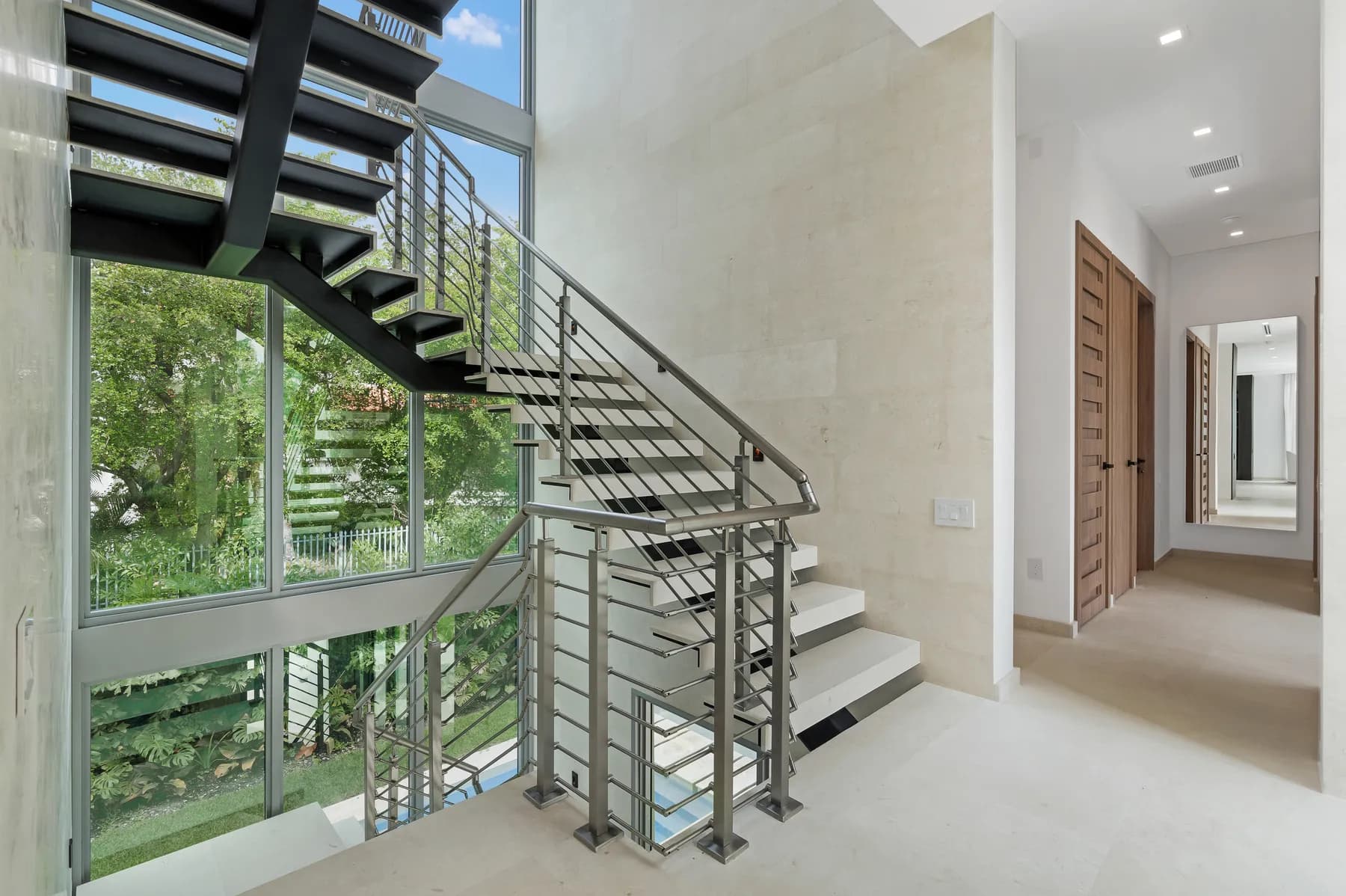
Architecture · Oct 8, 2026 · 6 min
Staircase Railings: Five Types, and the Code That Comes First
Glass, cable, picket, solid and wrought iron. How each railing type works, what residential code asks of all of them, and how to make the one you choose disappear into the staircase.
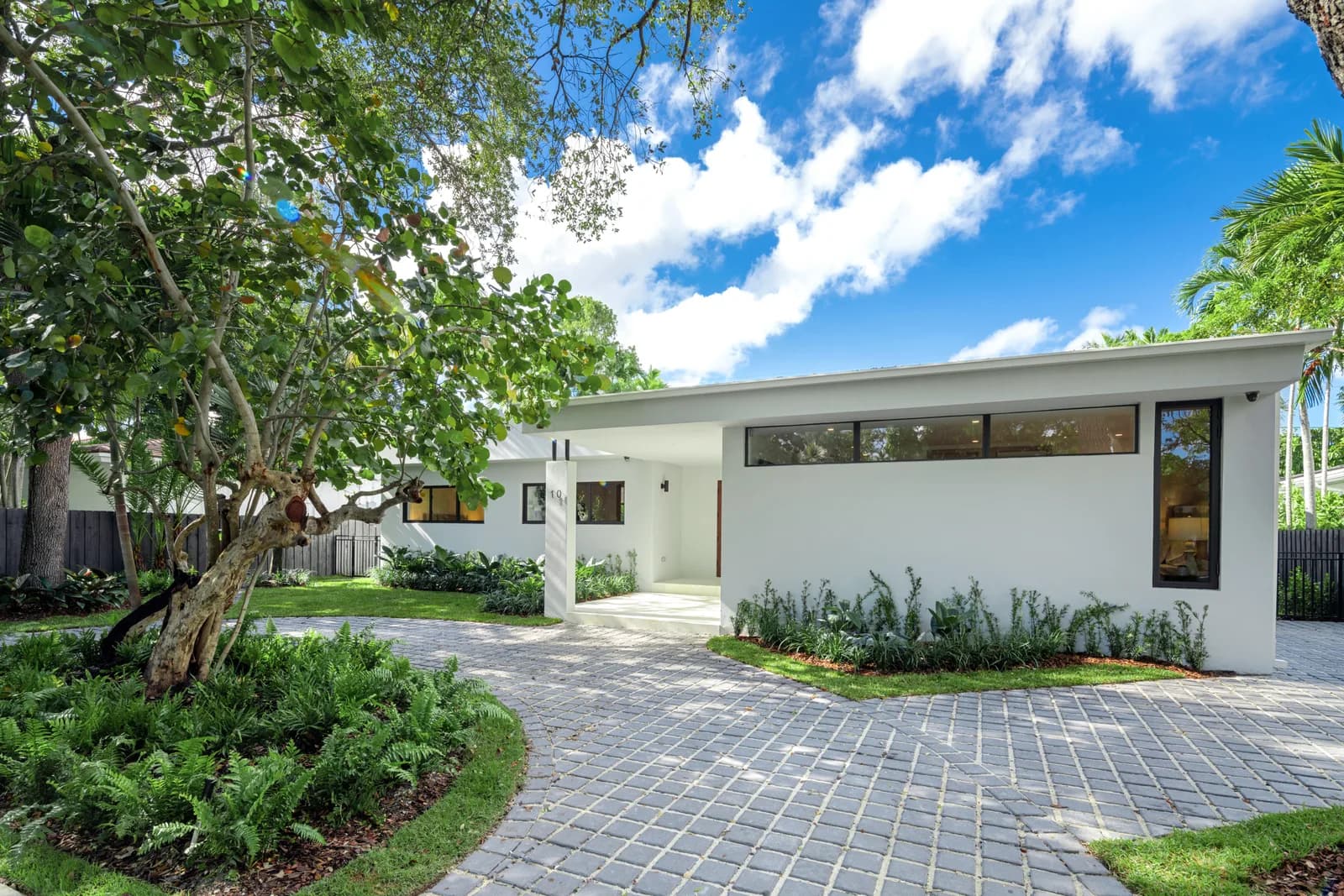
Architecture · Oct 8, 2026 · 6 min
Six Roof Types and the House Each One Builds From the Street
Flat, butterfly, gable, hip, shed and mansard. What each roofline says about a house, how it handles Miami rain and wind, and why the roof is the one decision finishes cannot hide.

Architecture · Oct 8, 2026 · 5 min
Five Garden Styles, and What Each One Costs You Every Month
Tropical, xeriscape, formal, native and Japanese gardens, read as maintenance schedules. Which ones keep billing you in Miami, and the planting that costs close to nothing once it is established.