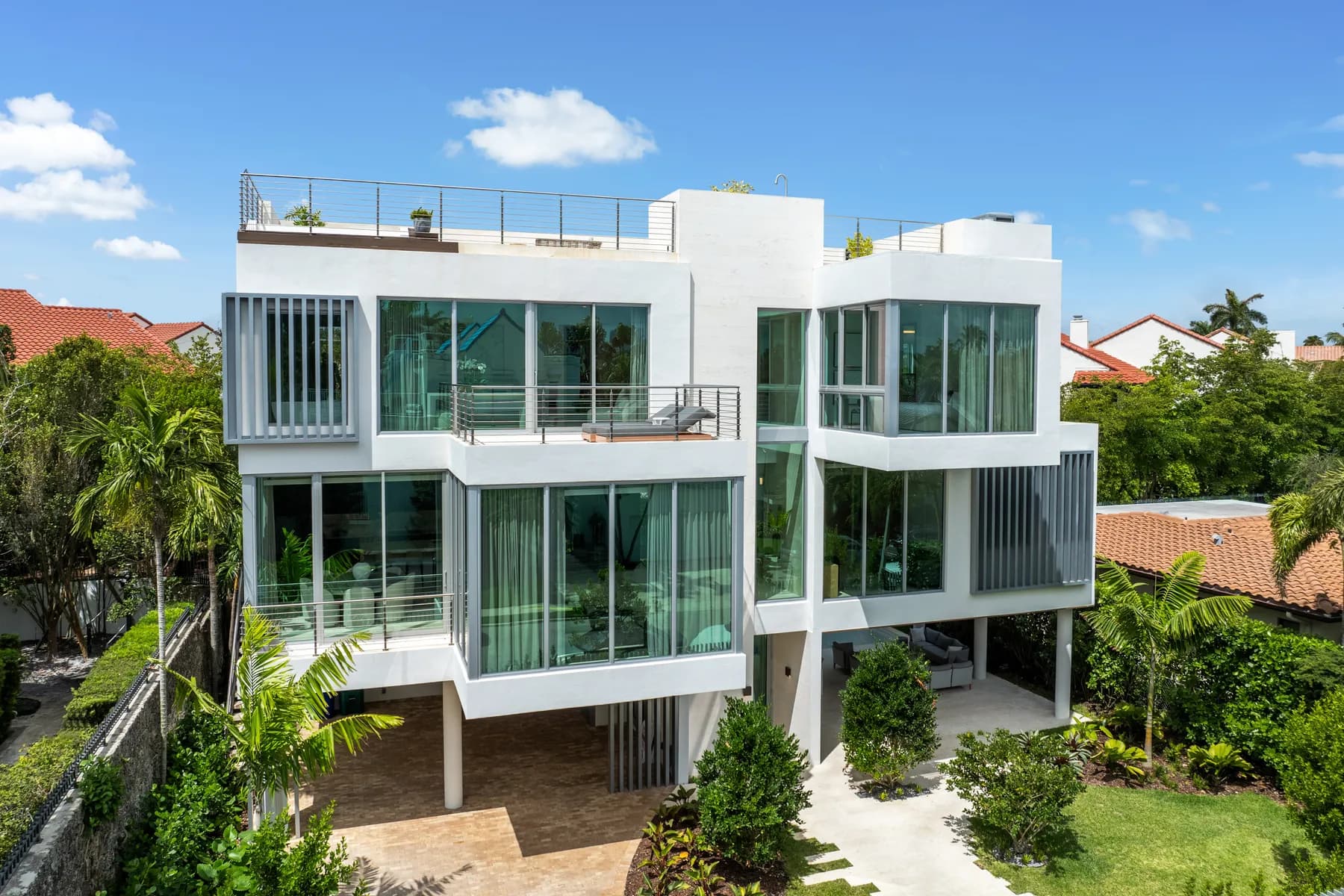
Decorated Buys Objects. Designed Buys Decisions.
A decorator styles the room you already have. A designer decides the proportion, light and layout before that room exists, and only one of those choices still holds up ten years later.
Luxom Studio · LUXOM Developments
· 5 min read · Last reviewed
Key takeaways
- Interior designers are trained to change a room's layout and structure, while decorators work within the existing floor plan and cannot touch it.
- Luxury interior designers can bill up to roughly $500 an hour, well above the $100 to $300 an hour range typical of decorators, reflecting the added technical scope of design work.
- At Luxom, architecture and interiors are decided together, before construction starts, by the same studio that builds the home, not handed off as a separate decorating pass once the walls are finished.
- A decorated room is a set of objects layered onto a shell that was never questioned, which is why it reads as dated the moment those objects fall out of fashion.
- A designed room is a set of decisions, proportion, light and material, made before any object exists, which is why it keeps reading as considered years after it was finished.
From the studio
Our own read on this, distilled to one line: decorated buys the sofa, the lamp, the art. Designed buys the light, the proportion, the silence. Both fill a room. Only one of them decides, ahead of time, whether that room will still feel right in ten years.
This piece walks through what each side of that line actually buys a Coconut Grove buyer, why one of them can be redone in an afternoon and the other cannot be redone at all once the walls are closed, and how to tell, standing in a finished home, which one you are looking at.
Decorating Furnishes a Room That Already Exists
A decorator's job starts after the room is finished. The walls are up, the ceiling height is fixed, the windows are placed, and the work is to furnish and finish what is already there: a sofa, a rug, a lamp, a palette. Decoration is aesthetic and styling first, layered onto a structure that decoration itself never touches.
That is not a lesser job, it is a different one, and it is genuinely useful when the shell underneath is already right. The confusion starts when a shell that was never designed correctly gets treated as a decorating problem, because no amount of styling fixes a room whose proportion or light was wrong from the start.
What Decorating Actually Buys: Objects Inside an Unquestioned Shell
What decorating actually buys: objects, styling, finishing touches on an existing shell. That is real and visible: a room that looks finished, coordinated and current. Fabric, furniture, art and color are chosen to work together inside the floor plan as it already stands. None of that requires touching a wall, because none of it is allowed to.
A decorator makes a room look right. A designer makes a room work right, then look right.
Decorating works inside a floor plan it did not choose and cannot change.
What Design Actually Buys: The Decisions Made Before Any Object Exists
What design actually buys: proportion, light, material and layout decisions made before any object exists. Design happens earlier and decides more. Before a single piece of furniture is chosen, a designer sets the proportion of the room, the ceiling height, where a window lands and how far light travels across a floor at four in the afternoon. Interior designers are trained to modify a space's layout for better function, which is the authority a decorator, by definition, does not have.
That authority is what actually gets paid for. Luxury interior designers can bill up to roughly $500 an hour, well above the $100 to $300 an hour range typical of decorators, and the gap is the added technical scope: structural coordination, permitting, and a set of decisions that cannot be undone with a return label once construction starts. We break down how that scope actually shows up inside a real budget, rather than as a separate invoice, in design is the cost you never see on the invoice.
Objects Go Out Of Style. Decisions Do Not.
Why objects go out of style and decisions do not comes down to what each one actually is. Furniture and finishes follow trends because they are meant to be changeable, that is the whole appeal of a decorated room: swap the rug, repaint the wall, move on. The cost of that flexibility is that a decorated room announces its decade the moment the trend it was built around moves past it.
Proportion, light and material do not work that way. A room sized correctly, lit correctly and finished in real stone or wood does not read as a specific year, because nothing about it was chosen to chase one. That is the same discipline behind holding to honest materials and precise proportion instead of ornament: the decisions that do not date are the ones made before any object entered the room, not after.
Pull quote
An object can be replaced in an afternoon. A proportion, once the walls are closed, cannot.
Where Luxom Draws The Line, On An Actual Build
Where the line runs on a real build: what Luxom locks in during design versus what gets layered in after starts with who decides first. Most homes treat design and decoration as two vendors: an architect hired first, a decorator hired later, each working from the other's finished output rather than from a shared plan. At Luxom, architecture and interiors are decided together, before construction starts, by the same studio that builds the home. Simon Bissu leads architecture and Margaret Bissu leads interiors inside that studio, so the proportion, the light and the material palette are set as one decision, not handed off in sequence.
That means the choices this piece describes as design, not decoration, are made while the walls are still open: where a window sits relative to the afternoon sun, how a ceiling height reads against a room's width, which material carries a space once the styling is stripped away. What gets layered in afterward, the furniture, the art, the finishing touches, is real work too, but it is choosing among options a design decision already made possible.
How To Tell, Walking Through A Home, Whether It Was Decorated Or Designed
There is a simple test. Picture the room with every piece of furniture removed. If what is left feels awkward, an odd ceiling height, a window that catches no useful light, a hallway that doesn't resolve, the room was decorated: it depended on objects to hide a shell that was never questioned. If what is left still feels considered, proportioned, lit well, quiet, the room was designed: the objects were never doing the work, they were the last five percent.
That test is also the reason a design decision cannot be fixed later the way a decorating choice can. A sofa gets replaced. A proportion gets lived with, for as long as the walls stand where they were set. If you are weighing that decision on an actual lot in Coconut Grove, our services page covers how Luxom designs and builds around it from the first sketch, and our note on quiet luxury as a value system covers what restraint looks like once the proportion is already right.
Pull quote
Decorated buys the sofa, the lamp, the art. Designed buys the light, the proportion, the silence.
Filed under
Questions about the difference between interior decorating and interior design
01What is the actual difference between interior decorating and interior design?
Design is technical and structural first: it sets the layout, the proportion of every room and the placement of light before a single object is chosen. Decorating is aesthetic and styling first: it works inside a shell that already exists, choosing furniture, color and finishing touches without changing the layout underneath. Both disciplines share vocabulary, but only one can touch the walls, which is the distinction this piece walks through on an actual build in how a Coconut Grove build actually spends a design fee.
02Can a decorator make structural or layout changes to a house?
No. Interior designers are trained to modify a space's layout for better function, while decorators work within the existing structure and layout without changing it. A decorator can move a sofa, swap a light fixture or repaint a wall, but a ceiling height, a window placement or a room's proportion is outside their scope by definition, because none of that was ever theirs to set.
03Does interior design increase a home's resale value more than decorating does?
Design decisions, proportion, layout and material choices made before construction, are the ones that hold up at resale, because they are load bearing to how the home actually functions and ages. Decorating can refresh a listing photo, but it cannot fix a room that was never proportioned correctly. We cover the value math behind design decisions made early in why design is the cost you never see on the invoice, where custom architect led design is shown to typically add value at resale rather than on the build invoice itself.
04Why do decorated rooms go out of style faster than designed ones?
A decorated room is a collection of objects, a sofa, a lamp, a rug, layered onto a shell that was never questioned. Objects follow trends, so when the trend moves, the room reads as dated even though nothing about it is broken. A designed room is a set of decisions about proportion, light and material, and those decisions do not follow a season. Restraint and precise proportion age the way honest materials and a considered plan do in our own design philosophy, by holding up regardless of the year.
05How much more does a luxury interior designer typically cost than a decorator?
Luxury interior designers can bill up to roughly $500 an hour, well above the $100 to $300 an hour range typical of decorators, a gap that reflects the added technical scope, structural coordination and permitting knowledge design work requires. At Luxom that cost is not a separate line at all, since architecture and interiors are decided together by the same studio that builds the home.
Explore the portfolio
Projects to see


Talk to the studio
If this belongs in your home, our studio will draw the plan.
Initial conversation, 30 minutes. We listen to the brief and respond with a scoped proposal within five working days. You can also read the services page for typical timelines and fees.
Written by Luxom Studio · LUXOM Developments
The design and development studio behind LUXOM residences in Coconut Grove, Miami
Keep reading
From the journal
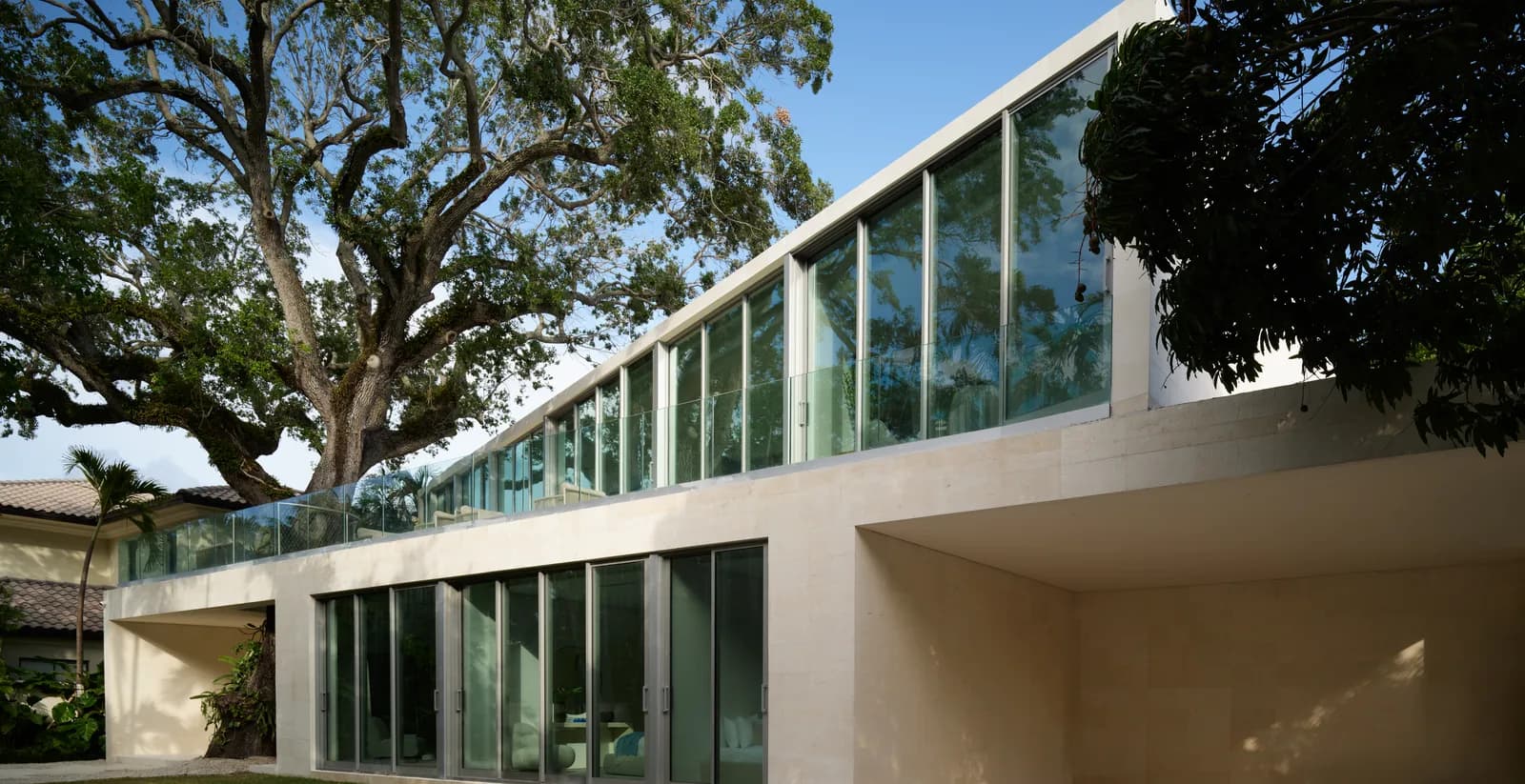
Philosophy · Aug 7, 2026 · 5 min
What Mies van der Rohe Taught Luxom About Building
A line long attributed to Mies van der Rohe, that architecture starts when two bricks are carefully put together, reads as history. At Luxom it reads as a daily standard for materials, proportion and restraint.
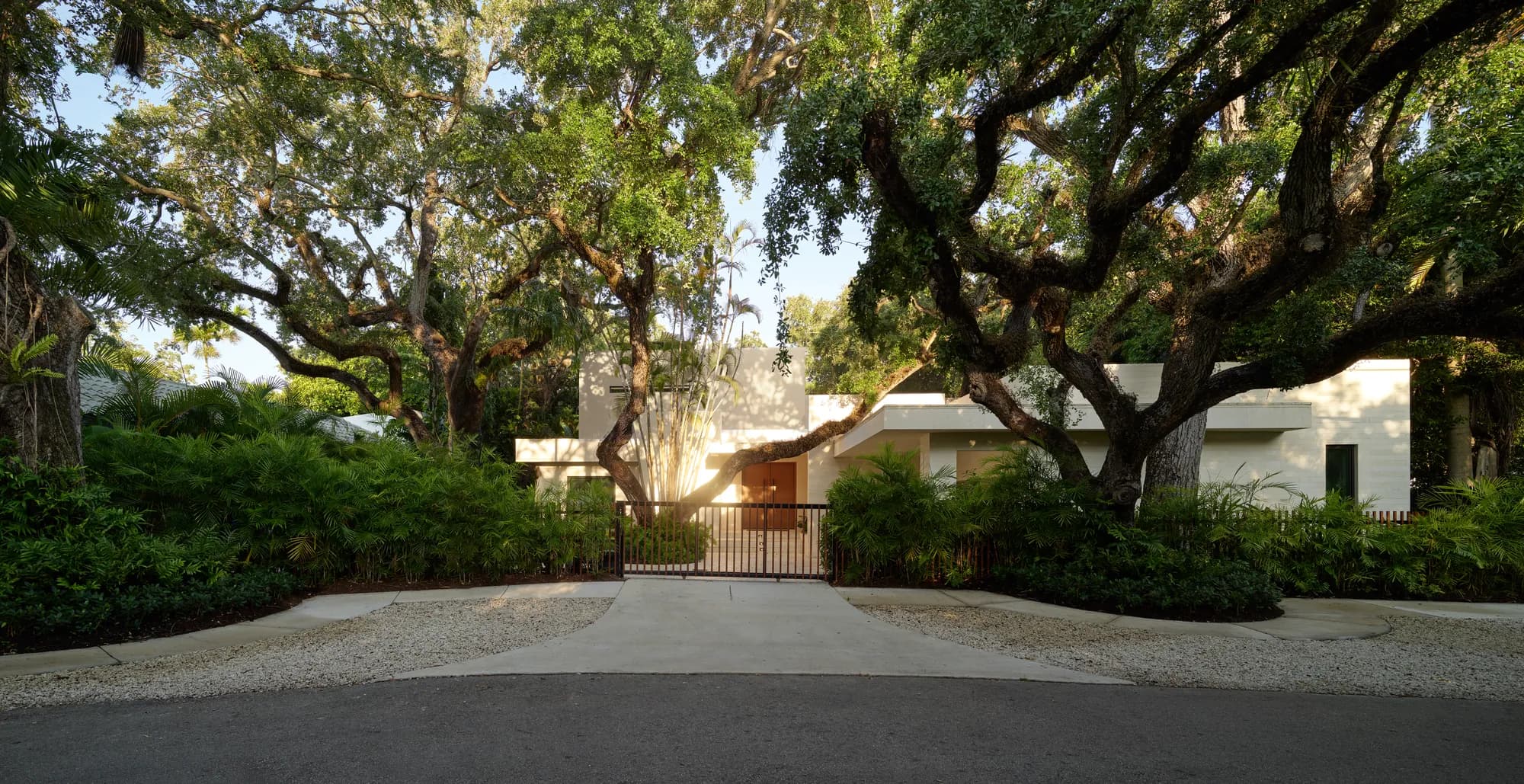
Development · Aug 29, 2026 · 5 min
Design is the cost you never see on the invoice
Every luxury build pays for design somewhere. When one studio designs, builds and finishes the home, that cost never shows up as its own line, it is folded into every dollar spent downstream.
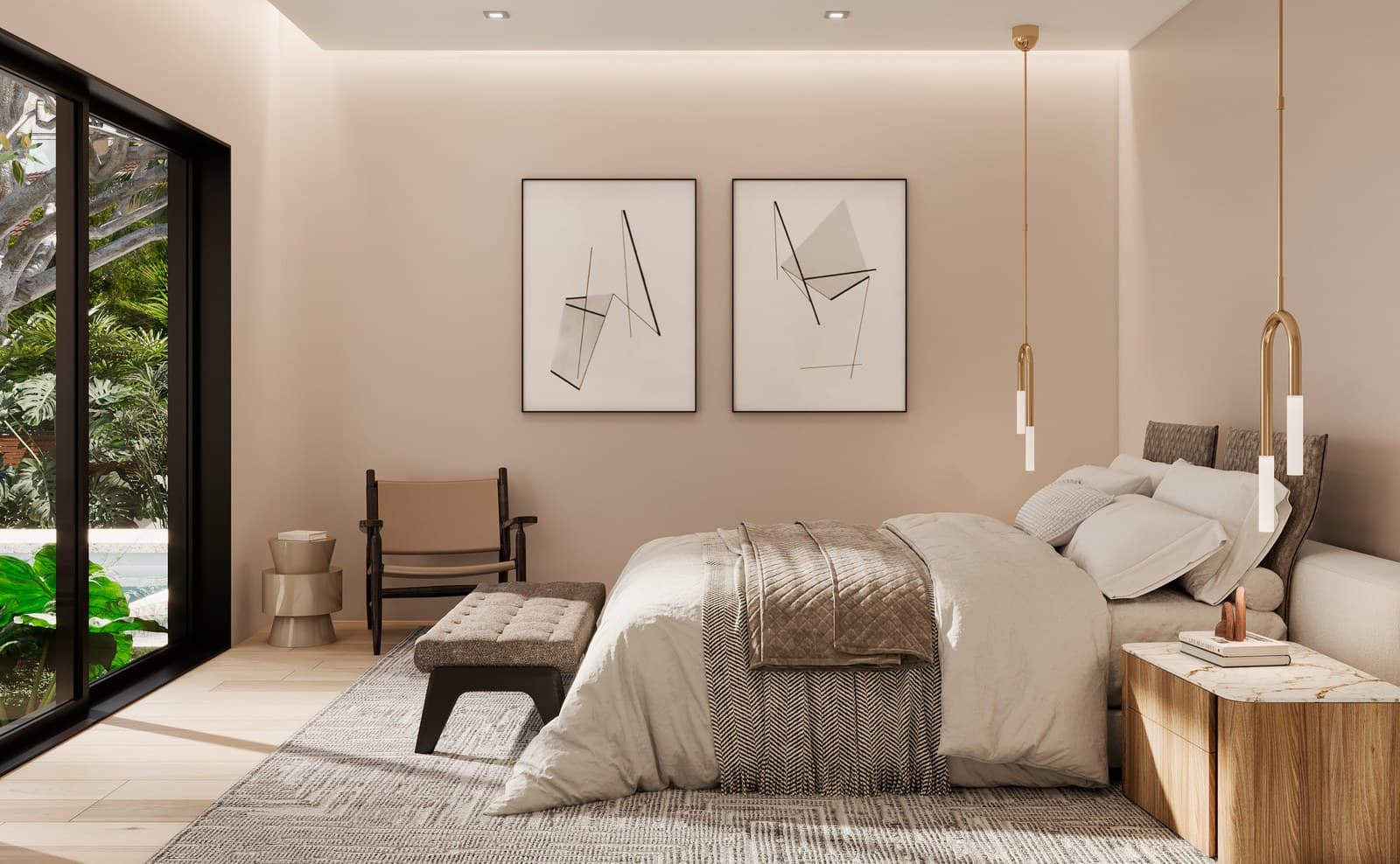
Interiors · Jul 9, 2026 · 4 min
Quiet luxury: the anti-trend that lasts
The design language that reads as expensive without announcing it. What quiet luxury is, the materials that carry it, and how to build a home that ages into value instead of out of it.