The First Question Top Buyers Ask Before Choosing a Coconut Grove Builder
Before a serious buyer signs with a Miami luxury builder, one question separates a coordinated home from a mediated one: who decides the layout, and do they also build it.
Luxom Studio · LUXOM Developments
· 4 min read · Last reviewed
Key takeaways
- The single most useful diligence question is who decides the layout, the light and the materials, and whether that same team also builds the home.
- A single studio deciding architecture and interiors together removes the handoff where most delays and mismatches start.
- Permitting delay risk in a Miami custom build almost always traces back to how resolved the design was before construction began.
- Ask to see built work versus renderings as proof; a portfolio of finished, photographed homes is verifiable in a way a rendering is not.
- Kitchen precision as a walkthrough quality signal is one of the fastest, most visible checks a buyer can run in person.
A campaign we ran recently opens with a single line: the first question a top buyer asks. It is a fair challenge, because most buyers walking into a Miami luxury build have never had to vet one before, and the questions that feel natural, how many square feet, what is the price per foot, how soon can it close, do not actually predict whether the result will hold up. There is one question that does, and it is the diligence question framed in the Instagram campaign that prompted this piece: who decides the layout, the light and the materials, and do they also build the home, or hand it off to someone else once the drawings are done.
The Question That Actually Matters
Most residential projects split into two relationships: a design relationship and a construction relationship, often with two different companies, two different incentives, and a handoff in between where nothing is anyone's full responsibility. A buyer who only asks about price and timeline never surfaces that split, because both firms will quote a price and a timeline with confidence. What the split does not show up in is the layout you actually live in.
The alternative is a single studio deciding architecture and interiors together, before a wall goes up, so the proportion of a room, the ceiling height, where a window lands and how far afternoon light travels across a floor are set as one decision rather than negotiated twice. That is the model behind Luxom's own work in Coconut Grove, and it is the same idea our short-form campaign compresses into one question, see the reel: ask who decides, not just who executes.
How Luxom Answers This Question
At Luxom, architecture and interiors are decided together, before construction starts, by the same studio that builds the home, not handed off as a separate decorating pass once the walls are finished. That structure is set out in more detail in Decorated Buys Objects. Designed Buys Decisions., and it shows up across the residences the studio has delivered in Coconut Grove, including projects like 1616 Onaway, 4280 Ingraham, 188 Cherokee and 9501 E Broadview, and the ongoing work at Samana. In each case the same team that drew the plans also built the walls, so the proportion a buyer walks through on closing day is the one that was decided on day one, not a compromise reached after two firms argued it out mid-construction.
Why Permitting Is the Real Risk
The second reason this question matters is scheduling, not just aesthetics. The permitting delay risk in a Miami custom build is one of the two most common causes of delay on a project like this, and almost all of that delay traces back to how well the design phase was executed before drawings were submitted. Thin or contradictory documents come back from plan review with comments, and every round of comments adds months, not days. A buyer who confirms the design is fully resolved before ground is broken, rather than being finished in parallel with permitting, is buying out a meaningful part of that risk before it becomes their problem. More on how that timeline actually unfolds is in Building a custom luxury home in Miami, start to finish.
Built Work, Not Renderings
A rendering can promise anything, because nothing about it has been tested against a real jurisdiction, a real structural engineer or a real finish schedule. The stronger diligence move is to ask to see built work versus renderings as proof: request finished, photographed homes rather than concept images, and walk them if possible. A builder confident in what they have delivered will not hesitate to show it. This is not a stylistic preference, it is a verification step, and it is one of the clearest signals of whether a firm's marketing matches its actual construction record.
A Signal You Can Check Yourself: The Kitchen
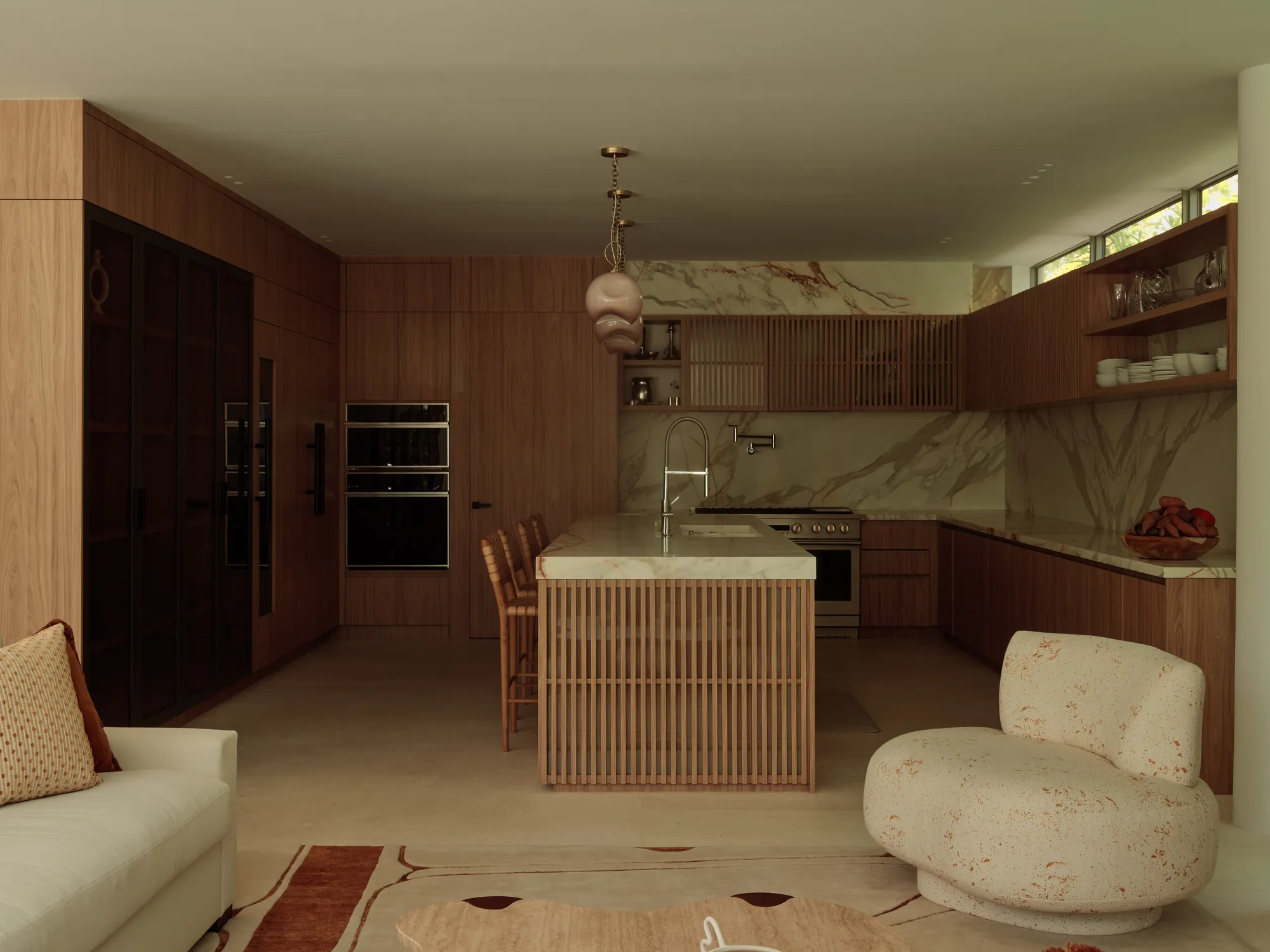
If a buyer only gets one walkthrough before deciding, the kitchen is the fastest place to look. Kitchen precision as a walkthrough quality signal works because a kitchen concentrates more tight tolerances, seams, waterfall edges, appliance panel alignment, grain matching, than almost any other room in the house, and none of it can be hidden by styling. We go deeper on exactly what to look for in What Kitchen Precision Actually Signals About the Rest of the House. If the joinery lines up under close inspection, the rest of the trade coordination behind the walls almost always does too.
Where This Leaves a Serious Buyer
None of this requires a construction background. It requires one question, asked early: who decides the layout, the light and the materials, and do they also build the home. The answer tells a buyer more about how their year of construction will actually go than a floor plan, a price sheet or a rendering ever will, and it is the reason the first question in that campaign was never about square footage at all.
Pull quote
An object can be replaced in an afternoon. A proportion, once the walls are closed, cannot.
Filed under
Questions about the first diligence question to ask a Miami luxury builder
01What is the first question a serious buyer should ask a Miami luxury builder?
Ask who decides the layout, the light and the material palette, and whether that same team also builds the home. This is the diligence question framed in the Instagram campaign behind this article, the reel, and we walk through how Luxom answers it above.
02Why does it matter who decides the layout before construction starts?
Because a home designed as one decision by a single studio prices and resolves differently than a home decorated in pieces after design and construction were split between separate firms. We cover the distinction in Decorated Buys Objects. Designed Buys Decisions.
03What causes the most common delays in a Miami custom home build?
Permitting and long lead times on specialty materials are the two most common causes, and both trace back to how resolved the design was before construction started, as covered in Building a custom luxury home in Miami, start to finish.
04Is there a detail a buyer can check on a walkthrough to judge build quality?
Yes, kitchen joinery and seam alignment are a fast, visible test, explained in What Kitchen Precision Actually Signals About the Rest of the House.
Explore the portfolio
Projects to see


Talk to the studio
If this belongs in your home, our studio will draw the plan.
Initial conversation, 30 minutes. We listen to the brief and respond with a scoped proposal within five working days. You can also read the services page for typical timelines and fees.
Written by Luxom Studio · LUXOM Developments
The design and development studio behind LUXOM residences in Coconut Grove, Miami
Keep reading
From the journal
Philosophy · Aug 31, 2026 · 6 min
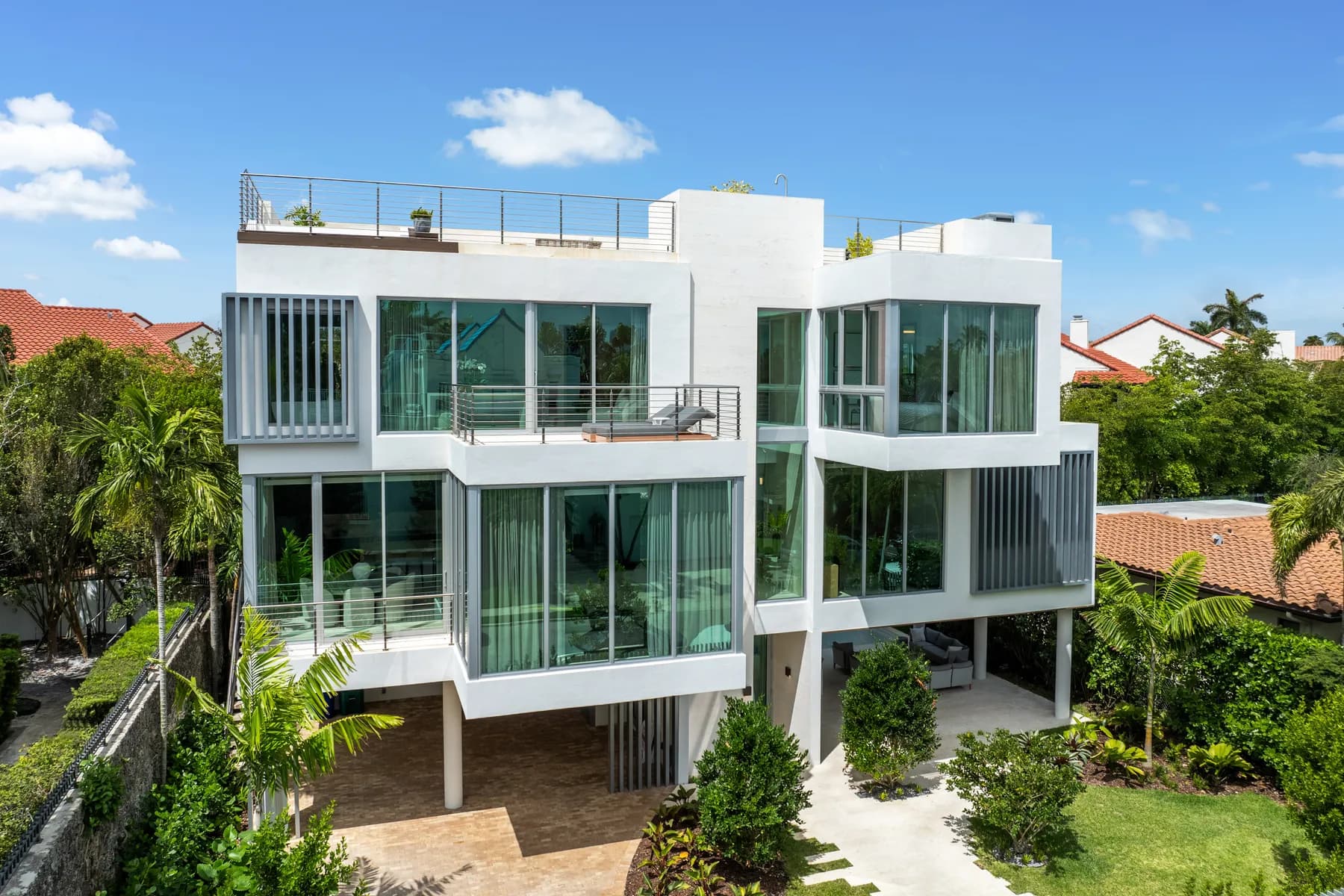
Decorated Buys Objects. Designed Buys Decisions.
A decorator styles the room you already have. A designer decides the proportion, light and layout before that room exists, and only one of those choices still holds up ten years later.
Development · Jul 23, 2026 · 5 min
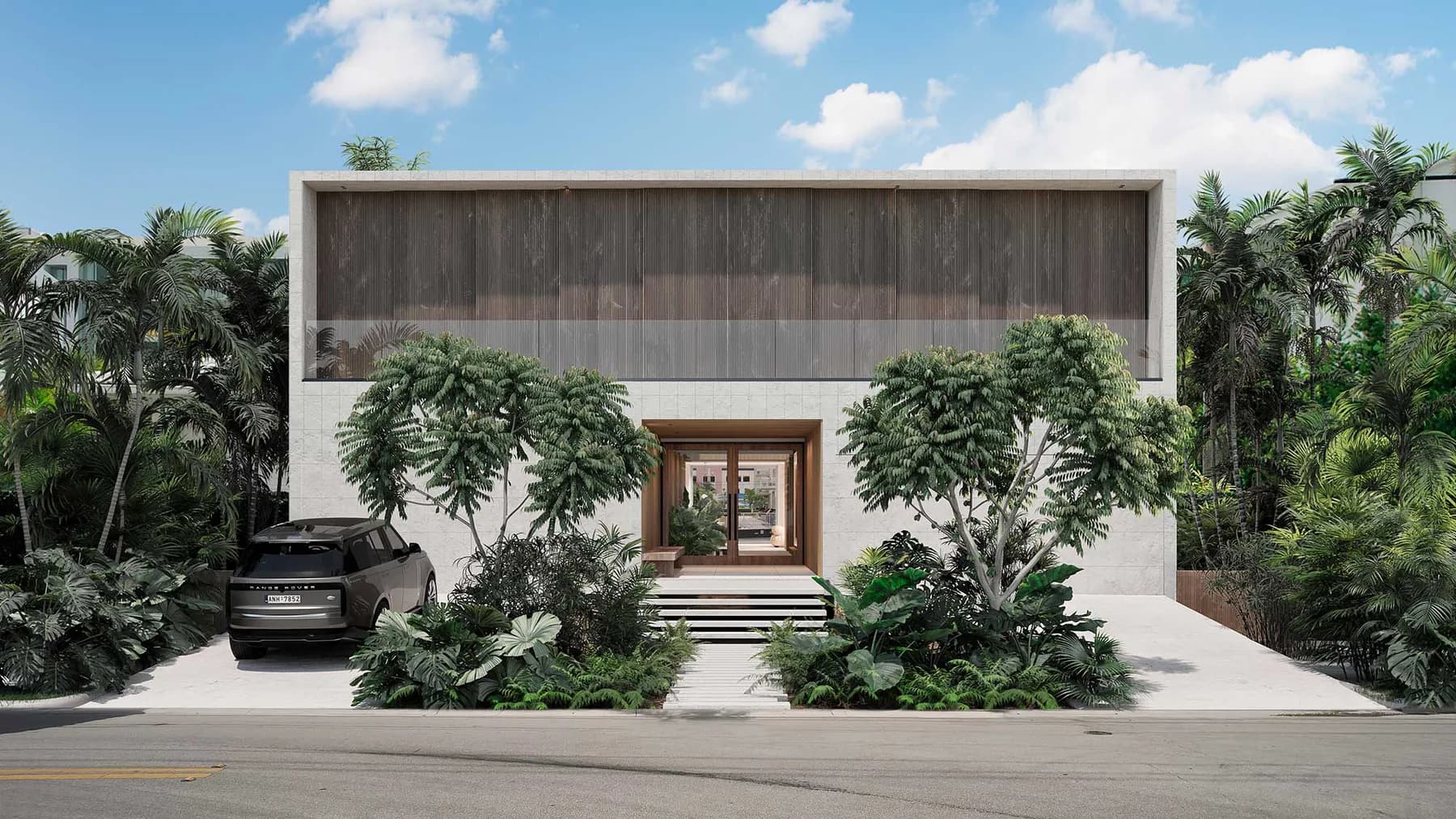
Building a custom luxury home in Miami, start to finish
What it takes to build a custom luxury home in Miami, from land and design through permitting and finish. The real sequence, the local constraints, and where a builder earns their keep.
Materials · Sep 1, 2026 · 8 min
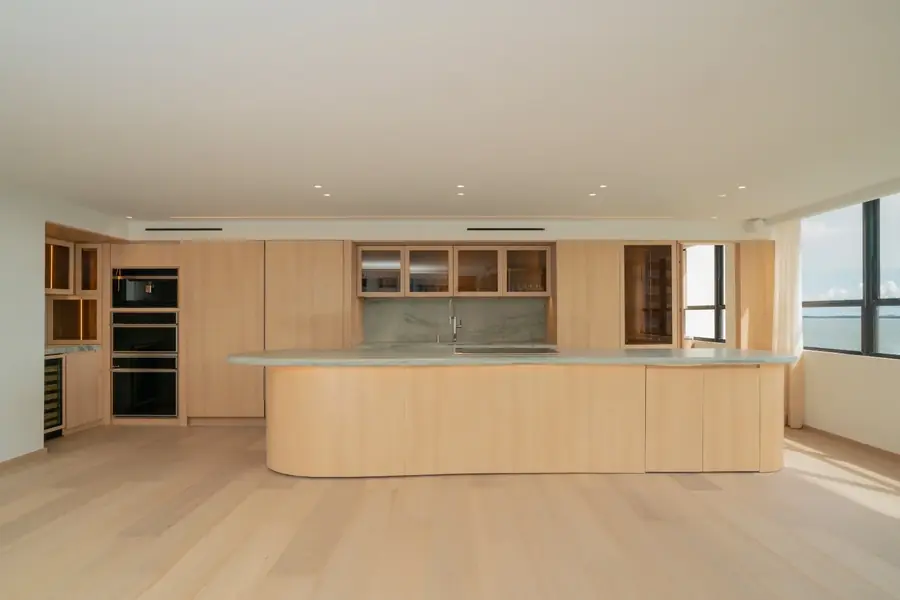
What Kitchen Precision Actually Signals About the Rest of the House
The kitchen is the easiest room in a house to fake and the hardest one to fake well. Here is what aligned hardware, matched stone and silent doors actually tell you about the rest of a Luxom build.