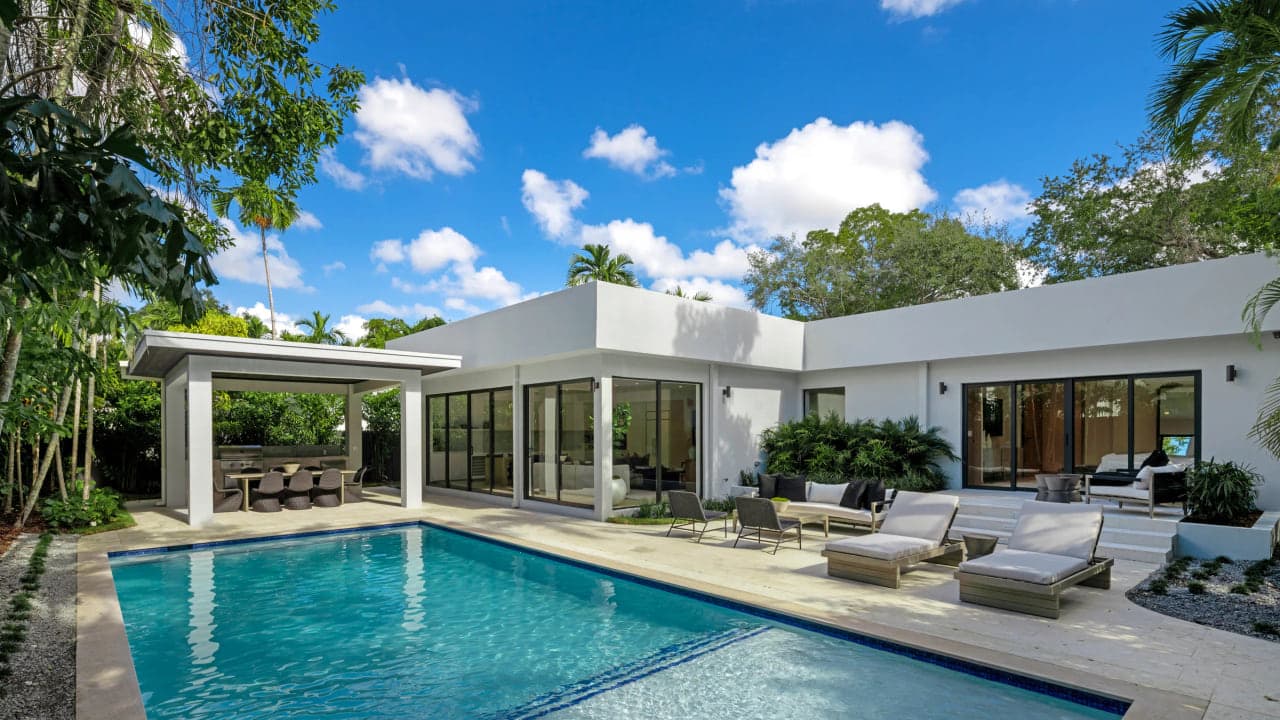
A House That Works With Miami's Light, Not Against It
Big windows are not the same thing as good light. Why Luxom decides where glass goes by the sun's path first, and treats orientation as a structural decision, not a finish.
Luxom Studio · LUXOM Developments
· 3 min read · Last reviewed
Key takeaways
- A bright house and a hot, glaring house are built the same way if orientation is skipped. Window size alone does not decide which one you get.
- Solar orientation, which walls face which direction, is a first-pass structural decision, made with the plan, not a finish chosen after the shell is framed.
- A west facing wall of glass takes on far more afternoon heat and glare than the same wall facing north or east, so Luxom reserves the biggest openings for the directions that give light without the heat.
- Deep overhangs and covered terraces do more work against Miami's sun than tinted glass, because they block direct light before it ever reaches the glazing.
- Daylighting is a design discipline: using natural light for real illumination while managing glare and heat, not simply adding more or larger windows.
Editor's note
A house can be full of glass and still feel wrong: hot by three in the afternoon, glaring on a screen, impossible to sit near a window without squinting. That is not a lighting problem. It is an orientation problem, decided or missed long before the glazing is ordered. A house that actually works with Miami's light, instead of arguing with it, gets its windows placed by the sun's path first.
Why orientation comes before window size
Most conversations about a bright, modern home start with window size: bigger openings, floor to ceiling glass, more of it. That misses the harder question, which direction each opening faces. A passive solar reading of a floor plan treats a south or west facing wall of glass very differently from a north or east facing one, because the amount and angle of sun hitting each wall is not close to equal over a day. Orientation is decided with the structural drawings, the same stage where proportion and sequence get locked in, not after the shell is framed and finishes are being picked.
Why a west facing window feels hotter than one that faces north
A west facing wall of glass takes direct, low angle sun for several hours every afternoon, which is exactly when a room is hardest to cool and hardest to sit in comfortably. That heat is solar heat gain: energy from direct sunlight passing through glass and building up inside a room. A north or east facing wall of the same size receives far less of that direct, low angle exposure, which is why the same size window can behave completely differently depending only on which way it faces.
Pull quote
A house does not fight Miami's light by shrinking its windows. It works with the light by putting glass where the sun actually helps.
Where Luxom actually puts its largest glass openings
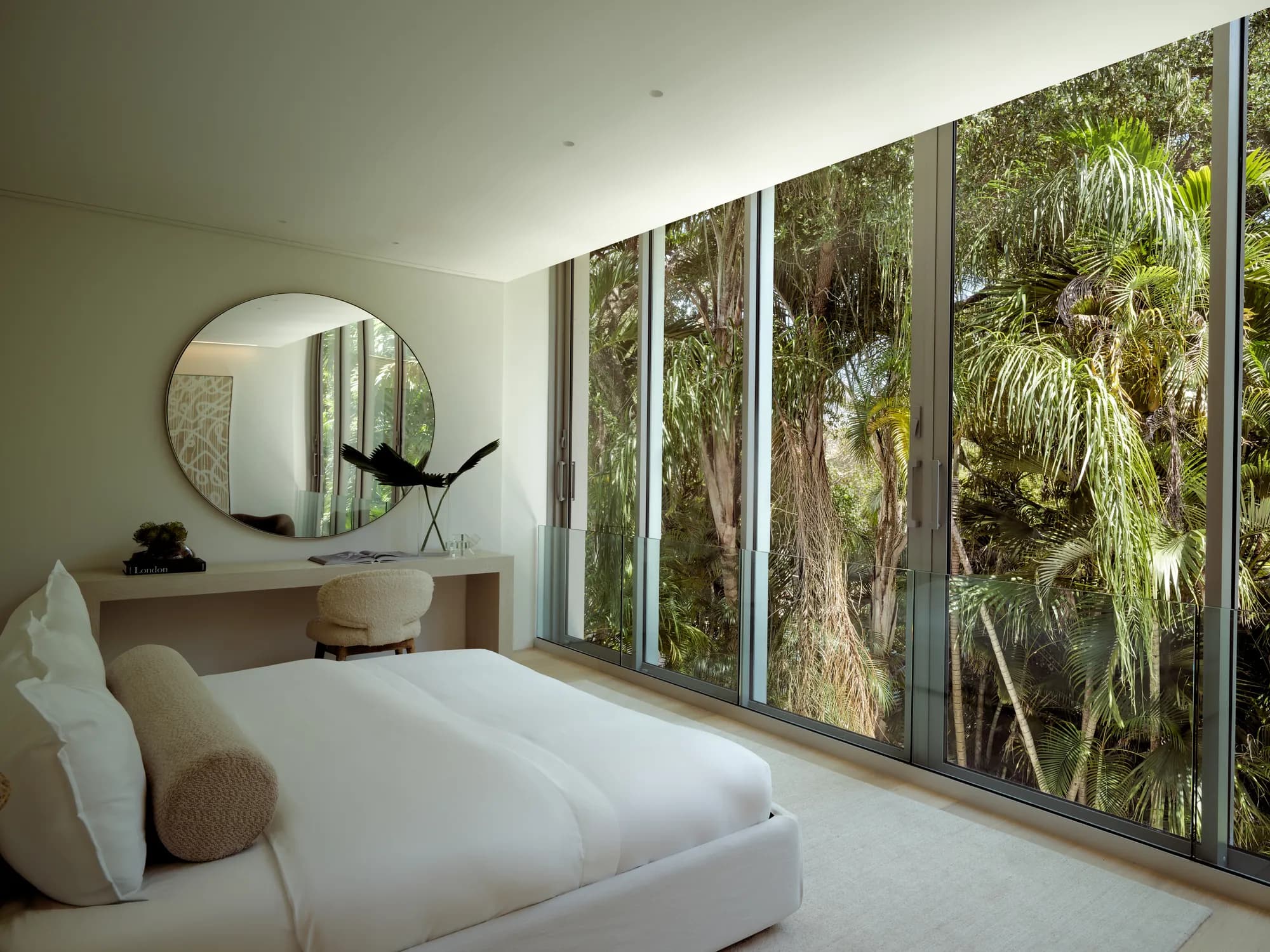
Given that difference, Luxom generally reserves its largest openings, courtyards, primary living spaces, floor to ceiling glass walls, for north and east facing rooms, where daylight arrives steadily without the late-day heat load a western elevation carries. This is the same reasoning behind placing a primary bedroom's floor to ceiling glass on the long wall of the room, chosen for the specific quality of morning light that wall receives, not for convenience. A western elevation still gets glass, it is Miami, but it is handled with more restraint: narrower openings, deeper shading, or glass reserved for spaces used less during the hottest hours.
Why overhangs and covered terraces do more work than tinted glass
Tinted or reflective glass reduces heat and glare after sunlight already reaches the window, which means some of that heat still ends up inside the room. A deep roof overhang or a covered terrace blocks direct summer sun before it reaches the glass at all, which is a more effective and much older strategy. This is the same logic covered in Luxom's approach to facade and window placement: where glass sits on an elevation, and what shades it, is decided together, not as two separate line items.
What daylighting actually means, beyond adding more windows
Daylighting is the deliberate use of natural light for real illumination, reading a book, cooking, working, without the glare and heat that come from an unmanaged opening. It is a discipline, not a quantity: a smaller, well placed, well shaded window can daylight a room better than a larger, unshaded one. The same proportion and sequence discipline that governs what makes a house read as luxury rather than merely expensive applies directly to how a house handles its light: decided early, at the plan stage, with everything else.
Orientation for light and orientation for breeze are two different exercises that use the same plan level thinking: see cross ventilation in luxury homes for how Luxom runs the second exercise, positioning operable openings for airflow the same way it positions glass for daylight.
Pull quote
A house does not fight Miami's light by shrinking its windows. It works with the light by putting glass where the sun actually helps.
Filed under
Questions about orienting a house for natural light in Miami
01Does window size decide how bright and comfortable a room feels?
Not by itself. A large west facing window can flood a room with harsh afternoon glare and heat, while a smaller, well placed north or east facing opening can give steadier, more comfortable light all day, a point covered further in why orientation comes before window size. The same logic is behind Luxom's floor to ceiling glass placed on the long wall of a primary bedroom, chosen for a specific quality of light, not simply for size.
02Why does a west facing window feel hotter than one that faces north?
A west facing wall of glass receives direct, low angle sun through the hottest hours of the afternoon, which drives significantly more solar heat gain into the room than the same wall would take on facing north or east. This is why Luxom reserves its largest glass openings for north and east facing rooms and courtyards, and treats a western elevation with more restraint.
03What is daylighting, and how is it different from just adding more windows?
Daylighting is the practice of using natural light for real, functional illumination while actively managing glare and heat, rather than treating more or bigger windows as an automatic improvement. It is the difference covered in why a house needs fewer, better placed windows rather than more of them, and it is the same discipline behind Luxom's approach to facade and window placement.
04Do deep roof overhangs actually make a difference against Miami's sun?
Yes. A deep overhang or a covered terrace blocks direct summer sun before it ever reaches the glass, which does more to control heat and glare than a tinted or reflective coating applied to the window itself, as covered in why overhangs do more work than tinted glass. Tinted glass still lets some heat build behind it; an overhang keeps the sun off the glass in the first place.
05Where does Luxom actually put the biggest windows in a house?
Generally on the north and east facing rooms and courtyards, where daylight arrives without the harsh late-day heat a western elevation carries, a placement logic detailed in where Luxom actually puts its largest glass openings. The same discipline governs proportion and sequence across a whole house, not just its window schedule.
Explore the portfolio
Projects to see


Talk to the studio
If this belongs in your home, our studio will draw the plan.
Initial conversation, 30 minutes. We listen to the brief and respond with a scoped proposal within five working days. You can also read the services page for typical timelines and fees.
Written by Luxom Studio · LUXOM Developments
The design and development studio behind LUXOM residences in Coconut Grove, Miami
Keep reading
From the journal
Interiors · Aug 31, 2026 · 6 min
Fourteen Bedrooms, One Rule: Glass on the Long Wall at Luxom
A bedroom is judged at seven in the morning, not in a photograph. Why every primary bedroom Luxom builds in Coconut Grove puts its floor to ceiling glass on the long wall, not just any wall with a view.
Architecture · Aug 29, 2026 · 7 min
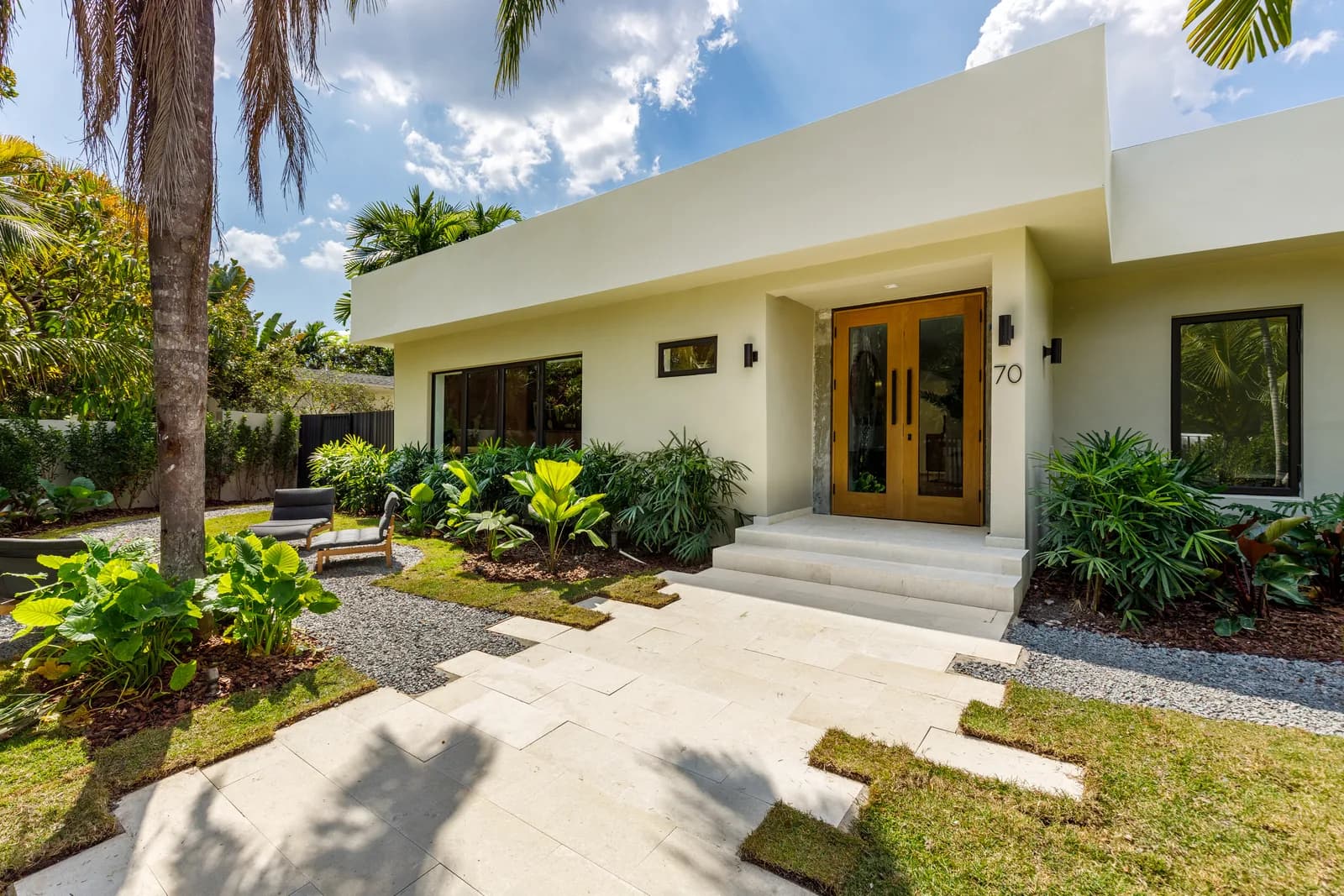
The Facade Is the One Thing the Whole Street Reviews
Fourteen Luxom elevations later, the facade comes down to four decisions: white stucco, glass, an oak door and a canopy worth keeping. Here is how those four hold together.
Architecture · Sep 26, 2026 · 4 min
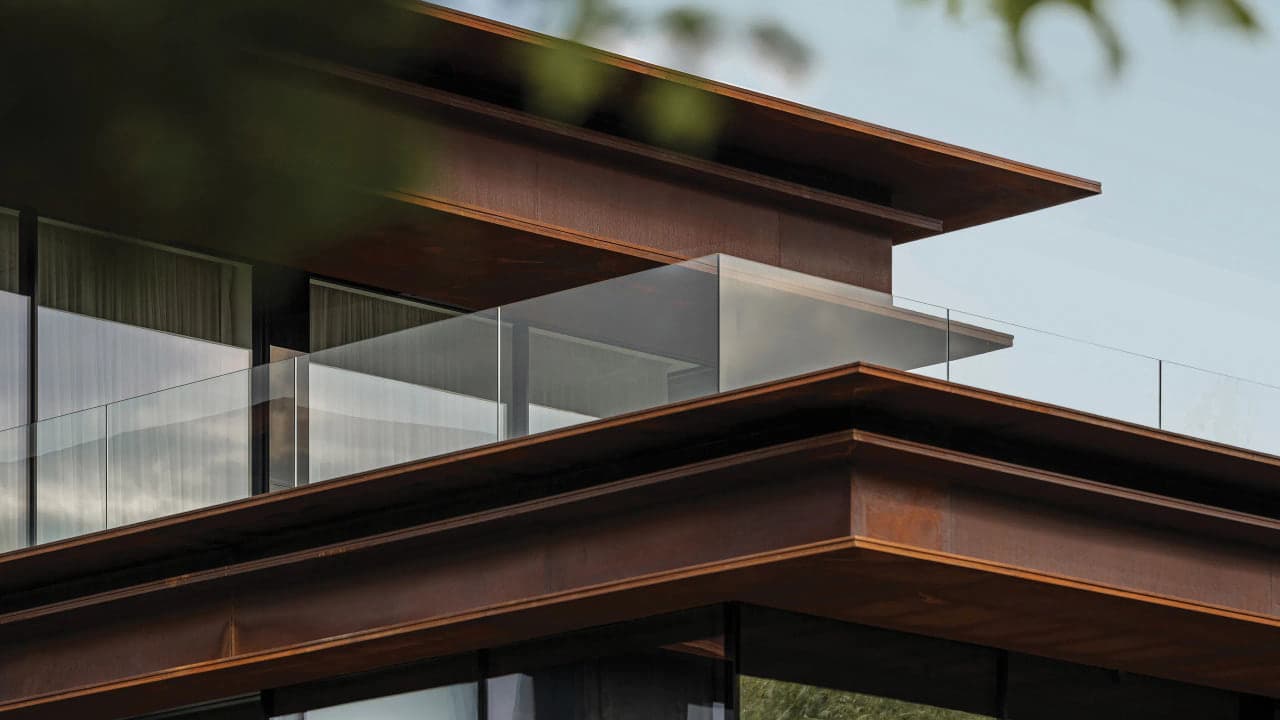
What Makes Architecture Read as Luxury, Not Just Expensive
Luxury in architecture is not square footage or finish cost. It is proportion, sequence and material honesty decided before a single finish is chosen.