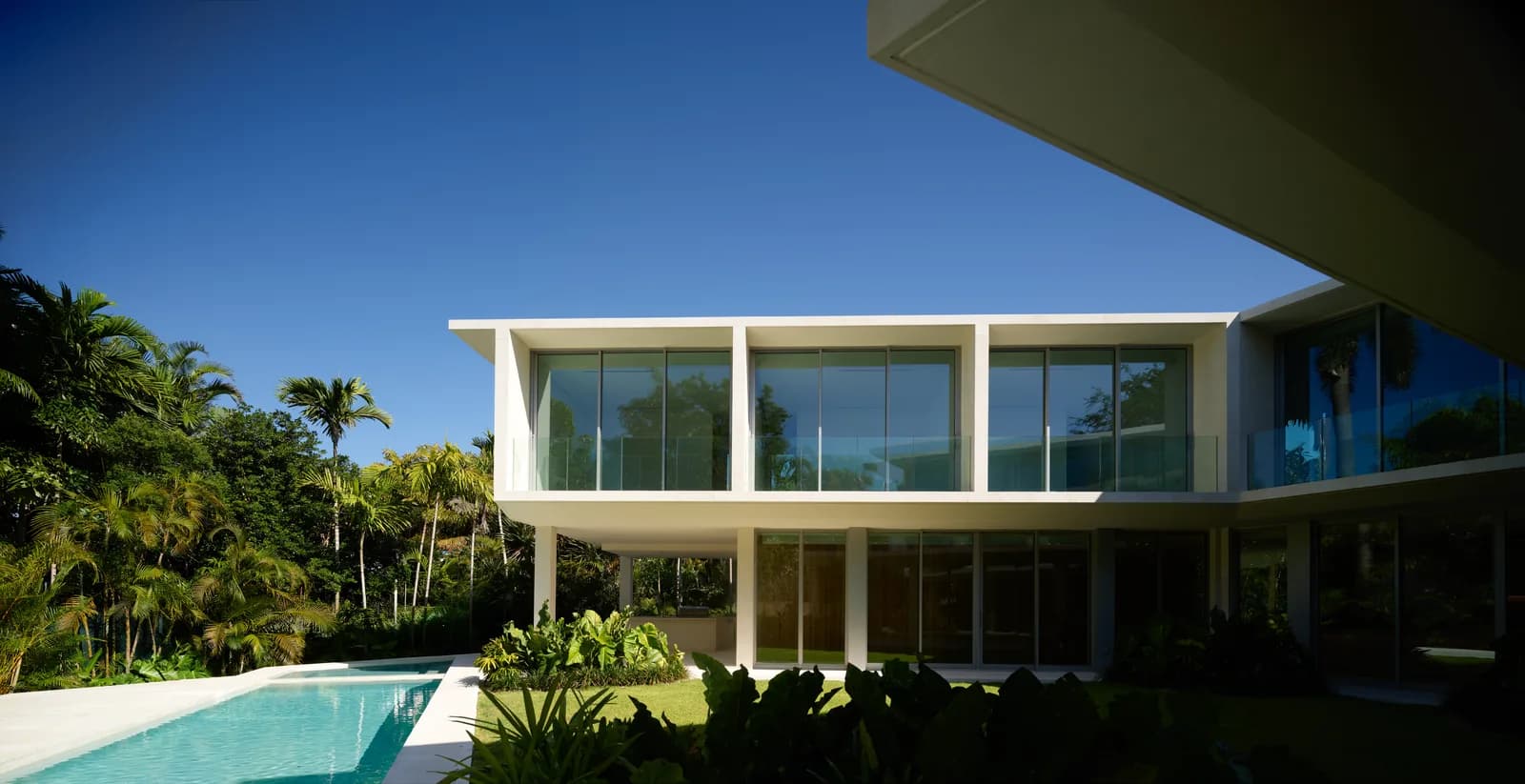
What an $11.4M Coconut Grove Sale Actually Bought
A closed $11.4 million sale in Coconut Grove, broken into the land, the glass, the ceiling height and the years of unrushed building that the price actually paid for.
Luxom Studio · LUXOM Developments
· 7 min read · Last reviewed
Key takeaways
- An $11.4 million Coconut Grove sale price is not one number. It is land, glazing, ceiling height and build time, each a separate decision made years before closing.
- South Florida logged 361 home sales at $10 million or more in 2025, roughly one ultra-luxury closing a day, which situates this sale inside a record, not an outlier, market.
- Floor to ceiling glass replaces load bearing wall, which is why it costs more than a window: it is a structural substitution, not a finish upgrade.
- An unhurried, single-team build is the reason nobody had to cut a corner to hit a date, because there was never a second company's schedule to protect.
From the developer
People see the number first: $11.4 million, a closed sale, a Coconut Grove address. What they do not see is the four decisions that number is actually made of, each one settled years before a buyer ever walked through the door.
Land buried in green. Glass where a wall would be. Ceilings you feel more than see. Years of building where nobody cut a corner. That is not marketing language. It is the receipt, read backward.
The price is four decisions, not one number
Every closed price at this level is the sum of choices made long before the for sale sign, not a single figure set at listing.
The price is four decisions, not one number
A sale price this size gets repeated as a single fact, which flattens what actually produced it. Behind the closing figure sit four separate categories of decision: how much of the lot to leave as landscape instead of building footprint, how much exterior wall to replace with structural glazing, how tall to frame the ceilings before a single finish goes in, and how long to let the build run without compressing a schedule to hit a date.
Read as one argument, that is really five questions folded into a single closing number: how much of an $11M+ Coconut Grove sale price is the land versus the structure, what floor-to-ceiling glass costs and why it replaces load-bearing wall space, how ceiling height changes the feel, and the engineering, of a room, why an unhurried, single-team construction timeline protects quality on a high-end build, and how Coconut Grove's $10M+ sale volume situates one $11.4M closing in context.
None of those four decisions get made at the closing table. They get made at the site plan, in the structural drawings, and on the job site, months and years before a buyer ever sees the finished rooms. Our development cost breakdown walks through the same categories, land, structure and finish, on an $8.2 million project, from the build side rather than the sale side. Read together, the two pieces show the same number from both directions.
Land buried in green
The land is the decision that cannot be revisited once it is made. In Coconut Grove, a lot with mature tree canopy and the room to keep a real landscape buffer, rather than building to every inch of setback, typically represents 30 to 40 percent of total development cost at the multi million dollar tier. That share is not overhead. It is what lets a finished home read as private and settled into its site instead of dropped onto a cleared lot.
Choosing to bury a home in green, rather than clearing it for maximum footprint, is a site plan decision made at acquisition. It cannot be added back later. The fuller argument for why the land decision controls more of a project's ceiling than anything built on top of it lives in Where luxury developers actually make money.
Glass where a wall would be
Floor to ceiling glass is a structural substitution, not a finish choice. Where a conventional wall would carry load through a solid section, a glazed wall reroutes that load through beams, columns or transfer structure so the opening can run uninterrupted from slab to ceiling. In Miami, that glazing also has to meet impact rated standards under the Florida Building Code, which governs wind pressure resistance on every exposed opening.
Pull quote
The land, the glass, the ceiling height and the time it took: those are the four line items behind the one number everyone repeats.
That is why glass costs more than the wall it replaces: it is engineered to do the wall's structural job while disappearing visually. The trade a buyer is paying for is not transparency for its own sake. It is a living room that keeps its structural integrity in a hurricane zone while reading as open on every side.
Ceilings you feel more than see
Ceiling height is set in the structural plans, not chosen at the finish stage. Framing a room a foot or two taller than a standard build changes the wall assemblies, the mechanical duct runs threading through the structure above, and, in Florida, the wind load the taller exterior wall has to resist. None of that shows up as a line a buyer can point to. It shows up as a room that feels resolved and calm the moment they walk into it.
That is the gap between a home that photographs well and one that holds up in person. The extra height was decided in the drawings, paid for in the framing, and delivered as a feeling rather than a fixture.
Years of building where nobody cut a corner
A rushed construction schedule is usually a symptom of a project split across separate design, construction and finish companies, each protecting its own handoff date and its own margin. Why a typical build pays for four profits, not one covers what that stacked structure costs a project in dollars. It also costs the project time, because every handoff between companies is a point where a schedule gets compressed to protect somebody else's start date.
Building end to end as one team removes that handoff pressure. There is no second company's calendar dictating when a detail has to be finished. That is the practical meaning behind letting a build run the years it needs: not an open ended timeline, but the absence of an artificial one imposed by a stack of separate contracts.
One closing inside a record market
This sale did not happen in isolation. South Florida logged 361 home sales at $10 million or more in 2025, the second highest annual total on record, trailing only the pandemic driven peak of 444 sales in 2021, which works out to roughly one ultra luxury closing every single day of the year. An $11.4 million Coconut Grove sale sits inside that volume, not above it as an anomaly.
Price per square foot context sharpens the picture further. Miami's luxury condo market posted a median of $1,040 per square foot in the first quarter of 2026, with the Coconut Grove and Coral Gables submarket specifically at $949 per square foot, up 9.2 percent year over year, and the $2 million plus premium segment at $1,381 per square foot. Those are condo figures, not ground up single family construction, but they confirm the same direction: Coconut Grove is pricing at a premium that is still climbing, and a single family home built on buried in green land, with structural glazing and framed for taller ceilings, sits well above a condo baseline for exactly the reasons broken down above.
Understood this way, the $11.4 million figure stops being an abstraction. It is land that could not be revisited, glass engineered to replace a wall, ceiling height decided before the first stud went up, and enough unhurried time to build all three without a shortcut. For the land side of that argument, see Where luxury developers actually make money. For the build sequence itself, Building a custom luxury home in Miami, start to finish covers each phase. The projects page shows the standard, and the contact page is where a serious conversation about a Coconut Grove build starts.
Further reading: Luxury home development cost breakdown, Miami, Where luxury developers actually make money, Why a typical build pays for four profits, not one, and Building a custom luxury home in Miami, start to finish. Sources for the figures cited above: South Florida's 2025 ultra luxury sales pace (Joelle Realtor), Miami luxury condo price per square foot data for Q1 2026 (CondoBlackBook), and a global comparison point: Monaco, the world's most expensive real estate market, prices luxury property at roughly $5,000 to $6,600 per square foot (Kelly Robinson New York), several times higher than Miami's luxury average.
Pull quote
The land, the glass, the ceiling height and the time it took: those are the four line items behind the one number everyone repeats.
Filed under
Questions about what an $11 million Coconut Grove home sale pays for
01What does an $11 million-plus home price in Coconut Grove actually pay for?
At this level, the price is not a single line. It is land, the architecture and glazing built on top of it, the ceiling height framed into the structure, and the years of construction time spent getting each of those right without a shortcut. Our development cost breakdown walks the same categories from the build side, on an $8.2 million project, so the two pieces read as one argument from opposite ends of a closing.
02How much of a luxury home's price is the land versus the structure built on it?
In Coconut Grove, land and site work typically represent 30 to 40 percent of total development cost at the multi million dollar tier, and it is the only category a developer cannot revisit after closing on the lot. The full logic of why acquisition, not construction, decides the ceiling on a project's value is laid out in Where luxury developers actually make money.
03Why do floor to ceiling glass walls cost more than the walls they replace?
Floor to ceiling glass is not a bigger window. It is a structural substitution: load that a wall would normally carry gets rerouted through beams, columns or transfer structure so the opening can run uninterrupted from slab to ceiling. In Miami, that glazing also has to meet impact rated standards under the Florida Building Code, which adds engineering and material cost beyond the glass itself. The result is a wall that disappears, which is the point.
04Does a taller ceiling actually change how a room feels, beyond the extra materials?
Yes, and it is decided long before drywall. Ceiling height is set in the structural plans, which means every extra foot changes the wall assemblies, the HVAC duct runs and, in Florida, the wind load the structure has to resist over a larger vertical surface. A room framed a foot or two taller than a standard build reads as calmer and more resolved the moment you walk in, which is a felt result of an early engineering decision, not a decorating one. Building the Ingraham Residence, start to finish shows that sequencing on an actual Coconut Grove build.
05Why does an unhurried construction timeline matter for a finished home's quality?
A rushed schedule is usually the byproduct of coordinating separate design, construction and finish companies, each protecting its own handoff date. Why a typical build pays for four profits, not one explains what that stacked structure costs a project. Building end to end as one team removes the handoff pressure entirely, which is what makes it possible to let a detail take the time it needs instead of the time the next contractor's calendar allows.
Explore the portfolio
Projects to see


Talk to the studio
If this belongs in your home, our studio will draw the plan.
Initial conversation, 30 minutes. We listen to the brief and respond with a scoped proposal within five working days. You can also read the services page for typical timelines and fees.
Written by Luxom Studio · LUXOM Developments
The design and development studio behind LUXOM residences in Coconut Grove, Miami
Keep reading
From the journal
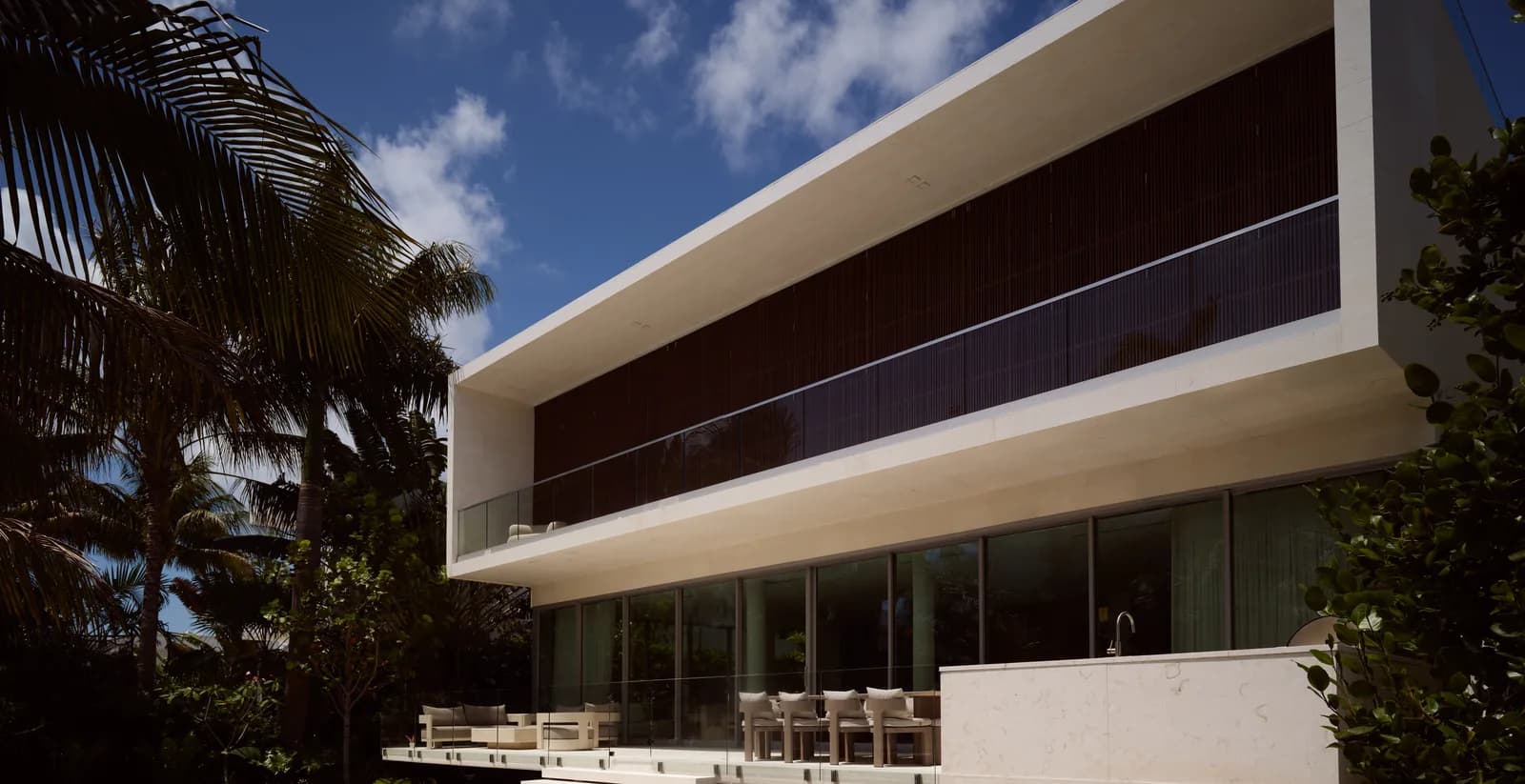
Development · Jul 14, 2026 · 7 min
An $8.2M development cost breakdown, from land to finish
How a luxury development budget at this scale divides across land, architecture, construction and finishes: the categories, the logic behind each one, and what they mean for a buyer.
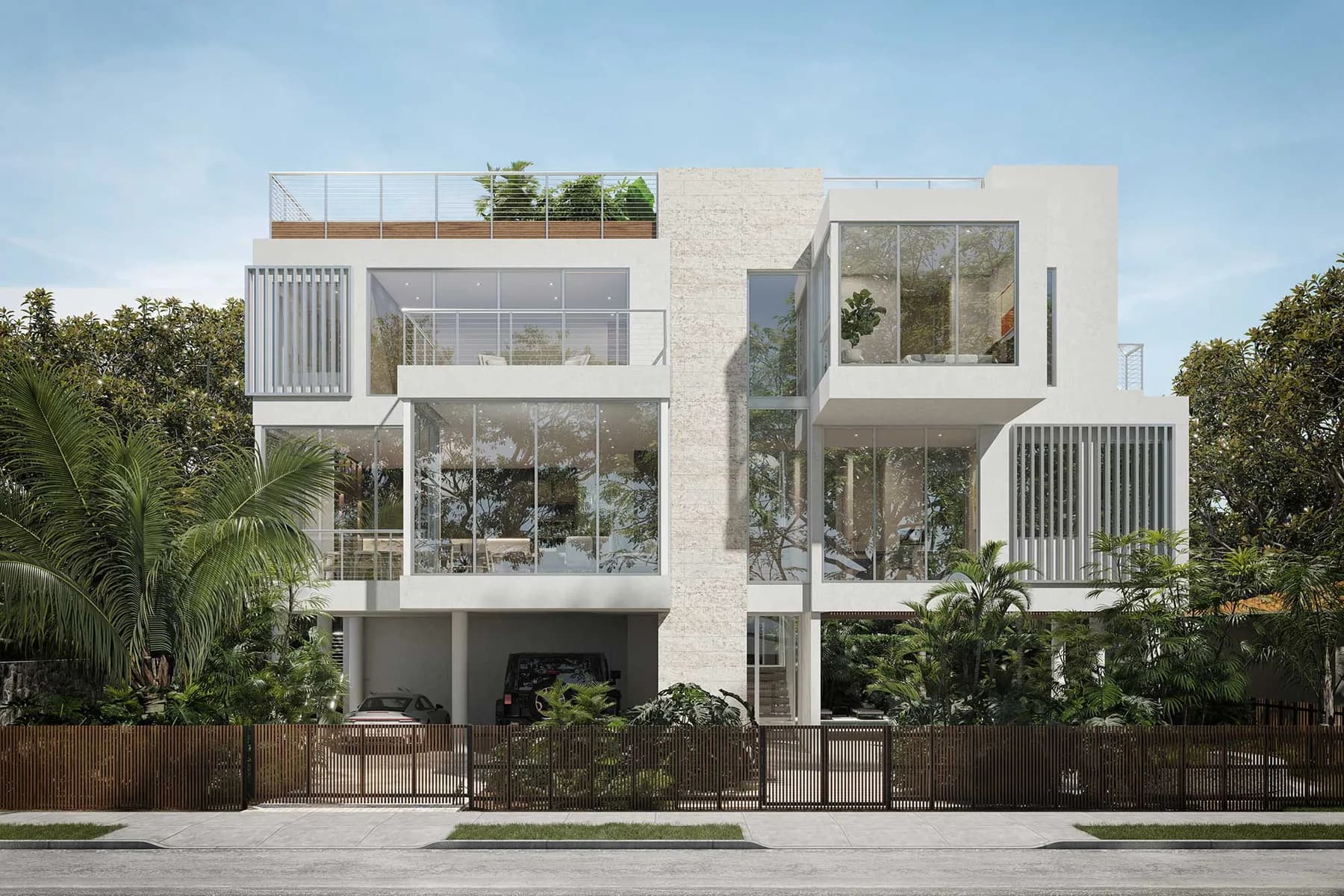
Development · Jul 8, 2026 · 3 min
Where luxury developers actually make money
It isn't the house. The margin is decided the day you buy the land, and protected by everything you refuse to cheapen.
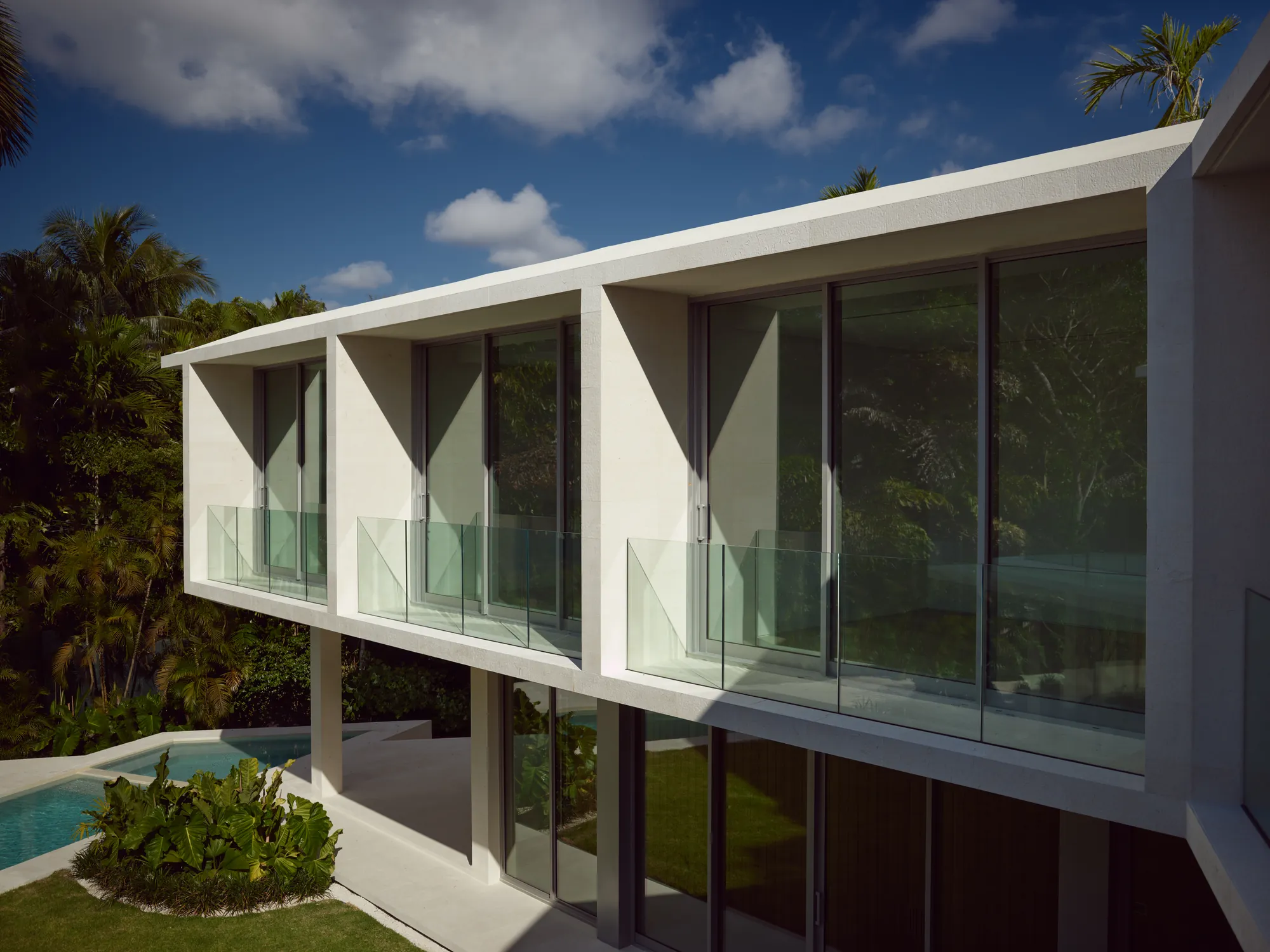
Development · Aug 5, 2026 · 5 min
Why a typical build pays for four profits, not one
Design, construction and finish usually sit with three or four separate companies, each pricing its own margin. Building it all in-house removes that stack for a Coconut Grove home, not just the coordination.