Where luxury developers actually make money
It isn't the house. The margin is decided the day you buy the land, and protected by everything you refuse to cheapen.
Samuel Bissu · Developments
· 3 min read · Last reviewed
Key takeaways
- The real margin in luxury development is made at acquisition, not construction. You win or lose on the land the day you buy it.
- The right block holds its value when the wider market softens. Location decides the floor under your price.
- Finish quality is the multiplier. Real stone, impact glass and imported joinery are what a buyer pays a premium for.
- Building boutique, a few homes at a time, protects craft over volume, which is where lasting value comes from.
From the developer
People assume a developer gets rich on the build, that the money appears somewhere between the foundation and the final walkthrough. It doesn't work that way. By the time the crew shows up, the outcome of the project is mostly already decided.
The decisions that make or break a luxury home are made long before anyone breaks ground: what you buy, where you buy it, and what you refuse to cheapen once you own it. Everything else is execution. Here is where the value actually comes from.
Profit is designed into the deal before the build begins
Four decisions decide the margin on a luxury home. None of them happen on site, and all of them are made before the first wall goes up.
The money is made when you buy, not when you sell
Most people think a developer's profit comes from the build. It doesn't. The margin is set the day you buy the land. Pay the wrong price for a lot, and no finish will save the deal. Buy the right dirt at the right basis, and the rest of the project has room to breathe. Acquisition is the single decision that carries the most weight, and it happens before a single wall goes up.
The block matters more than the blueprint
A great house on the wrong street is a compromise from day one. We buy in specific pockets of Coconut Grove, the blocks that hold their value when the broader market cools. Proximity to the water, the canopy, the quiet, the neighbors: those things put a floor under the price that a floor plan never can. Location is not where you build. It is what you are actually buying.
Craft is the multiplier
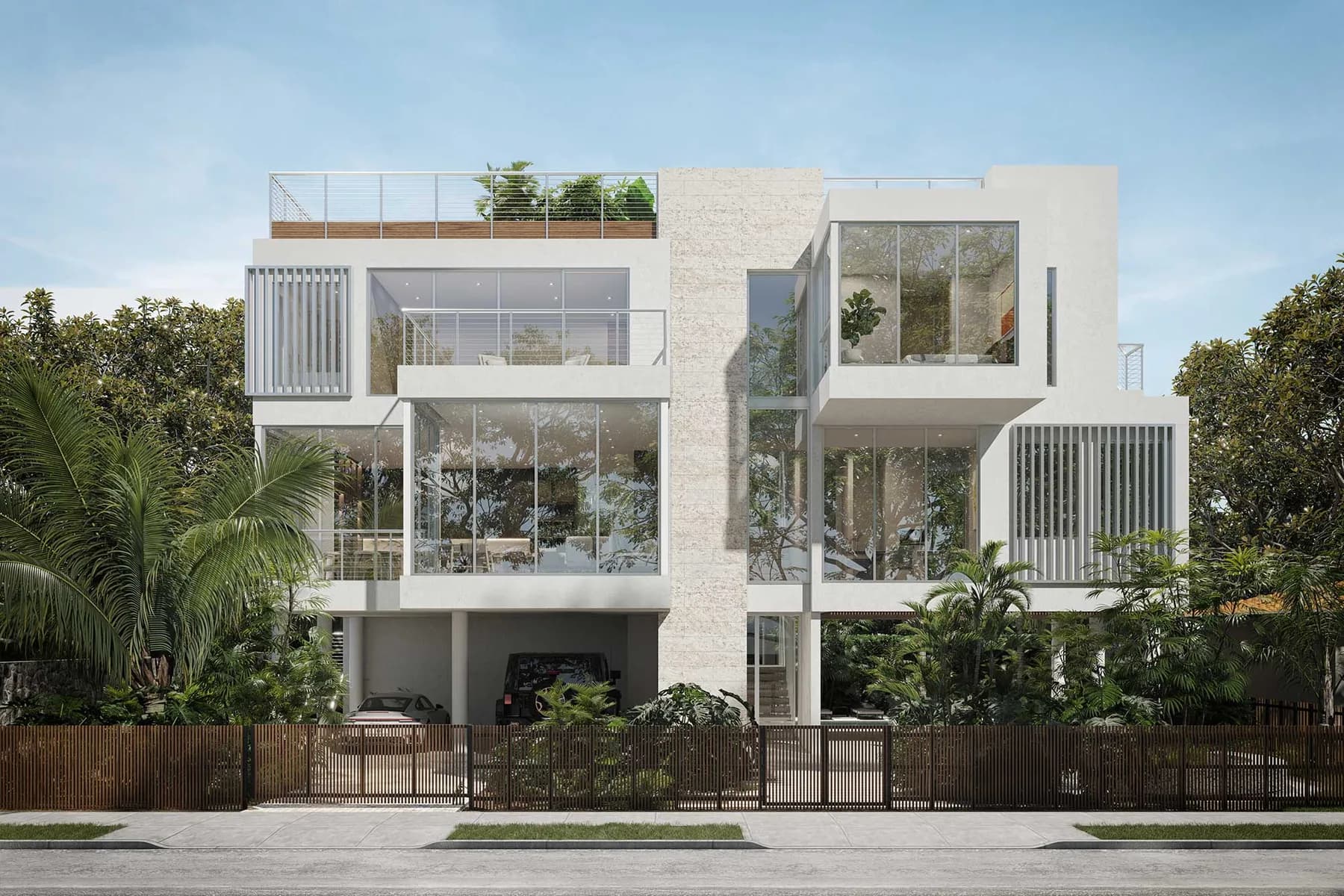
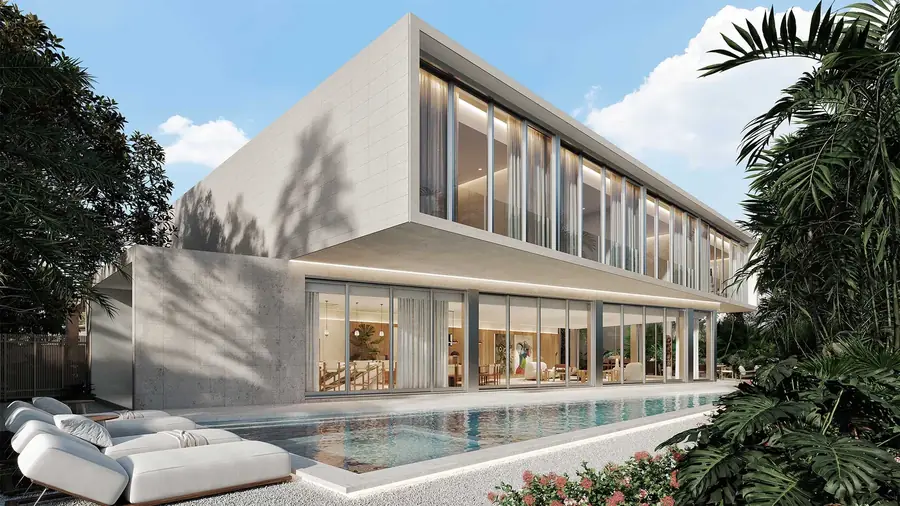
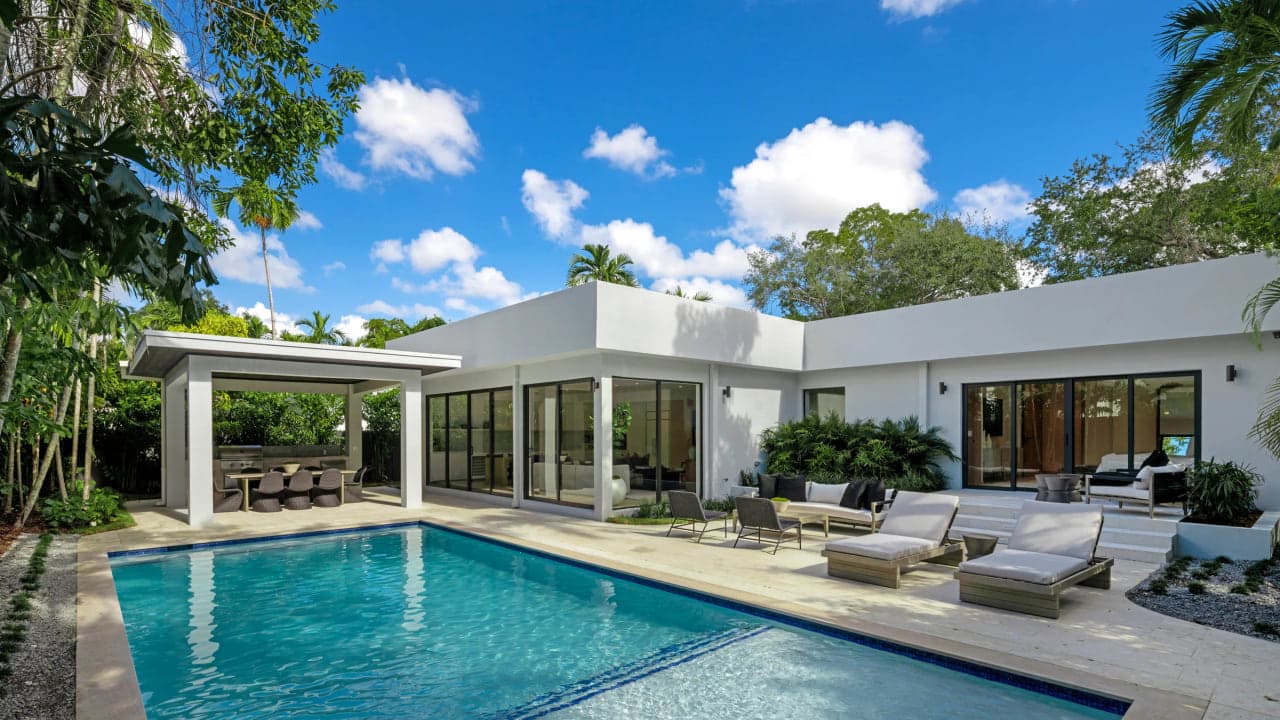
Once the land is right, the finish is where value compounds. Real stone that ages into the home instead of out of it. Impact glass that disappears into the architecture. A kitchen built in Italy, not specified from a catalog. These are the details a serious buyer notices and pays a premium for, because they cannot be added later without tearing the house apart. Cheapening any of them saves a little at build and costs far more at sale.
Why we build boutique, not at volume
We build a handful of homes at a time, on purpose. Same family on every project, hands on every decision, no outsourcing of the parts that matter. That restraint is not a limitation, it is the strategy. Volume forces shortcuts. Boutique protects the craft, and the craft is where the value lives. We would rather finish a few homes properly than start many and compromise all of them.
What an $11.4M Coconut Grove Sale Actually Bought traces this same land-and-craft logic through one closed sale, category by category.
The acquisition logic in this piece is why the land, not the house, is the asset on a Coconut Grove lot: the margin is set by the dirt long before a buyer ever sees the finish.
None of that margin comes from adding square footage. Why a big house is not a luxury home walks through the same discipline from the buyer's side: extra size that is not resolved in proportion and material is not a value add, it is a maintenance liability that never becomes the thing a buyer actually pays a premium for.
Pull quote
Buy the right dirt at the right basis, and the rest of the project has room to breathe. Pay the wrong price for a lot, and no finish will save the deal.
Filed under
Questions about how luxury developers make money
01How do luxury developers actually make money?
The margin is made at acquisition, not construction. Buying the right land at the right basis is the decision that carries the most weight; the finish then protects and compounds that value. Profit is designed into the deal before the build begins.
02Does location or design drive more value in a luxury home?
Location sets the floor under the price and design raises the ceiling. The right block in a neighborhood like Coconut Grove holds value when the market softens, while craft and finish are what earn the premium on top.
03What makes a custom home worth a premium?
Materials and execution that cannot be added later: real stone, impact glass, imported joinery, and finishes installed to last. A buyer pays more for details that are built into the house rather than specified from a catalog.
04Why build a few homes instead of scaling to volume?
Volume forces shortcuts that show up in the finish. Building boutique, a few homes at a time with the same team on every project, protects the craft, and the craft is where lasting value comes from.
Explore the portfolio
Projects to see


Talk to the studio
If this belongs in your home, our studio will draw the plan.
Initial conversation, 30 minutes. We listen to the brief and respond with a scoped proposal within five working days. You can also read the services page for typical timelines and fees.
Written by Samuel Bissu · Developments
Developer and founder of LUXOM Developments · boutique residences in Coconut Grove, Miami
Keep reading
From the journal
Development · Oct 7, 2026 · 2 min
The People Who Built Miami
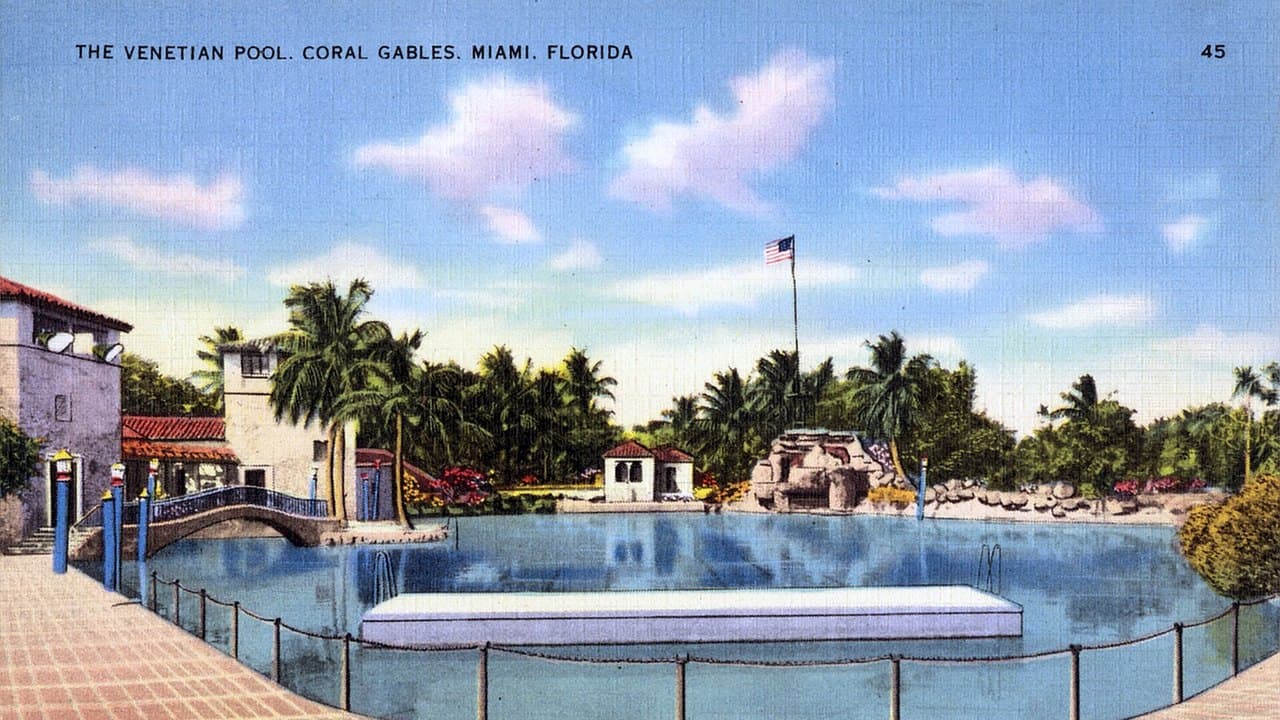
Julia Tuttle, Henry Flagler, Carl Fisher and George Merrick each saw something in South Florida that wasn't there yet. How Miami, Miami Beach and Coral Gables began, one person at a time.
Development · Oct 4, 2026 · 4 min
What a Historic Home Renovation in Miami Actually Requires
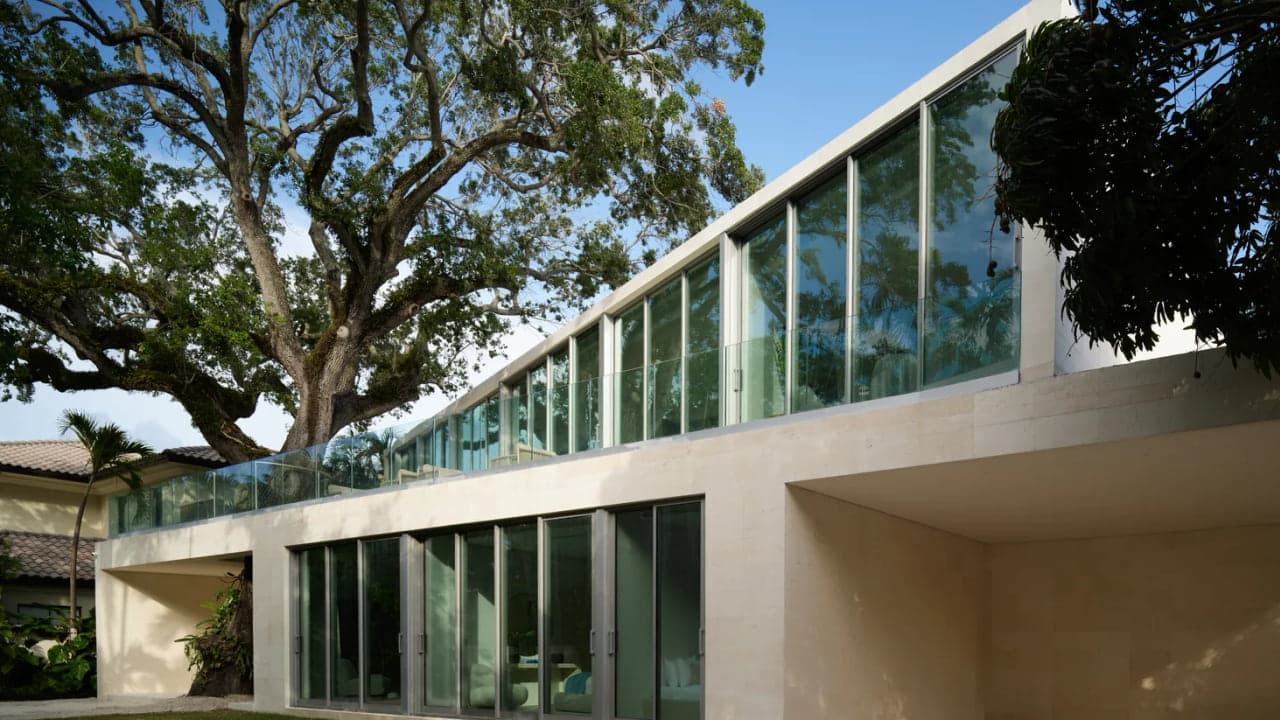
Renovating an older or landmarked Miami home means answering to two reviews at once: the preservation board and the standard permitting process. Here is how the sequence actually works.
Development · Oct 2, 2026 · 4 min
Under Air Square Footage: What Actually Prices a Miami Home
Two Coconut Grove listings can show the same total square footage and sell for very different prices. The gap is almost always the under air number, and here is what it measures.