Miami Beach Art Deco: How It Was Saved and Where to Walk
About eight hundred Art Deco buildings survive in Miami Beach because a group of preservationists refused to let them fall. The story, what to look for and a simple walking route.
Luxom Studio · LUXOM Developments
· 2 min read · Last reviewed
Key takeaways
- The Miami Beach Architectural District holds about eight hundred historic buildings, most of them Art Deco, built largely in the 1930s and early 1940s.
- In the 1970s many of them faced demolition. Barbara Capitman and the Miami Design Preservation League campaigned to save them.
- In 1979 the district was listed on the National Register of Historic Places.
- The pastel color palette people associate with Ocean Drive was introduced in the 1980s, after the district was saved.
Editor's note
Miami Beach has one of the largest collections of Art Deco buildings in the world, and it almost disappeared. This is the walking map we send to anyone who comments DECO on our reel: how the district was saved, what to look for and where to walk.
Miami Beach Built Hundreds of Art Deco Buildings
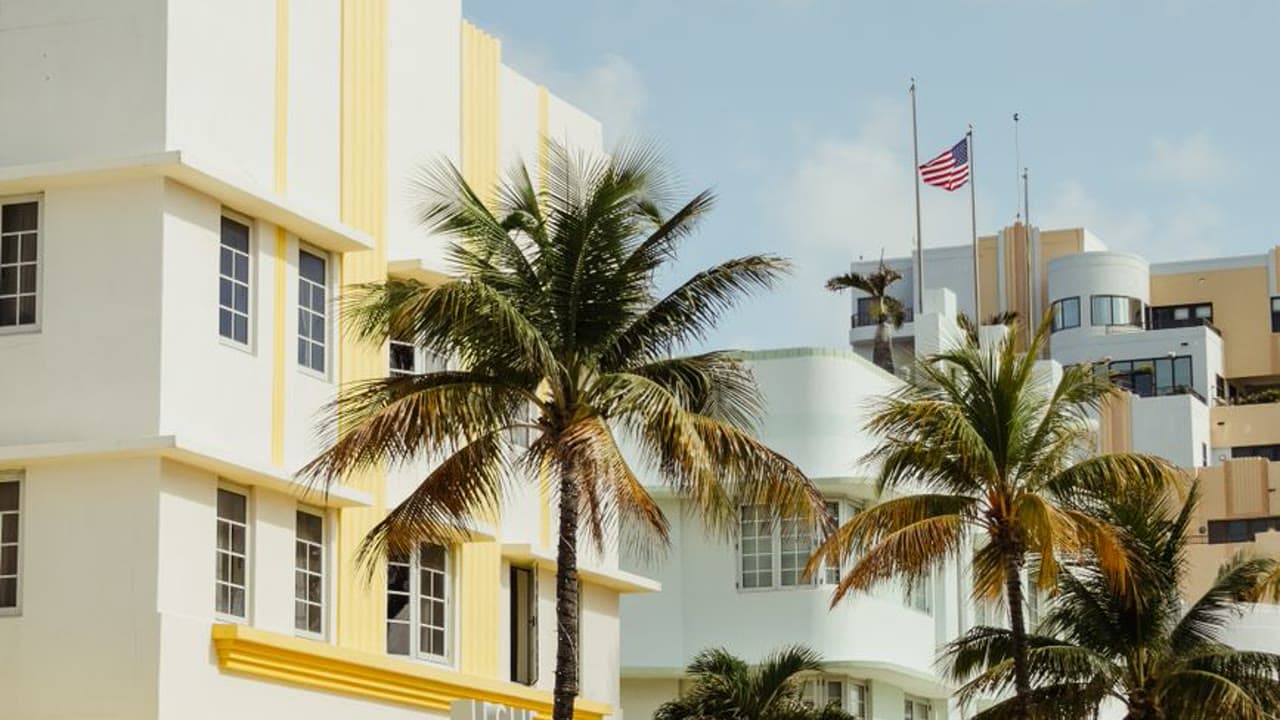
Most of the hotels and apartment buildings in South Beach went up in the 1930s and early 1940s, in a streamlined, tropical version of Art Deco: rounded corners, racing stripes, porthole windows, glass block, terrazzo floors and neon signs. Today the Miami Beach Architectural District includes about eight hundred historic buildings.
In the Seventies, Many Were Headed for Demolition
By the 1970s South Beach had declined, and many of these buildings were seen as worn out and ready to be replaced. Barbara Capitman and the Miami Design Preservation League, founded in 1976, campaigned to protect them, often against strong opposition.
In 1979 the district was listed on the National Register of Historic Places. Not every building was saved, but the core of South Beach was, and it became one of the most recognizable neighborhoods in America.
The Pastel Colors Came Later
The pastel palette people associate with Ocean Drive was not original. Most buildings were white or light colored with accents. In the 1980s the designer Leonard Horowitz introduced the pinks, turquoises and lavenders that helped the district's revival, and the look stuck.
A Simple Walking Route
Start at the Art Deco Welcome Center on Ocean Drive, where the Miami Design Preservation League runs guided tours. Walk south along Ocean Drive past the Colony, the Park Central and the other hotels facing Lummus Park, and look up at the rooflines, the eyebrow ledges over the windows and the neon at dusk.
Then cut over to Collins Avenue and walk north, and finish on Lincoln Road. Go early in the morning for the light, or at night for the neon.
Preservation Is a Design Decision
The district survived because people decided that what already existed was worth more than what could replace it. That is a decision every buyer faces with an older home in Miami. Our guide to historic home renovation in Miami covers how to make it, and MiMo: Miami Modern tells the next chapter of the city's architecture.
Pull quote
The buildings on Ocean Drive are still there because someone cared.
Filed under
Questions about Miami Beach Art Deco district history and walking route
01How many Art Deco buildings are in Miami Beach?
The Miami Beach Architectural District includes about eight hundred historic buildings, most of them in the Art Deco style, making it one of the largest concentrations of Art Deco architecture in the world.
02Who saved the Miami Beach Art Deco district?
Barbara Capitman, with the Miami Design Preservation League she helped found in 1976, led the campaign to protect the buildings. The district was listed on the National Register of Historic Places in 1979.
03Were the Art Deco buildings always pastel?
No. Most were originally white or light colored with accents. The pastel palette was introduced in the 1980s by designer Leonard Horowitz as part of the district's revival.
04Where should I start an Art Deco walk in Miami Beach?
Start at the Art Deco Welcome Center on Ocean Drive and walk south along Ocean Drive, then continue to Collins Avenue and Lincoln Road. The route section has the details.
Explore the portfolio
Projects to see


Talk to the studio
If this belongs in your home, our studio will draw the plan.
Initial conversation, 30 minutes. We listen to the brief and respond with a scoped proposal within five working days. You can also read the services page for typical timelines and fees.
Written by Luxom Studio · LUXOM Developments
The design and development studio behind LUXOM residences in Coconut Grove, Miami
Keep reading
From the journal
Architecture · Oct 7, 2026 · 2 min
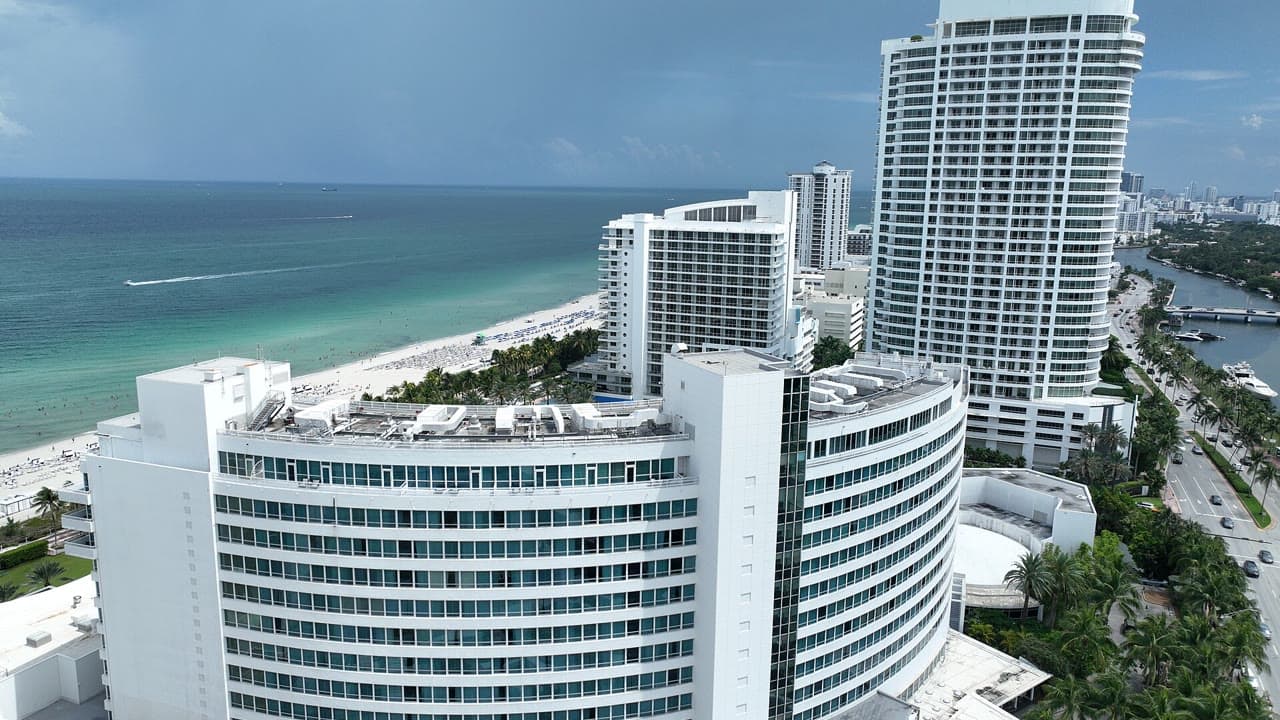
MiMo: Miami Modern, the City's Own Style
Morris Lapidus, the Fontainebleau and a staircase to nowhere. What Miami Modern architecture is, how to recognize it, and where to see it in Miami today.
Development · Oct 7, 2026 · 2 min
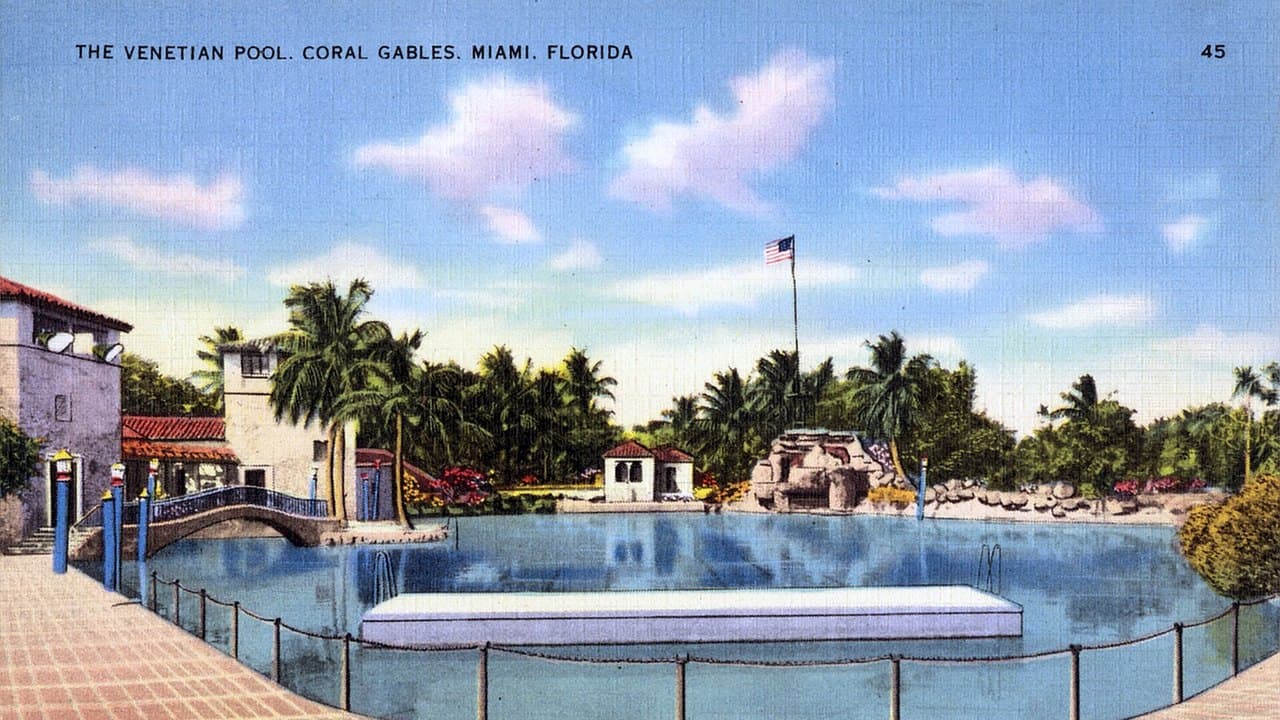
The People Who Built Miami
Julia Tuttle, Henry Flagler, Carl Fisher and George Merrick each saw something in South Florida that wasn't there yet. How Miami, Miami Beach and Coral Gables began, one person at a time.
Architecture · Oct 6, 2026 · 4 min
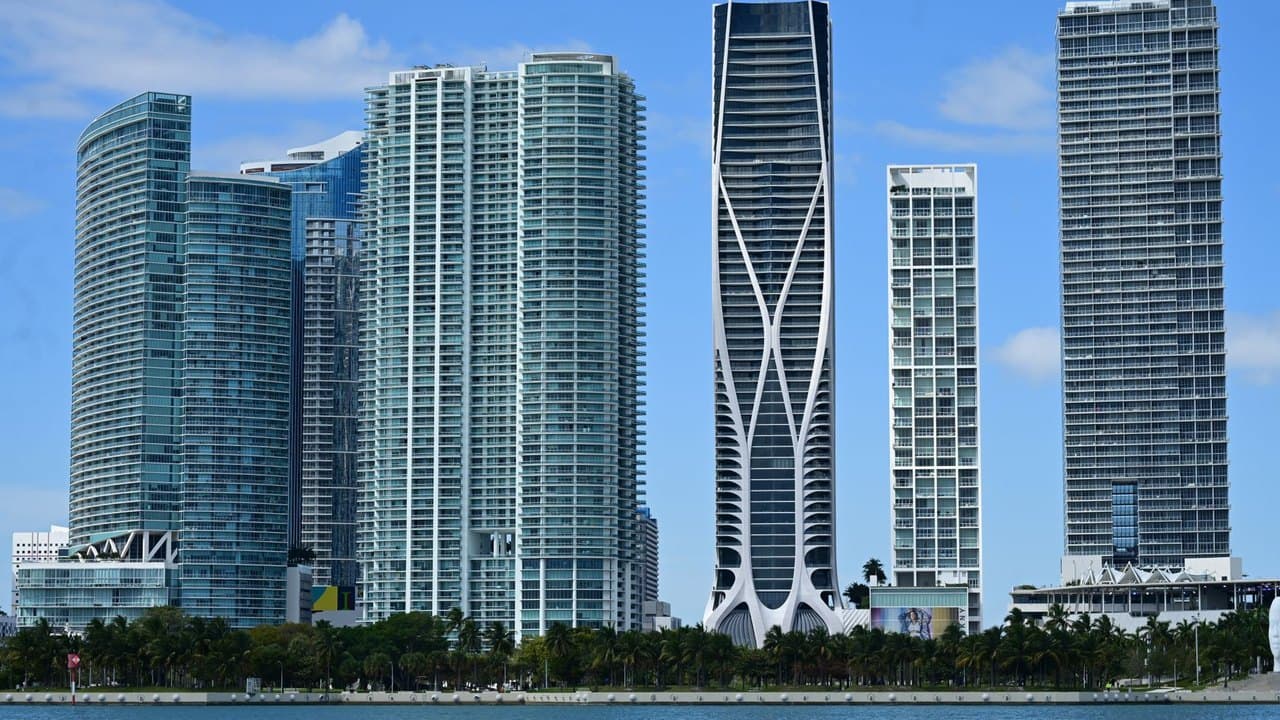
Six Buildings by World Famous Architects in Miami
Zaha Hadid, Frank Gehry, Herzog and de Meuron, Rem Koolhaas, Bjarke Ingels and Renzo Piano all built in Miami. Where each building is, what to look at, and how to see them in one day.