The People Who Built Miami
Julia Tuttle, Henry Flagler, Carl Fisher and George Merrick each saw something in South Florida that wasn't there yet. How Miami, Miami Beach and Coral Gables began, one person at a time.
Luxom Studio · LUXOM Developments
· 2 min read · Last reviewed
Key takeaways
- Julia Tuttle, a landowner on the Miami River, persuaded Henry Flagler to extend his Florida East Coast Railway south, and the railroad reached Miami in 1896, the year the city was incorporated.
- Carl Fisher, an Indianapolis entrepreneur, turned mangrove swamp and sandbar into Miami Beach in the 1910s and 1920s.
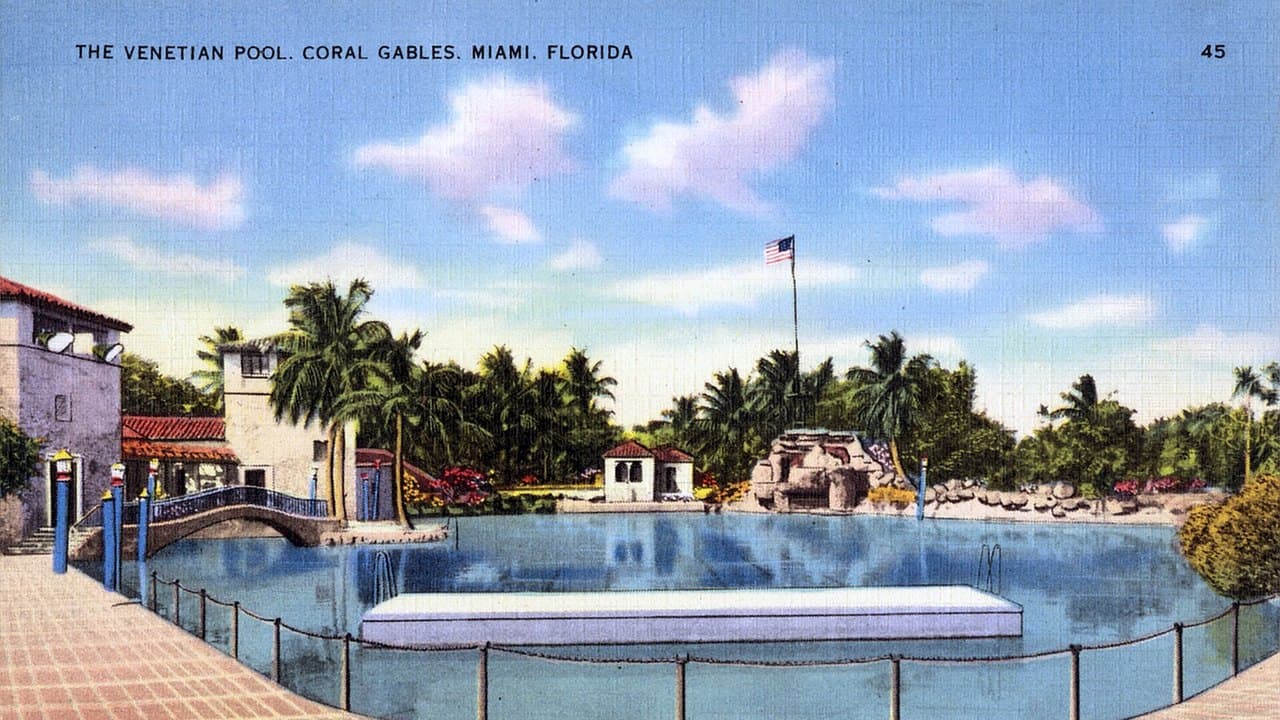
- George Merrick planned Coral Gables in the 1920s as a city of Mediterranean style streets, plazas and fountains, including the Venetian Pool, built in a former coral rock quarry.
- Every one of them started with land and a vision of what it could become, which is still how good development works.
Editor's note
Miami wasn't an accident. Somebody built it. This is the guide we send to anyone who comments FOUNDERS on our reel: the people who saw a city, a beach and a planned suburb where there was swamp, sand and farmland.
Julia Tuttle Brought the Railroad to Miami
Julia Tuttle owned land on the north bank of the Miami River in the 1890s. She wanted a railroad, and the man who could build one was Henry Flagler, whose Florida East Coast Railway ended far to the north.
After severe freezes in the winter of 1894 and 1895 damaged citrus groves across northern Florida, Flagler agreed to extend the line south. Tuttle and other landowners offered him land in return. The railroad reached Miami in 1896, and the City of Miami was incorporated that same year.
Carl Fisher Turned Mangroves Into Miami Beach
Carl Fisher had already made a fortune in Indianapolis when he came to South Florida. Across Biscayne Bay was a barrier island of mangroves and sand, connected to the mainland by a long wooden bridge built by John Collins.
Fisher cleared the mangroves, dredged sand from the bay to build up the land, laid out streets and promoted the island as a winter resort. In the 1910s and 1920s, Miami Beach went from swamp to one of the best known addresses in the country.
George Merrick Planned Coral Gables
George Merrick grew up on his family's citrus plantation southwest of Miami. In the 1920s he turned it into Coral Gables, one of the first fully planned cities in Florida, with Mediterranean style architecture, plazas, entrances and fountains.
Its most famous landmark came from a problem. The coral rock used to build the city left a large quarry, and Merrick turned it into the Venetian Pool, now listed on the National Register of Historic Places.
Every Great Neighborhood Started With One Person
Tuttle, Flagler, Fisher and Merrick worked at a scale no private builder does today. But the logic is the same on a single lot: start with the land, see what it can become, and carry that idea through every decision until it is real.
That is what we still do on every lot in Coconut Grove, one of Miami's oldest neighborhoods. Our guide to land value versus house value explains why the land is always the first decision, and four residences, four ways to live in Coconut Grove shows where that decision leads.
Pull quote
Every great neighborhood started with one person who saw what wasn't there yet.
Filed under
Questions about the founders and developers who built Miami
01Who is considered the mother of Miami?
Julia Tuttle is often called the mother of Miami. She owned land on the north bank of the Miami River and persuaded Henry Flagler to bring his railroad south. It arrived in 1896 and the City of Miami was incorporated the same year.
02Who created Miami Beach?
Carl Fisher is the developer most associated with Miami Beach. Working with John Collins, whose wooden bridge connected the island to the mainland, Fisher cleared mangroves, dredged and filled land, and promoted the beach as a resort in the 1910s and 1920s.
03Who planned Coral Gables?
George Merrick planned Coral Gables in the 1920s on land that had been his family's citrus plantation. He designed it as a planned city with Mediterranean architecture, plazas and fountains. The Venetian Pool, built in a coral rock quarry, is one of its best known landmarks.
04How does this history connect to building in Coconut Grove today?
Coconut Grove is one of Miami's oldest neighborhoods and today most new homes there start with an existing lot. Our guide to land value versus house value explains why the land is still the first decision.
Explore the portfolio
Projects to see


Talk to the studio
If this belongs in your home, our studio will draw the plan.
Initial conversation, 30 minutes. We listen to the brief and respond with a scoped proposal within five working days. You can also read the services page for typical timelines and fees.
Written by Luxom Studio · LUXOM Developments
The design and development studio behind LUXOM residences in Coconut Grove, Miami
Keep reading
From the journal
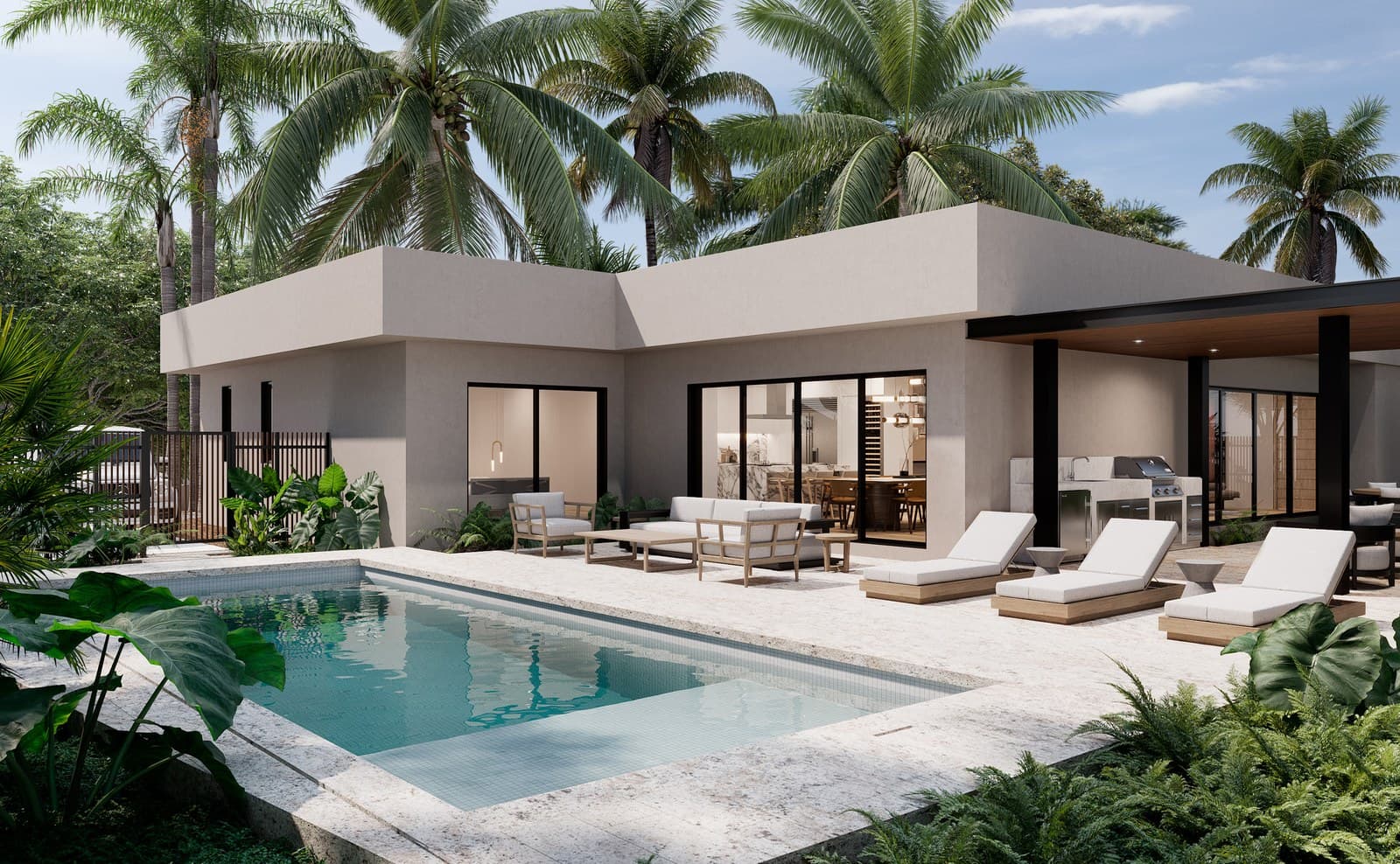
Residences · Aug 8, 2026 · 6 min
Four residences, four ways to live in Coconut Grove
Every Luxom home starts with a question: how do you want to live? Four residences in Coconut Grove, four distinct architectural answers. A closer look at what makes each one different.
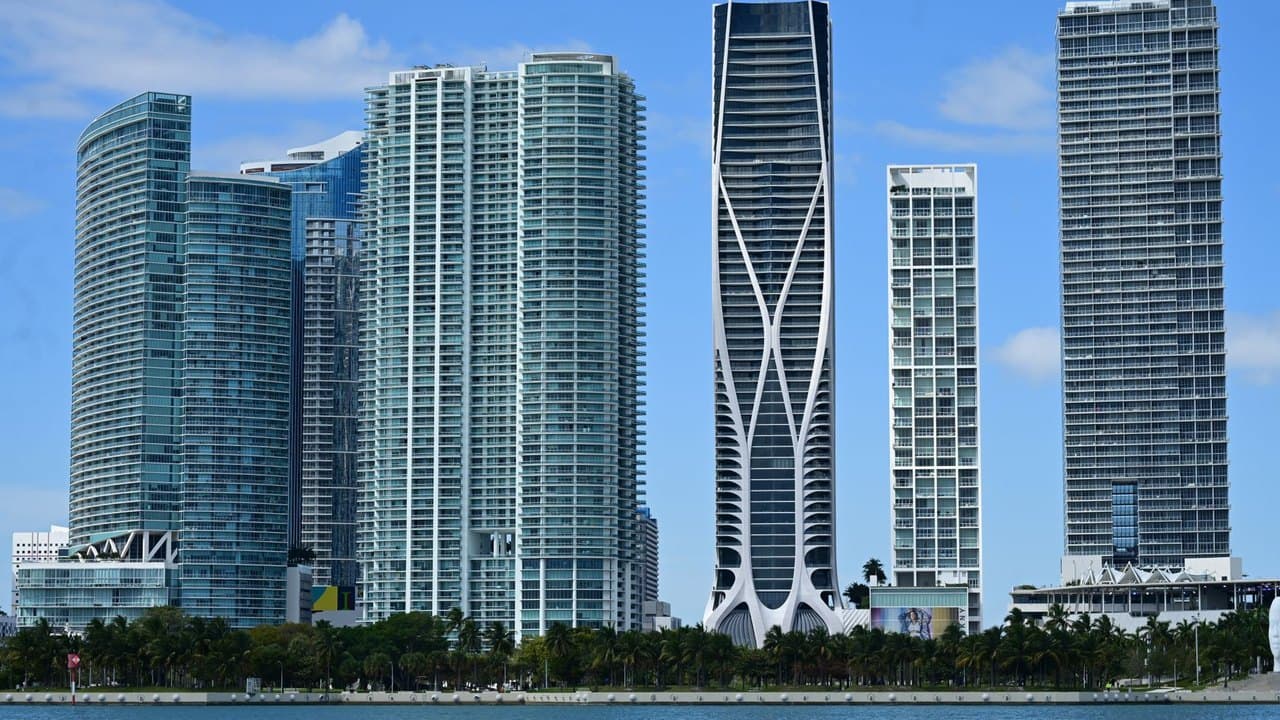
Architecture · Oct 6, 2026 · 4 min
Six Buildings by World Famous Architects in Miami
Zaha Hadid, Frank Gehry, Herzog and de Meuron, Rem Koolhaas, Bjarke Ingels and Renzo Piano all built in Miami. Where each building is, what to look at, and how to see them in one day.
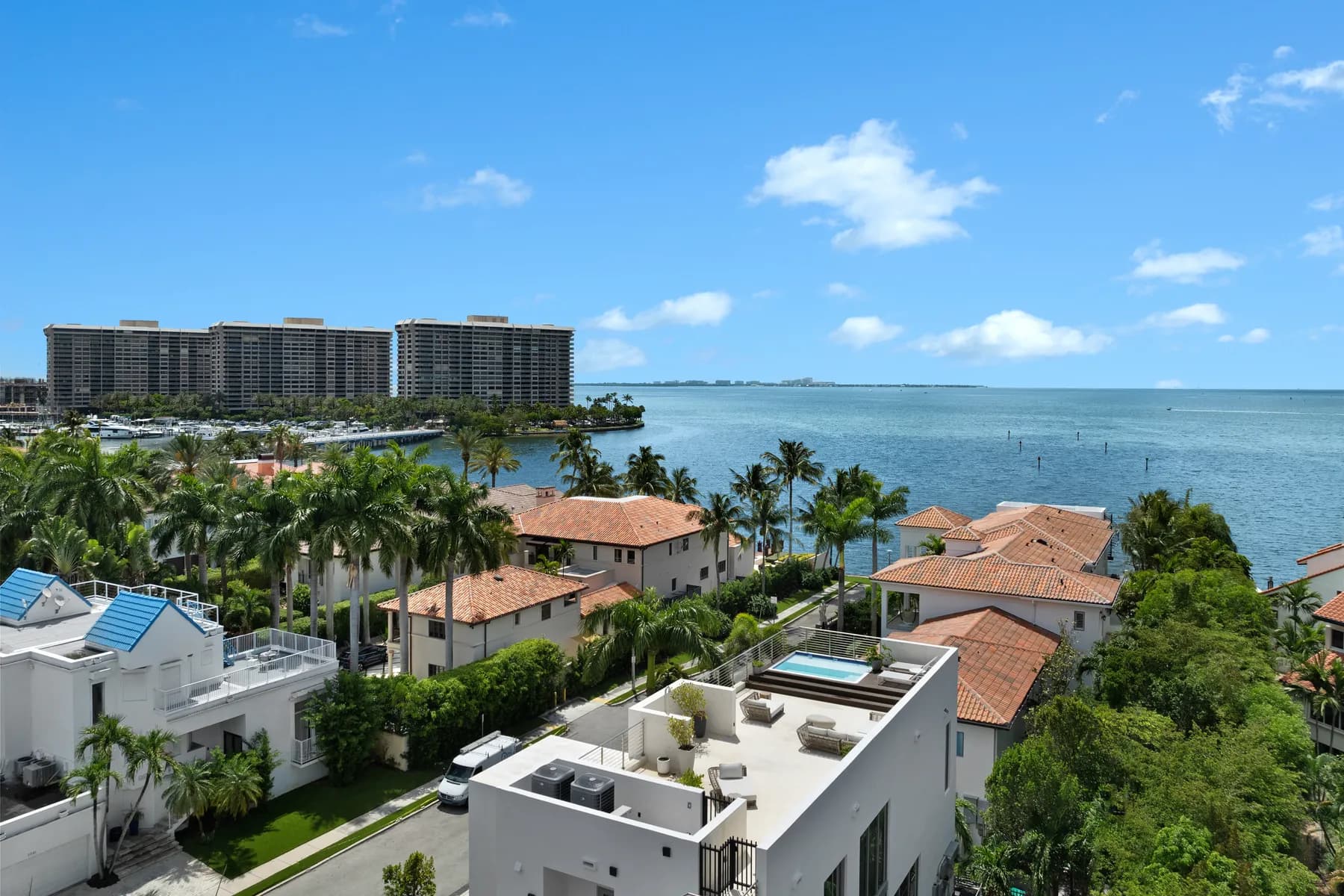
Development · Sep 4, 2026 · 5 min
Why the Land, Not the House, Is the Asset in Coconut Grove
An old or ordinary house on a good Coconut Grove lot rarely moves the price. The land underneath it, and what it is legally allowed to become, is what a buyer is actually paying for.