What Actually Makes a Window Read as Luxury in Miami
Big glass is not the same thing as well designed glass. Why Luxom treats frame material, profile and hurricane rated glazing as the real luxury window decisions, not opening size.
Luxom Studio · LUXOM Developments
· 3 min read · Last reviewed
Key takeaways
- A window reads as luxury through frame material, profile and how the glass meets the wall, not simply through how large the opening is.
- In Miami, a window is also a structural element, required to meet Florida Building Code wind load and impact glazing rules for its zone.
- Slim, thermally broken aluminum and bronze frames read as more refined than bulky vinyl or a heavy mullion grid, because less frame means a cleaner sightline.
- Impact rated laminated glass is required across most of coastal Miami-Dade, so the design choice is which frame and glazing package carries that code without looking heavy.
- Mullion placement is a proportion decision made with the architecture, not a hardware afterthought chosen once the opening is already framed.
Editor's note
Search for luxury window design and the results are curtains, grilles and decor boards. That misses the actual decision. A window reads as expensive or cheap long before anyone hangs a drape on it, decided by the frame material, the profile, and whether the glazing was engineered for Miami's wind load or just dropped into a standard opening.
Why window design is a frame decision, not a size decision
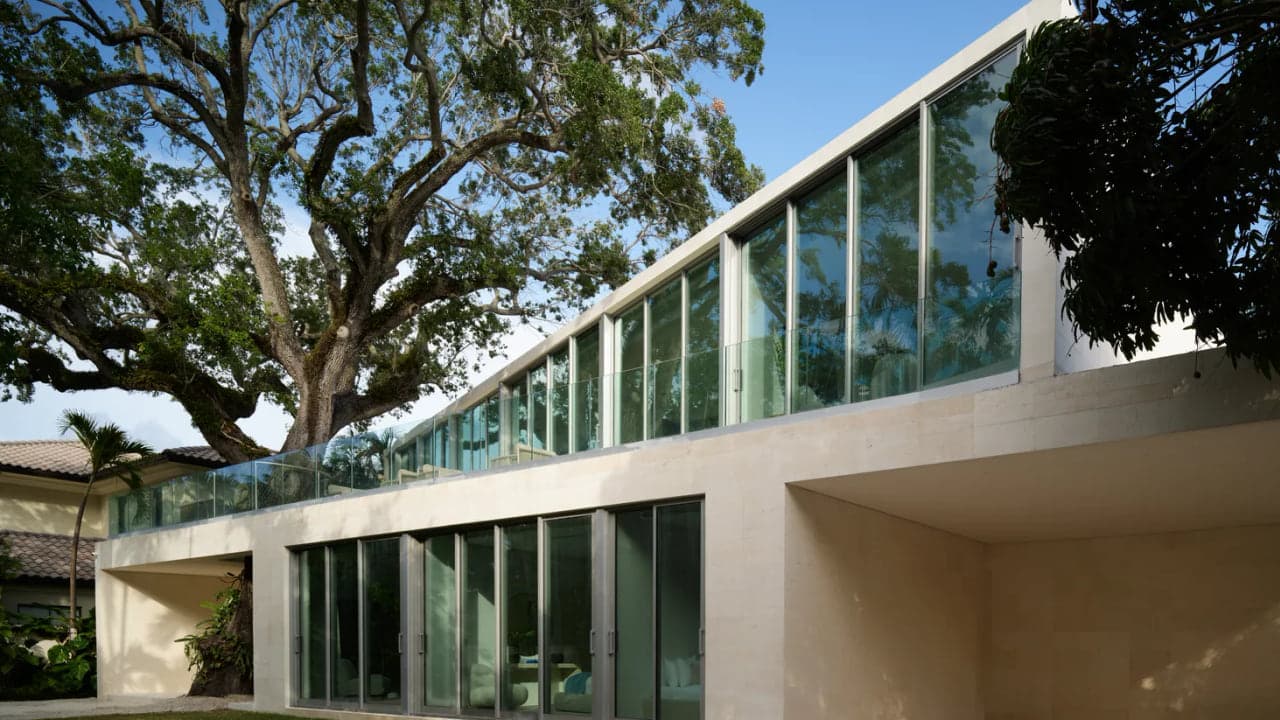
A floor to ceiling opening with a thick, mismatched frame can look heavier than a modest window with a slim, well detailed one. Size is only one variable. Frame material, frame depth, and how the glass meets the surrounding wall decide whether an opening reads as resolved or as an afterthought. This is the same logic behind placing a primary bedroom's floor to ceiling glass on the long wall of the room, where the quality of the detail mattered as much as the quantity of glass.
Why a slim frame reads as more expensive than a heavy one
Thermally broken aluminum and bronze frames can run narrower than standard vinyl or steel sections, which means less visible metal and more uninterrupted glass at the same opening size. A narrow sightline is what makes a wall of glass read as a single plane rather than a grid of small panes. A thick frame, or a dense mullion pattern used to break up a large opening, does the opposite: it chops the view and reads as a cost cutting choice, even on an expensive house.
Pull quote
A window is not more luxurious because it is bigger. It is more luxurious because the frame, the glass and the code requirement behind both of them disappear from view.
Why Florida's hurricane code is a design constraint
Most of coastal Miami-Dade falls under Florida Building Code rules that require impact rated, laminated glazing engineered for the zone's wind load, not standard single pane glass. That requirement touches frame depth, glass thickness and how an opening can be detailed, and it is decided with the structural drawings, not after the shell is framed. Wind load, flood elevation and glazing are worked out together on every Luxom project, the same constraint covered in building a custom luxury home in Miami. The design task is choosing a frame and glazing package that carries that code without reading as reinforced or utilitarian.
Why mullion placement is a proportion decision
A mullion divides a window into separate panes or ties adjoining panels into one opening, and where it falls changes how the whole wall reads. Lined up with a structural column or a floor line, a mullion disappears into the architecture. Placed arbitrarily, to hit a stock glass size or a budget, it reads as a seam that should not be there. Luxom locks mullion lines with the architectural drawings, the same proportion discipline that decides where glass sits within a whole facade, not as a hardware choice made once the opening is already built.
How window design works with facade and orientation, not alone
Frame, glazing and mullion decisions do not happen in isolation. Which wall gets the largest opening is an orientation question, covered in how Luxom orients a house for Miami's light, and how that opening sits within the building's face is a facade question. Window design is the layer that makes both of those decisions look intentional: the right frame, in the right place, carrying the code the house needs, without ever looking like it is working that hard.
Pull quote
A window is not more luxurious because it is bigger. It is more luxurious because the frame, the glass and the code requirement behind both of them disappear from view.
Filed under
Questions about luxury window design in a Miami home
01Does a bigger window automatically look more luxurious?
Not on its own. A large opening with a bulky frame can look heavier than a smaller, well detailed opening, a distinction covered in why window design is a frame decision, not a size decision. The same principle governs where Luxom actually places its largest glass openings based on orientation, where size follows the sun's path, not vanity.
02What makes a window frame read as high end rather than standard?
A slim, thermally broken aluminum or bronze frame with a narrow sightline reads as refined, because less visible frame leaves more uninterrupted glass, a difference explained in why a slim frame reads as more expensive than a heavy one. Thick vinyl frames or a busy mullion grid tend to read as standard builder grade instead.
03Why does Florida building code matter for window design, not just window safety?
In most of coastal Miami-Dade, the Florida Building Code requires impact rated, laminated glazing engineered for the area's wind load, which affects frame depth and glass thickness. Luxom treats that requirement as part of the design brief, the same discipline covered in building a custom luxury home in Miami.
04What is a mullion, and why does its placement matter?
A mullion is the vertical or horizontal bar that divides a window into separate panes or joins adjoining window panels together. Where mullions fall is a proportion decision made with the architecture, explained further in why mullion placement is a proportion decision, the same proportion discipline behind how glass sits within a whole facade.
05Does hurricane rated glass have to look heavy or industrial?
No. Modern laminated glass engineered for Florida's wind load can be paired with a slim aluminum or bronze frame that keeps the sightline narrow, a pairing covered in how window design works with facade and orientation, not alone. The heavy look comes from an uncoordinated frame choice, not from the code requirement itself.
Explore the portfolio
Projects to see


Talk to the studio
If this belongs in your home, our studio will draw the plan.
Initial conversation, 30 minutes. We listen to the brief and respond with a scoped proposal within five working days. You can also read the services page for typical timelines and fees.
Written by Luxom Studio · LUXOM Developments
The design and development studio behind LUXOM residences in Coconut Grove, Miami
Keep reading
From the journal

Development · Jul 23, 2026 · 5 min
Building a custom luxury home in Miami, start to finish
What it takes to build a custom luxury home in Miami, from land and design through permitting and finish. The real sequence, the local constraints, and where a builder earns their keep.
Architecture · Aug 29, 2026 · 7 min
The Facade Is the One Thing the Whole Street Reviews
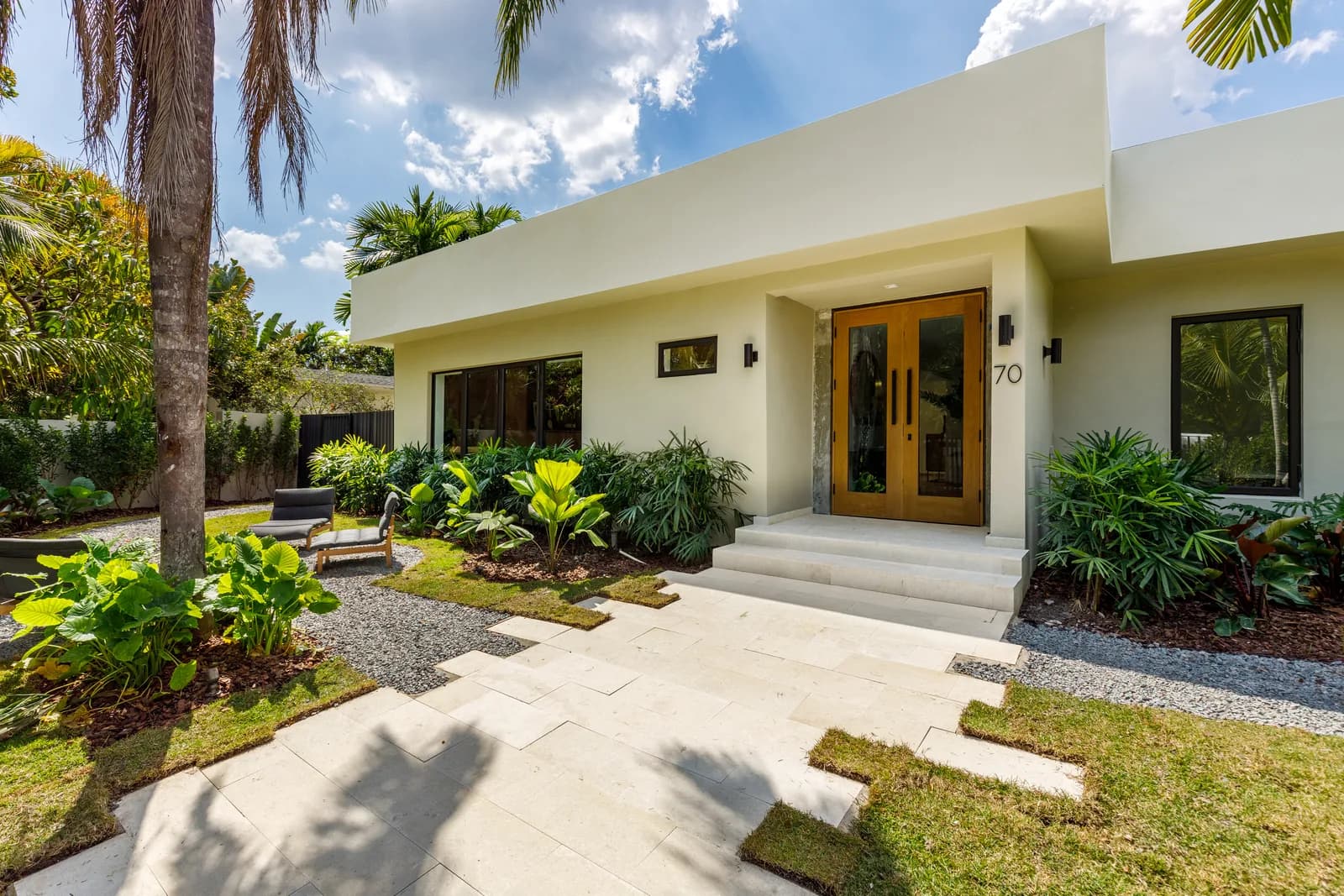
Fourteen Luxom elevations later, the facade comes down to four decisions: white stucco, glass, an oak door and a canopy worth keeping. Here is how those four hold together.
Architecture · Sep 26, 2026 · 3 min
A House That Works With Miami's Light, Not Against It
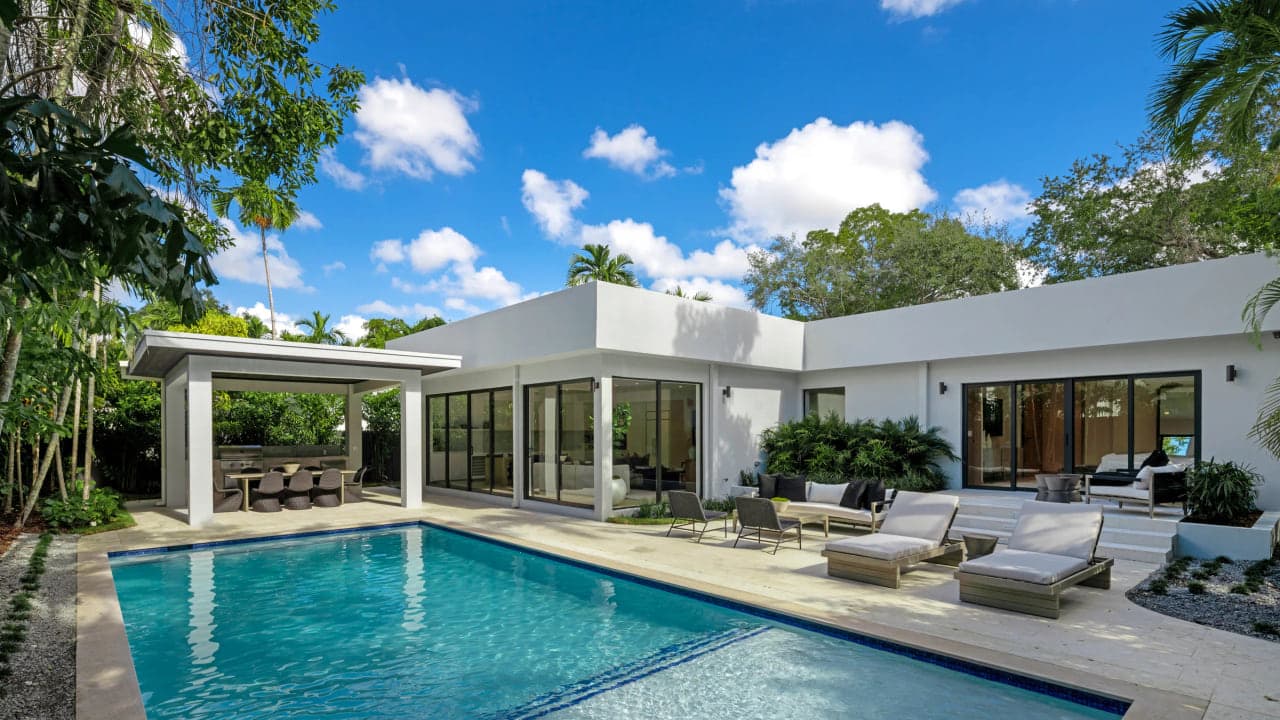
Big windows are not the same thing as good light. Why Luxom decides where glass goes by the sun's path first, and treats orientation as a structural decision, not a finish.