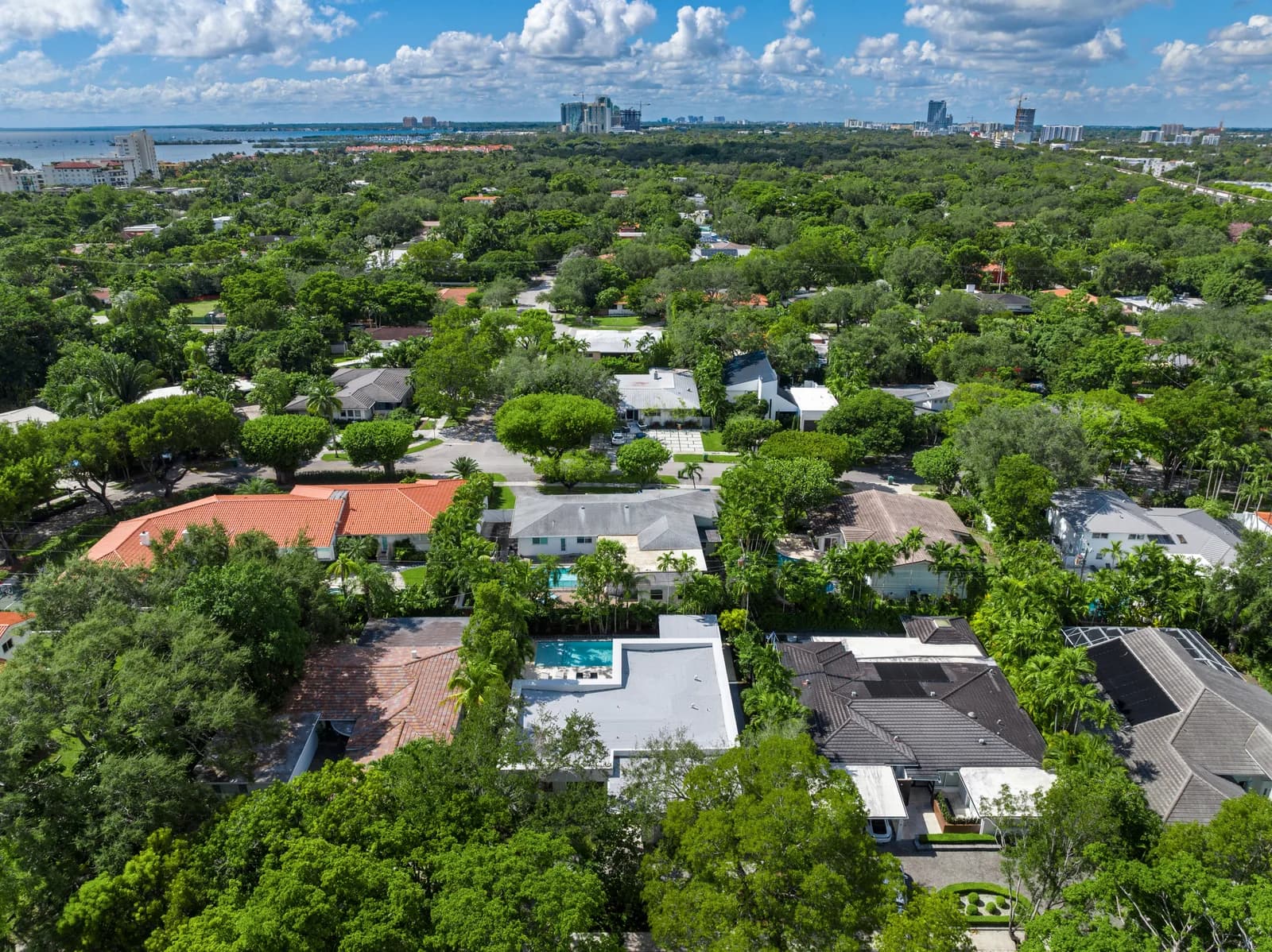
Land assemblage: why we buy the whole row
Sometimes the right site isn't one lot, it's several. Buying adjacent houses on the same row and combining them into one buildable site is how estates that can't be copied get built.
Samuel Bissu · Developments
· 5 min read · Last reviewed
Key takeaways
- Land assemblage means buying several adjacent lots and combining them into one larger site. The combined site is worth more than the individual lots added together, a premium appraisers call plottage.
- We buy the whole row when the estate we're after can't fit on one lot: the site itself, not just the house, is what makes it uncopyable.
- An assemblage deal happens lot by lot, not all at once. Each owner has to be convinced separately, often at a premium, before the last piece falls into place.
- In Miami-Dade, combining lots isn't just a purchase. It requires a recorded Unity of Title before the county will permit the site as one buildable parcel.
- Most developers don't assemble because it's slower and riskier than buying what's already on the market: one holdout owner can stall or kill the whole deal.
From the developer
We posted something short recently: sometimes we buy several houses on the same row and turn them into a single site. It's called assemblage, and it's how estates that can't be copied get built. That's true, and it's worth the fuller version, why the whole row instead of one lot, what actually has to happen to pull it off, and why most developers never bother.
What assemblage actually is
Assemblage is buying two or more adjacent lots and combining them into one larger site. It sounds simple because it is, on paper. What it actually does is create a site that didn't exist a week earlier: wider, more private, shaped differently, capable of supporting an estate that none of the individual lots could hold on their own.
That combined site isn't just the sum of its parts. Appraisers have a name for the premium it creates: plottage, the increase in value that comes specifically from merging parcels into a single, larger one. Three narrow lots sold to three different buyers become three ordinary houses. The same three lots, bought together, become one site wide enough for the kind of estate none of them could support alone.
Why we buy the whole row instead of a single lot
Most of the time, one lot is enough. You buy the right dirt, you build the right house, the site does its job. But some estates aren't limited by the house. They're limited by the lot, and no amount of design solves a site that's too narrow, too exposed, or too close to the neighbors to ever feel private.
When that's the constraint, buying one lot and hoping the house next door never sells isn't a plan. It's a bet you don't control. Buying the whole row while it's actually available is the only way to guarantee the site instead of hoping for it later, at a worse price, from an owner who now knows exactly what you're building toward. That's the same acquisition discipline we've made the case for on a single lot: the margin, and here the site itself, gets decided the day you buy, not the day you break ground. We've written the fuller version of that argument in where luxury developers actually make money.
Pull quote
The site isn't always the lot you already own. Sometimes it's the lot next door, and the one after that.
How an assemblage deal actually comes together
An assemblage doesn't close in one transaction. It closes in several, usually spread over months, each one negotiated separately with an owner who has no obligation to sell on your timeline. The first lot is often the easiest: a motivated seller, a fair price, nothing unusual about the deal. Every lot after that gets harder, because the remaining owners start to understand what's being built around them, and the price reflects it.
That's the real cost of assemblage, and it isn't just money. It's patience. You can't force the last owner on the row to sell, and you can't build the estate without them. The deal comes together lot by lot, at a pace set by the slowest owner to agree, not by the buyer with the clearest plan.
The step that turns several deeds into one buildable site
Buying the deeds is only half the job. Owning four adjacent lots doesn't make them one buildable site; it makes them four lots you happen to own. Miami-Dade County requires a recorded Unity of Title, or a covenant in lieu of one, before it will treat multiple parcels as a single plot for permitting purposes. That document is what actually merges the lots: it legally binds them together so none can be sold or transferred separately again, and it's typically required before the county will issue the building permit for the site as a whole.
It's a small step on paper and an important one in practice. Skip it, or get it wrong, and you own an expensive row of separate lots instead of the single buildable estate you set out to assemble.
Why most developers don't do this
If assemblage creates more value, the obvious question is why every developer doesn't do it. The honest answer is that it's slower and riskier than buying what's already on the market. Every owner in the row has to agree to sell, usually at a premium once they figure out what's being built around them, and a single holdout can stall or kill a deal you've already spent months and real money assembling. Most developers would rather close on one finished lot this quarter than spend a year chasing a site that might never fully come together.
We do it anyway when the estate calls for it, because a site that can't be copied is worth the extra time it takes to buy it correctly. Coconut Grove has seen this play out before: a multi-lot assemblage came to market here as a single $40 million offering, proof that the strategy isn't theoretical in this neighborhood, just uncommon. The right combined site doesn't come up twice, which is exactly why it's worth buying the whole row while you still can.
If you're weighing a lot, or a row of them, against what you actually want to build, our services page walks through how we run that process end to end, and you can start a scoped conversation any time through the contact page. Once the site is settled, the next decision is what actually gets built on it, which our guide on acre vs. hectare lot size can help you measure correctly, and our comparison of building bespoke versus buying existing can help you weigh once the assembled site is ready to build on.
Pull quote
The site isn't always the lot you already own. Sometimes it's the lot next door, and the one after that.
Filed under
Questions about why developers buy multiple adjacent lots (land assemblage)
01Why do developers buy several houses on the same row instead of just one lot?
Because some estates can't fit on a single lot. When the site itself, the width, the privacy, the way the land meets the water, is the point, buying one lot at a time and hoping the neighbors never sell isn't a strategy. Buying the whole row while it's available is how you guarantee the site instead of hoping for it. See how that acquisition logic plays out on a single lot too in where luxury developers actually make money.
02What is land assemblage in real estate?
Assemblage is buying two or more adjacent parcels and combining them into one larger site, usually because the combined site supports something none of the individual lots could on their own: more frontage, more privacy, a shape that actually works for the house you want to build. It's a recognized real estate strategy, not a shortcut, and it shows up anywhere a bigger, better site is worth more than several smaller ones sold separately.
03Why is a combined lot worth more than the individual lots added together?
Appraisers call that premium plottage: the increase in value created specifically by combining parcels, because the merged site can support a use, or a size, that none of the separate lots could reach alone. A wide, private, water-adjacent site is worth more per square foot than three narrow lots sold to three different buyers, because only one of those outcomes lets you build the estate.
04What legally has to happen in Miami-Dade to treat several lots as a single buildable site?
Buying the deeds is only the first step. Miami-Dade County requires a recorded Unity of Title, or a covenant in lieu of one, before it will treat multiple lots as a single plot for permitting. That document legally binds the parcels together so none of them can be sold or transferred separately again, and it's typically a prerequisite for the building permit itself. Buying the land is the easy half; recording it as one site is what makes it buildable.
05Why don't more developers assemble adjacent lots if it creates more value?
Because it's slower and riskier than buying what's already for sale. Every owner in the row has to agree, usually at a premium once they realize what you're building toward, and a single holdout can stall or kill the entire deal after you've already bought the rest. Most developers would rather take a finished lot on the market today than spend a year assembling one that might never come together.
06Has land assemblage actually happened in Coconut Grove before?
Yes. A multi-lot land assemblage in Coconut Grove came to market as a single $40 million offering, confirming it's an established strategy in this exact neighborhood, not a hypothetical one. It's the same reasoning behind buying the whole row: the site is the asset, and in a neighborhood like the Grove, the right combined site doesn't come up twice.
Explore the portfolio
Projects to see


Talk to the studio
If this belongs in your home, our studio will draw the plan.
Initial conversation, 30 minutes. We listen to the brief and respond with a scoped proposal within five working days. You can also read the services page for typical timelines and fees.
Written by Samuel Bissu · Developments
Developer and founder of LUXOM Developments, boutique residences in Coconut Grove, Miami
Keep reading
From the journal
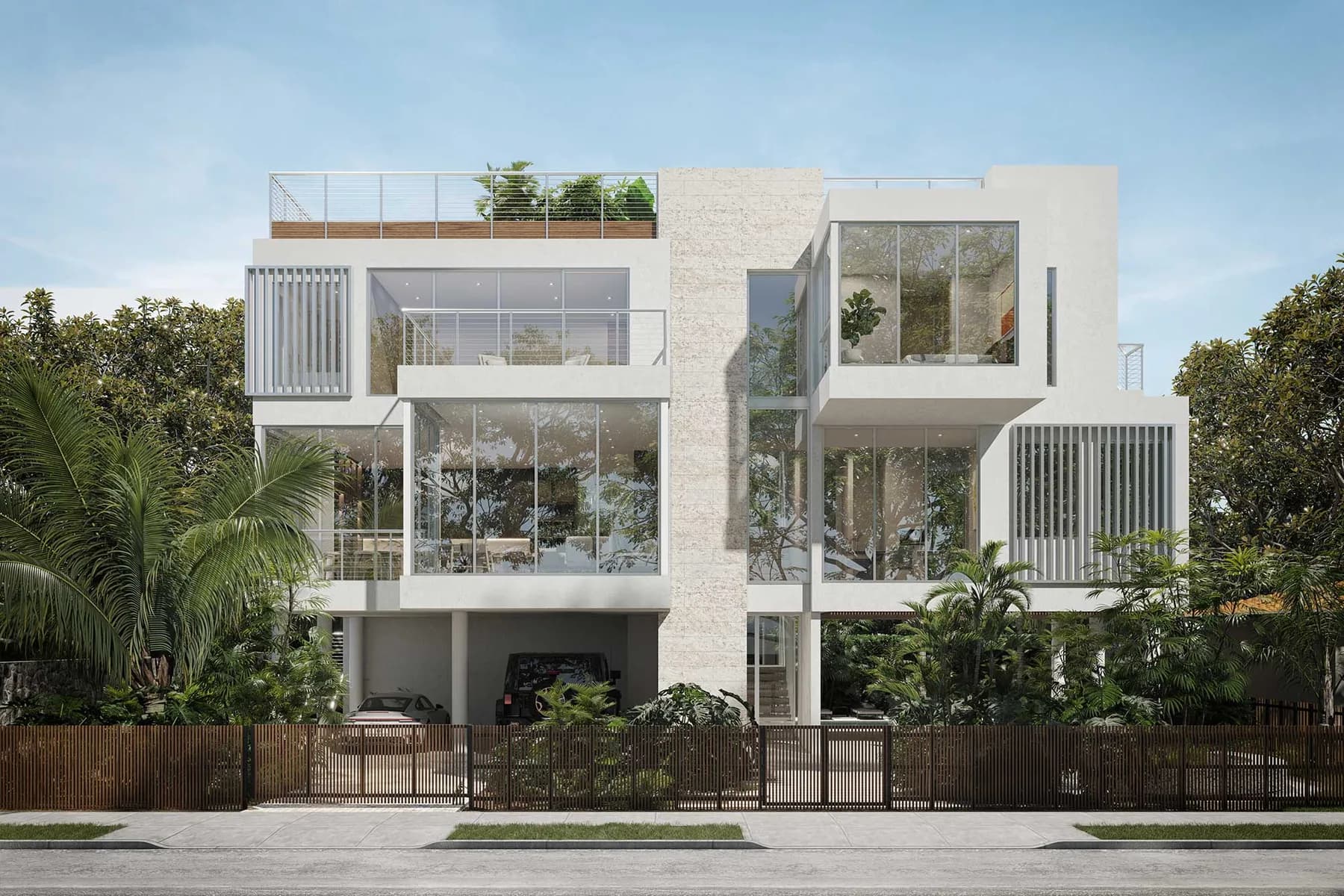
Development · Jul 8, 2026 · 3 min
Where luxury developers actually make money
It isn't the house. The margin is decided the day you buy the land, and protected by everything you refuse to cheapen.
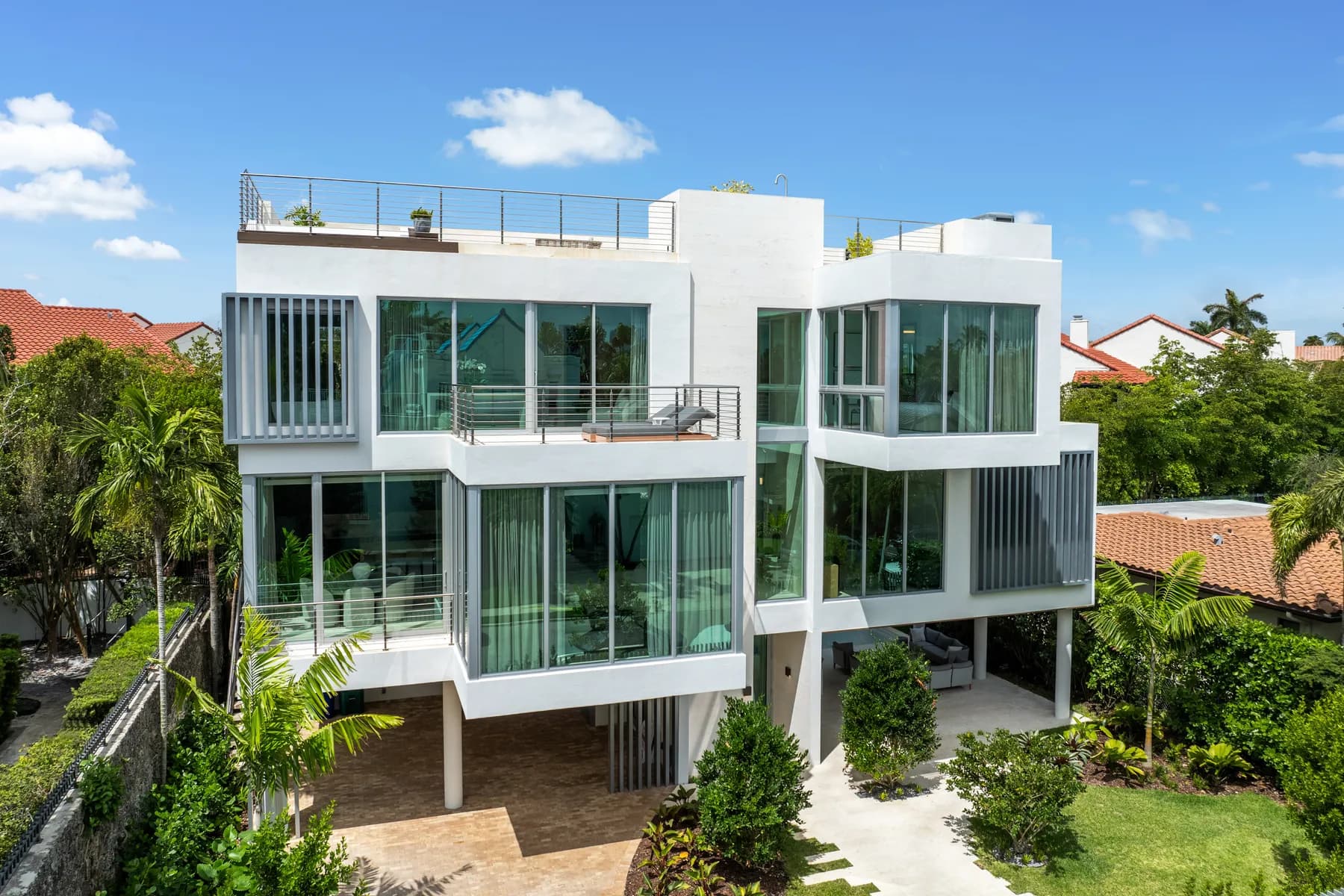
Guides · Aug 1, 2026 · 5 min
Acre vs Hectare: What a Coconut Grove Lot Actually Measures
An acre and a hectare are not close in size, and mixing them up changes how a Coconut Grove lot compares to a listing abroad. Here is what each unit actually measures.
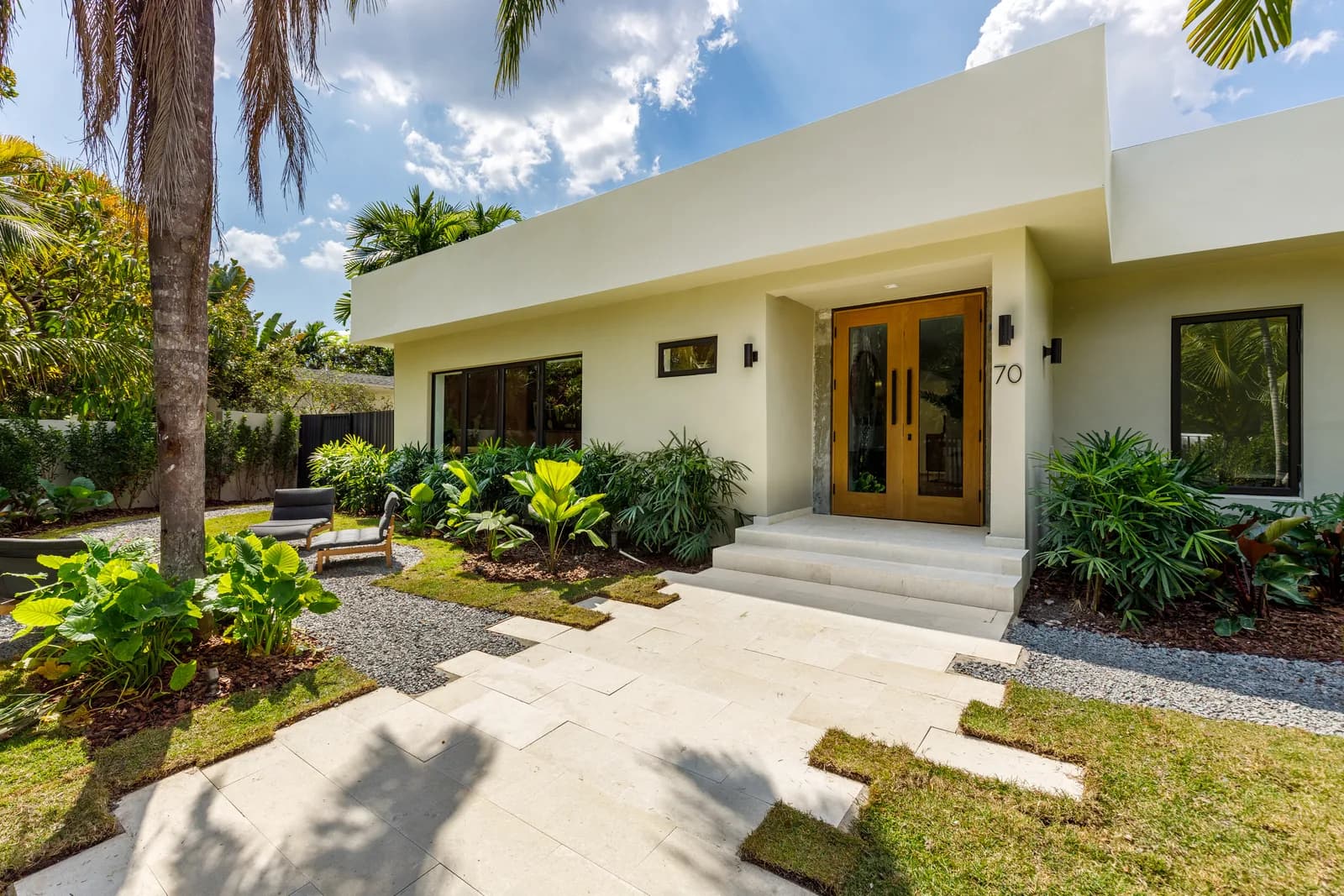
Development · Aug 3, 2026 · 5 min
Building bespoke vs. buying existing: what you actually inherit
What buying an existing house in Coconut Grove actually hands you, and what building bespoke removes: the layout, the finishes and the compromises you never chose.