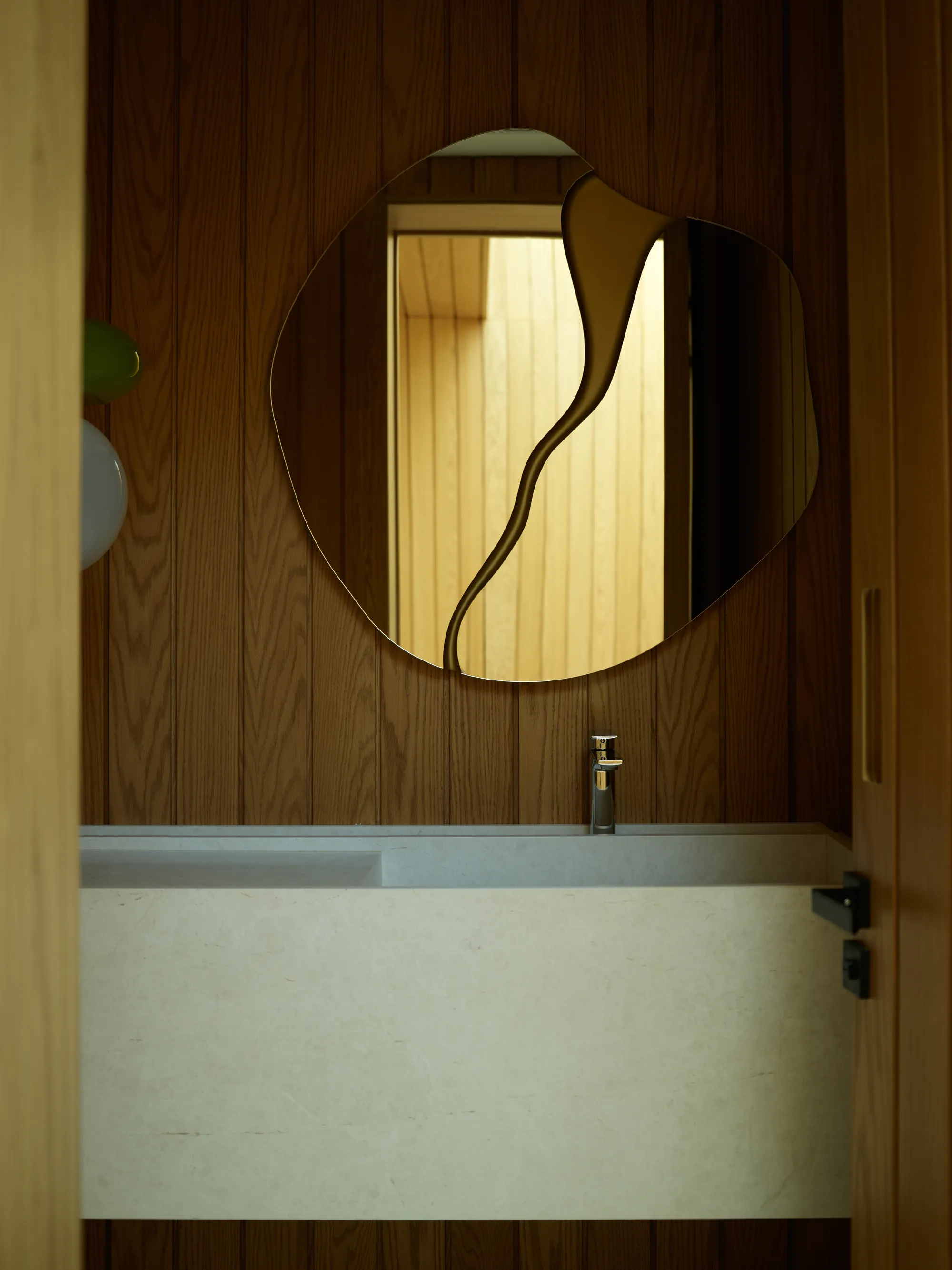
Limewash: the finish behind the quiet-luxury wall
The mineral paint that gives a wall depth instead of a coat of color. What limewash is, why it reads as quiet luxury, where to use it, and how it ages.
Luxom Studio · LUXOM Developments
· 4 min read · Last reviewed
Key takeaways
- Limewash is a mineral paint made from slaked lime and water. It soaks into the wall rather than sitting on top of it, which gives the surface soft, cloudy depth instead of a flat film.
- Limewash reads as quiet luxury because it moves with the light. The color shifts slightly across a wall and through the day, so the room feels alive without any pattern or gloss.
- It belongs on plaster, masonry and porous surfaces. Limewash breathes, resists mold and is naturally alkaline, which suits humid interiors well when the substrate is prepared correctly.
- Limewash ages by weathering into character rather than chipping. It fades and mellows over years, and it can be refreshed with another wash instead of a full strip and repaint.
- The finish is only as good as the hand. Limewash is applied in cross-hatched coats by brush, and the movement and evenness depend entirely on the applicator, not the can.
Editor's note
Look closely at the interiors that people describe as calm and expensive, and you will often find the same wall finish behind them. Not a color, exactly, but a surface with depth: soft, cloudy, faintly moving as the light changes. That is limewash, and it has quietly become one of the defining finishes of the material-led home.
It is also one of the most misunderstood. Limewash is not a paint color you pick from a chart and roll on. It is a mineral finish with its own logic about where it belongs, how it goes on, and how it earns its character over time. This is what it actually is, and how to use it well.
Limewash is a mineral finish, not a paint color
Conventional paint is a film. Pigment suspended in a binder that dries into a thin plastic skin sitting on top of the wall, sealing it and giving you a flat, even tone. Limewash works the other way. It is slaked lime and water, sometimes with natural pigment, and it soaks into a porous surface and cures back into limestone as it reacts with the air. The color becomes part of the wall rather than a coat over it.
That difference is everything. Because the pigment lives inside the surface, the wall reads with depth and slight variation, the soft cloudiness that a flat paint can never fake. It is closer to plaster than to paint, which is why it belongs in the same conversation as the hand-applied surfaces of a quiet luxury home.
Why it reads as quiet luxury
Quiet luxury is built on surfaces that answer the light instead of fighting it, and limewash does exactly that. A limewashed wall shifts gently through the day, warmer in morning light, deeper in shadow, never quite the flat block of color a roller leaves. The eye registers that movement as richness even when it cannot name the cause. There is no gloss, no pattern, nothing announcing itself, just a wall with more going on than it lets on.
That restraint is the point. In a room stripped of ornament, the wall itself has to carry weight, and limewash gives it presence without a single decorative gesture. It is the same discipline we describe in quiet luxury: remove the loud elements, then make the quiet ones extraordinary.
Where it belongs
Limewash bonds with porous mineral surfaces: lime and cement plaster, brick, stone, and walls already washed with lime. On those it performs for years. It is at home in living rooms, bedrooms and hallways, anywhere you want a calm surface with depth. It struggles on non-porous or flexing surfaces such as gloss-painted drywall, timber and metal, which need a mineral bridging primer first, and it is not a finish for the inside of a shower.
Climate matters too. Limewash breathes and is naturally alkaline, so it resists mold and mildew when the wall is allowed to move moisture through it, which suits a humid coastal home when the substrate is right. On exterior masonry it develops a particularly beautiful weathered patina, a subject we take up in limewash on brick.
How it ages, and what it asks in return
The strongest argument for limewash is how it grows old. Paint fails: it chips, peels and yellows, and the remedy is always to strip and start over. Limewash mellows instead. It fades slightly, softens, and any wear reads as character rather than damage. When you want it renewed, another thin wash goes straight over the old one, with no sanding or stripping, so upkeep adds rather than removes.
In exchange, limewash asks for the right hand and a little patience. It is applied in cross-hatched brush coats, and the evenness of the cloudiness depends entirely on the applicator, not the bucket. It is also softer to the touch than sealed paint until it fully cures. Treated as the living finish it is, it repays the care by looking better in ten years than the day it went on. You can see how we specify finishes like this across our projects, and it sits squarely inside the palette we map in Trends 2026.
Limewash is one of five finishes we reach for instead of paint. See how it stacks up against Venetian plaster, microcement, fluted wood and book-matched marble in five walls that aren't painted.
Pull quote
A painted wall gives you a color. A limewashed wall gives you a surface that answers the light.
Filed under
Questions about limewash paint
01What is limewash paint?
Limewash is a mineral paint made from slaked lime (calcium hydroxide) blended with water and, often, natural pigment. Unlike conventional paint, which forms a plastic film on the surface, limewash penetrates a porous wall and bonds with it as the lime cures back into limestone. The result is a matte, chalky finish with soft cloudy movement, closer to a plastered surface than a rolled coat of color. It has been used on masonry and plaster for centuries, valued for how it breathes and how it ages. Because the pigment sits within the wall rather than on it, the color reads with depth and shifts subtly across the day. That living quality is why limewash has become a signature of quiet, material-led interiors. For the broader material language it belongs to, see our reading of quiet luxury.
02Where should limewash be used, and where should it not?
Limewash belongs on porous, mineral surfaces: lime and cement plaster, brick, stone, and previously limewashed walls. On these it bonds chemically and performs for years. It is well suited to living rooms, bedrooms, hallways and feature walls where you want depth and calm. It is less suited to surfaces that flex or repel water, such as gloss-painted drywall, timber or metal, unless they are primed with a mineral bridging coat first. High-splash zones like shower interiors are not its place, though it can work on bathroom walls away from direct water. The substrate decides everything, so the wall has to be clean, sound and correctly prepared. Limewash also reads beautifully on exterior masonry, which we cover in limewash on brick. If you are choosing finishes for a whole home, our interior design service plans them room by room.
03How does limewash age over time?
Limewash ages by weathering, not by failing. Conventional paint eventually chips, peels or yellows, and the only fix is to strip and repaint. Limewash mellows: the color softens, the surface develops a gentle patina, and any wear reads as character rather than damage. When you want to refresh it, you apply another thin wash straight over the old one, with no sanding or stripping, so maintenance is additive rather than destructive. It is naturally alkaline, which discourages mold and mildew, a real advantage in humid climates when the wall is built to breathe. The tradeoff is that limewash is more delicate to the touch than a sealed paint and can rub off if handled roughly before it fully cures. Treated as the living finish it is, it holds up for years and only improves. It sits comfortably in the palette we describe in Trends 2026.
04How is limewash applied?
Limewash is brushed on in thin, cross-hatched coats, usually two or three, with each layer allowed to dry before the next. The movement comes from the hand: the applicator works the wash in overlapping strokes so the finished wall has soft variation rather than a flat, uniform tone. The substrate is dampened first on very absorbent surfaces so the lime cures evenly instead of drying too fast. Because the effect depends on technique, two crews can produce very different walls from the same bucket, which is why limewash is a craft finish rather than a product you simply roll on. Curing continues for days as the lime reacts with air and hardens back toward stone. Getting the cloudiness right, even and intentional rather than patchy, is the whole skill. Our team specifies and supervises this work directly, which you can see across our projects.
05Is limewash the same as Venetian plaster or microcement?
No, though they are often grouped together as artisanal wall finishes. Limewash is a paint: a thin mineral coat that colors and textures an existing wall while keeping it flat to the touch. Venetian plaster is a troweled lime plaster built up in layers and burnished to a smooth, sometimes polished depth with visible movement. Microcement is a thin cementitious coating applied over almost any substrate to create a seamless, harder-wearing surface for walls and floors. In short, limewash sits on the wall as color and light, Venetian plaster becomes the wall as sculpted depth, and microcement wraps the wall as a continuous skin. They can be used in the same home for different rooms and jobs. If you are weighing them, Venetian plaster and microcement each get their own reading, and our contact page is open if you want help choosing.
Explore the portfolio
Projects to see


Talk to the studio
If this belongs in your home, our studio will draw the plan.
Initial conversation, 30 minutes. We listen to the brief and respond with a scoped proposal within five working days. You can also read the services page for typical timelines and fees.
Written by Luxom Studio · LUXOM Developments
The design and development studio behind LUXOM residences in Coconut Grove, Miami
Keep reading
From the journal
Materials · Oct 8, 2026 · 5 min
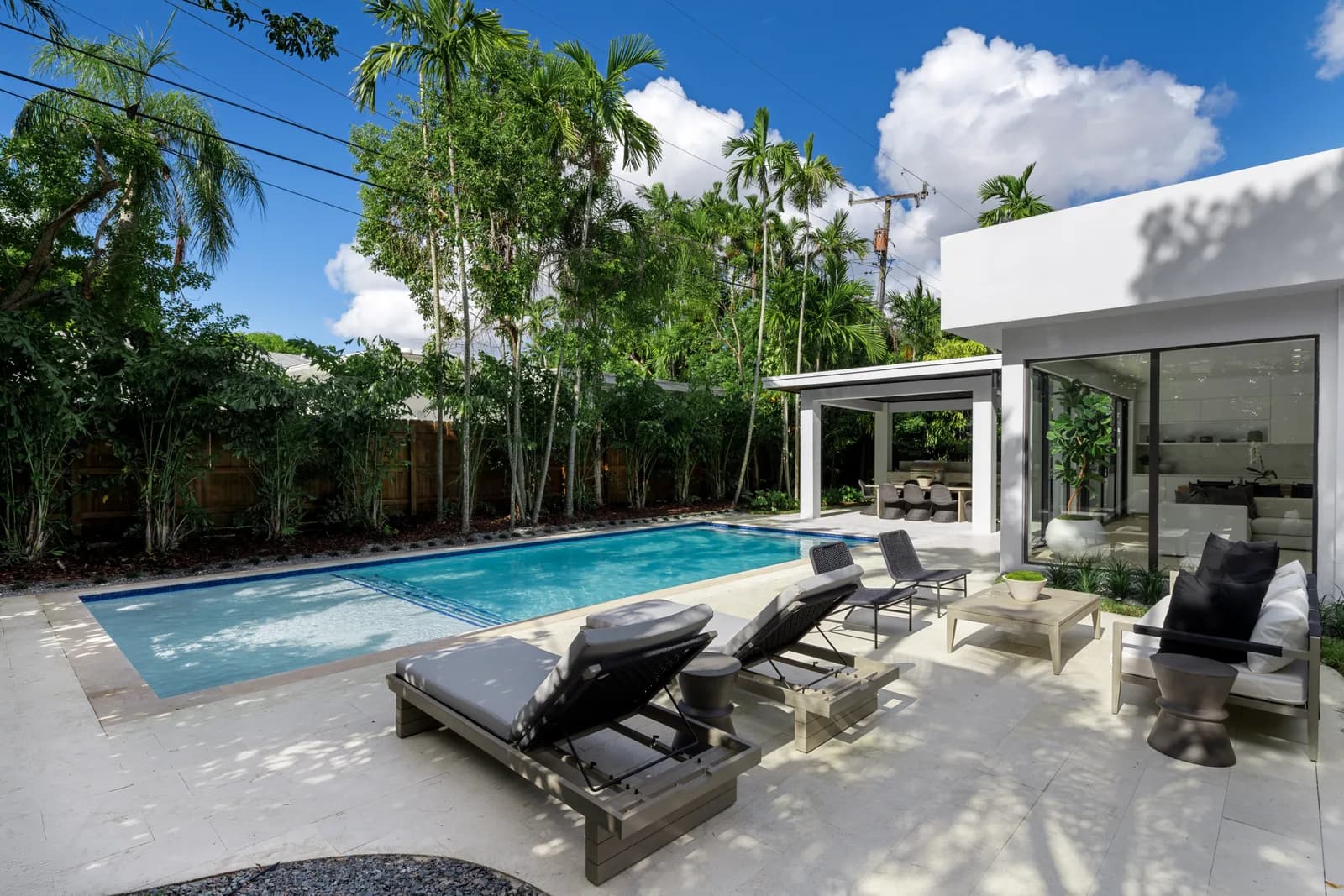
Decking Near the Water: Five Materials and What Salt Air Does to Each
Ipe, teak, travertine, porcelain and composite. How each decking material handles salt air, sun and pool water in Miami, and the maintenance schedule you are really choosing.
Materials · Oct 8, 2026 · 5 min
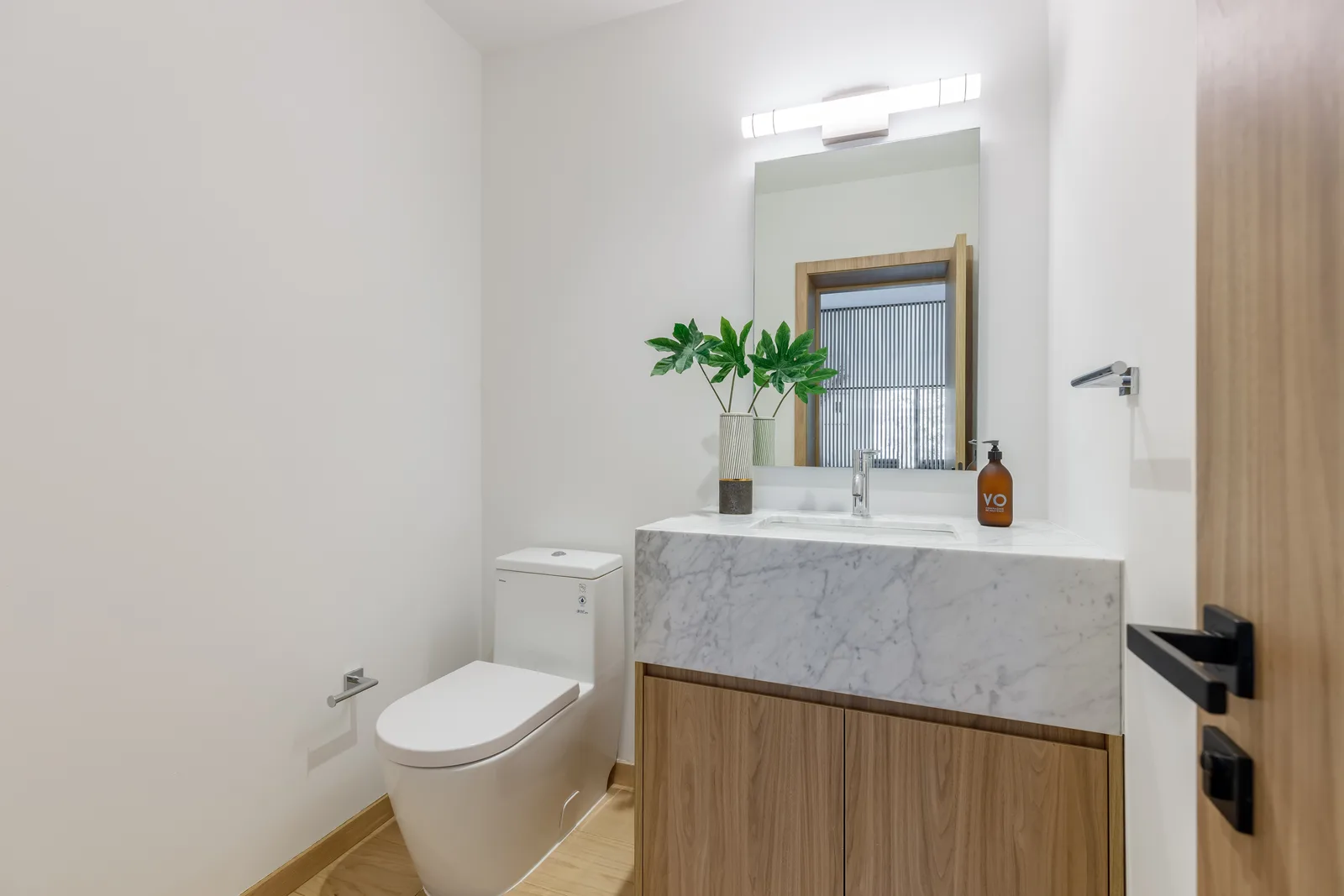
Hardware Finishes: Five Metals and the One That Ages on Purpose
Unlacquered brass, polished nickel, matte black, chrome and bronze. How each hardware finish wears, which ones date, and why unlacquered brass is the one that gets better with use.
Materials · Oct 5, 2026 · 5 min
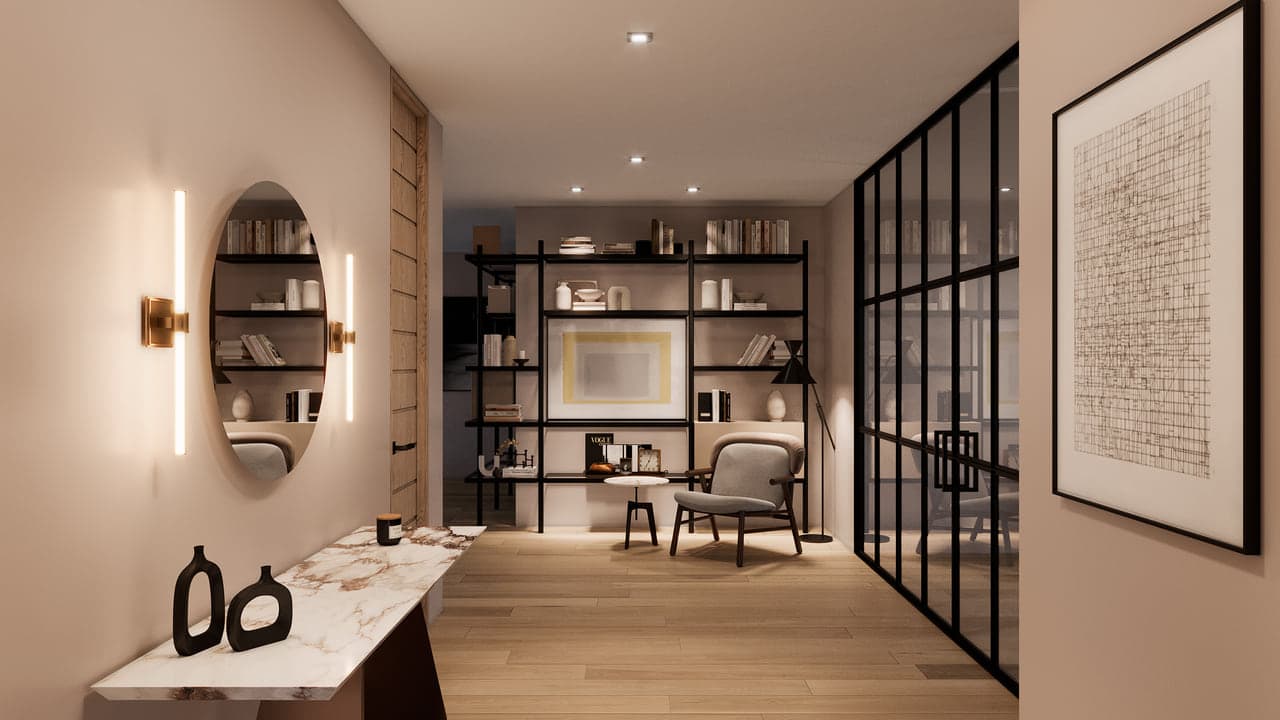
How to Choose a Warm Wood Floor (and What It Should Pair With)
A warm wood floor is an undertone decision, not a stain color. Species, finish, plank width and the Miami humidity question, and how the floor is matched to the rest of the room rather than picked alone.