Four Architecture Quotes and What They Really Mean
Less is more, form follows function, a machine for living in, God is in the details. Where each line comes from, what it actually meant, and how it shows up in a Miami home.
Luxom Studio · LUXOM Developments
· 3 min read · Last reviewed
Key takeaways
- Less is more is most closely associated with Mies van der Rohe, though the phrase appears earlier in a Robert Browning poem from 1855.
- Form follows function comes from Louis Sullivan's 1896 essay on the tall office building, where he wrote that form ever follows function.
- Le Corbusier called the house a machine for living in, in his 1923 book Vers une architecture.
- God is in the details is most often credited to Mies van der Rohe, although its exact origin is uncertain.
Editor's note
Four sentences shaped how the modern world lives. This is the guide we send to anyone who comments LESSISMORE on our reel: where each line comes from, what it really meant, and how it shows up in a house in Miami.
Less Is More Was a Discipline, Not a Style
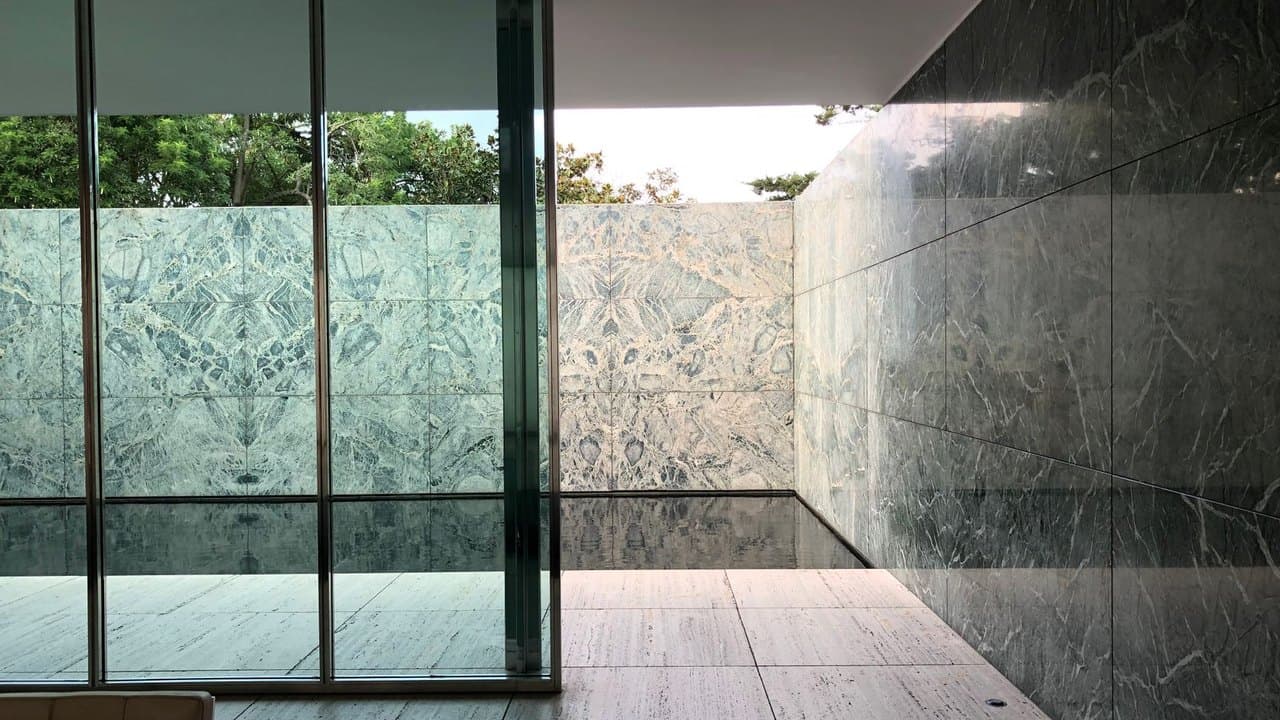
The phrase is most closely associated with Ludwig Mies van der Rohe, whose Barcelona Pavilion of 1929 is built from very few elements: a roof, a few walls of stone and glass, slender columns and water. It appears earlier in Robert Browning's 1855 poem Andrea del Sarto, but Mies turned it into a working principle.
It is often misread as a rule for empty rooms. In practice it means every element has to earn its place, which takes more design, not less. Our article on what Mies taught Luxom about building covers how we apply it.
Form Follows Function Came From a Skyscraper Essay
In 1896 the Chicago architect Louis Sullivan published an essay on how to design the new tall office buildings of his time. In it he wrote that form ever follows function: the shape of a building should come from what it has to do.
It was never an argument against beauty. Sullivan's own buildings, including the Wainwright Building in St. Louis, are covered in rich ornament. The point was that the ornament should serve a clear organizing idea.
A Machine for Living In Meant Clarity
Le Corbusier wrote that the house is a machine for living in, in his 1923 book Vers une architecture. He admired ships, cars and airplanes because every part of them was designed around a purpose.
The line sounds cold, but the idea was humane: design a house around how people actually live, with light, air and open space, instead of around tradition. His Villa Savoye outside Paris is the clearest built example.
God Is in the Details Is About What You Feel
The phrase is most often credited to Mies van der Rohe, though nobody has pinned down exactly where it first appeared. Its meaning is clear either way: the quality of a building is decided at the joints, the edges and the transitions.
That is where a house shows whether it was built with care. Our piece on the details you only notice in person walks through joinery, light and stone in a finished home.
How These Four Ideas Show Up in a Miami Home
In Miami, each of these sentences becomes a practical decision. Less is more decides how few materials a house needs. Form follows function decides where the overhangs go to block the afternoon sun. A machine for living in decides how air moves through a plan. God is in the details decides how the glass meets the stone.
Most people quote these lines. We try to build by them on every residence in Coconut Grove, Miami. For the broader framework, see what makes luxury architecture read as luxury.
Pull quote
Most people quote these four sentences. Very few build by them.
Filed under
Questions about famous architecture quotes and what they mean
01Who said less is more?
The phrase is most closely associated with Mies van der Rohe, who made it a principle of modern architecture. It appears earlier in Robert Browning's 1855 poem Andrea del Sarto. Our article on what Mies taught Luxom about building goes deeper.
02What does form follows function mean?
Louis Sullivan wrote in 1896 that form ever follows function: the shape of a building should grow out of what it has to do. It was never a rule against beauty. Sullivan's own buildings are full of ornament.
03What did Le Corbusier mean by a machine for living in?
In Vers une architecture, published in 1923, Le Corbusier argued that a house should be designed with the same clarity and efficiency as a ship, a car or an airplane, built around how people actually live.
04Who said God is in the details?
The line is most often credited to Mies van der Rohe, but its exact origin is uncertain. Our piece on the details you only notice in person shows what it looks like in a finished house.
Explore the portfolio
Projects to see


Talk to the studio
If this belongs in your home, our studio will draw the plan.
Initial conversation, 30 minutes. We listen to the brief and respond with a scoped proposal within five working days. You can also read the services page for typical timelines and fees.
Written by Luxom Studio · LUXOM Developments
The design and development studio behind LUXOM residences in Coconut Grove, Miami
Keep reading
From the journal
Philosophy · Aug 7, 2026 · 6 min
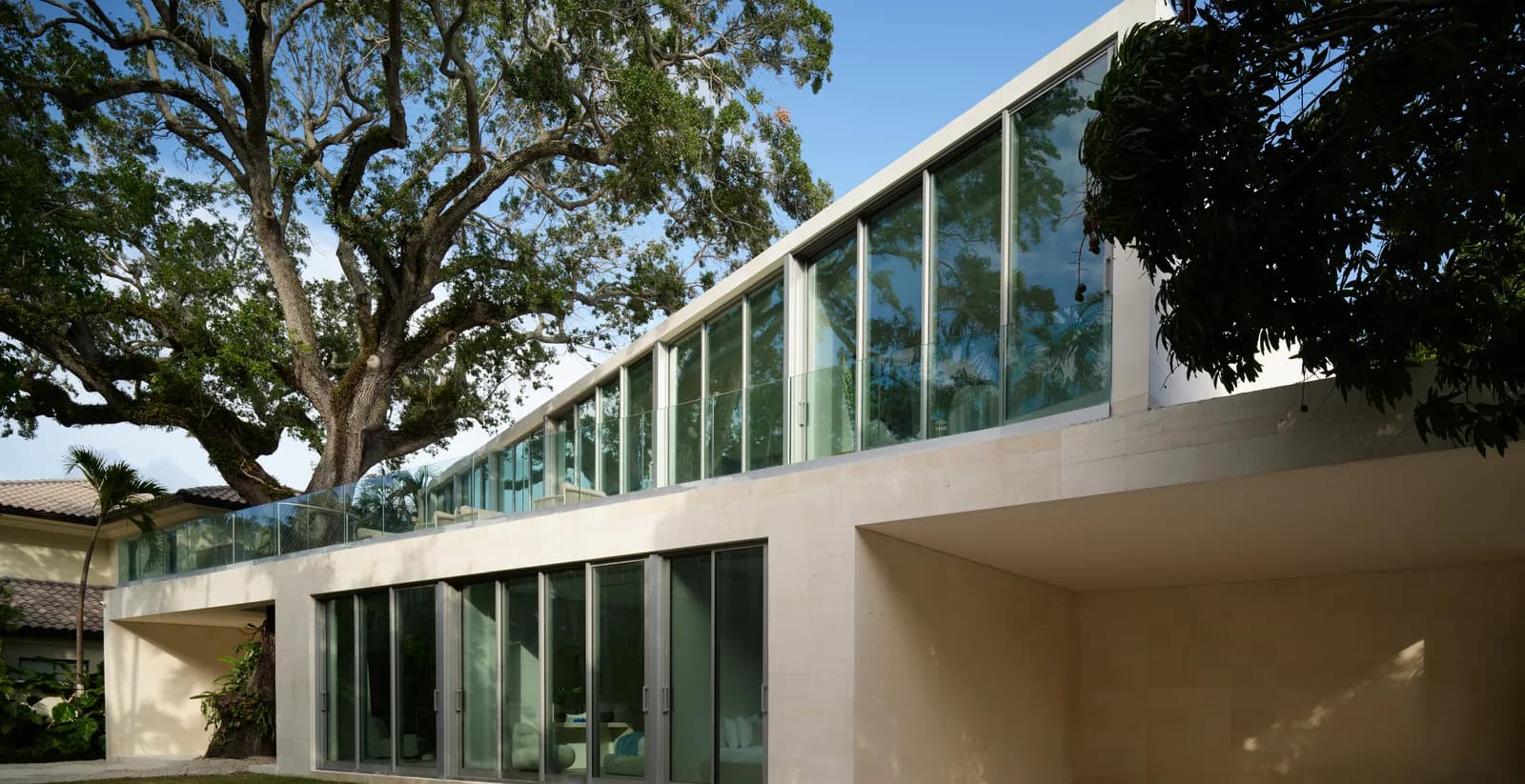
What Mies van der Rohe Taught Luxom About Building
A line long attributed to Mies van der Rohe, that architecture starts when two bricks are carefully put together, reads as history. At Luxom it reads as a daily standard for materials, proportion and restraint.
Architecture · Sep 26, 2026 · 4 min
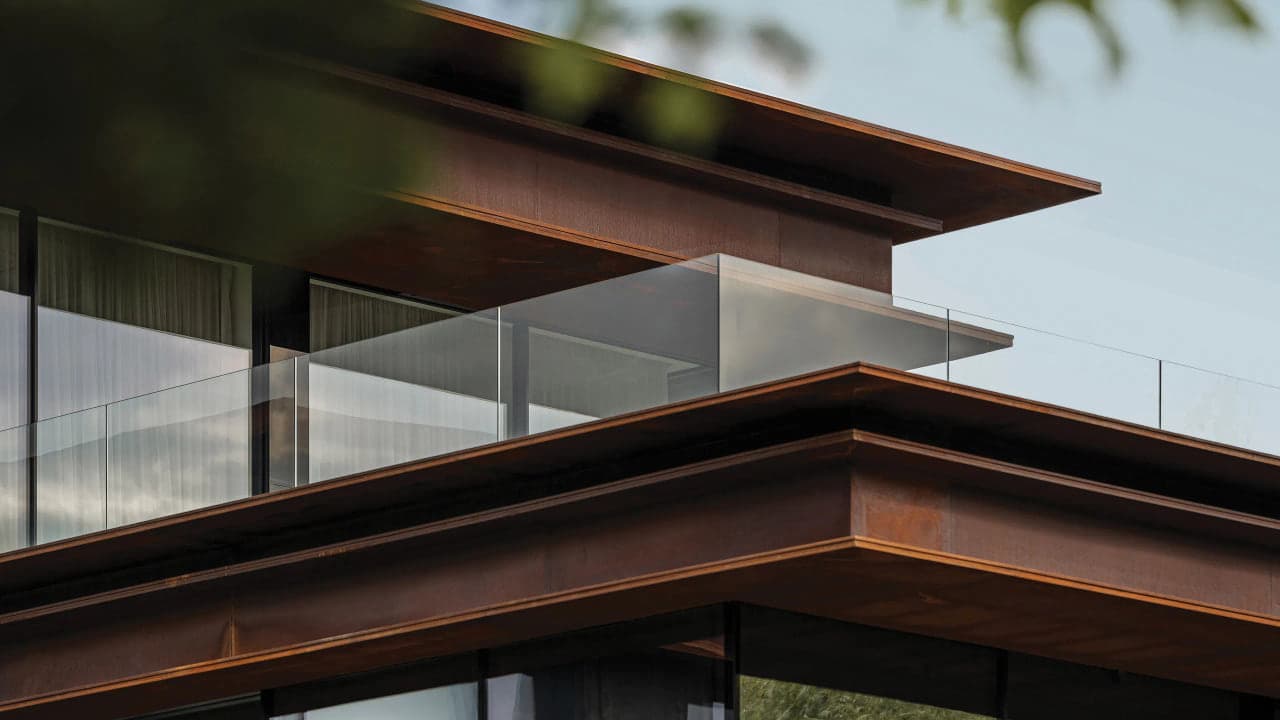
What Makes Architecture Read as Luxury, Not Just Expensive
Luxury in architecture is not square footage or finish cost. It is proportion, sequence and material honesty decided before a single finish is chosen.
Materials · Aug 8, 2026 · 5 min
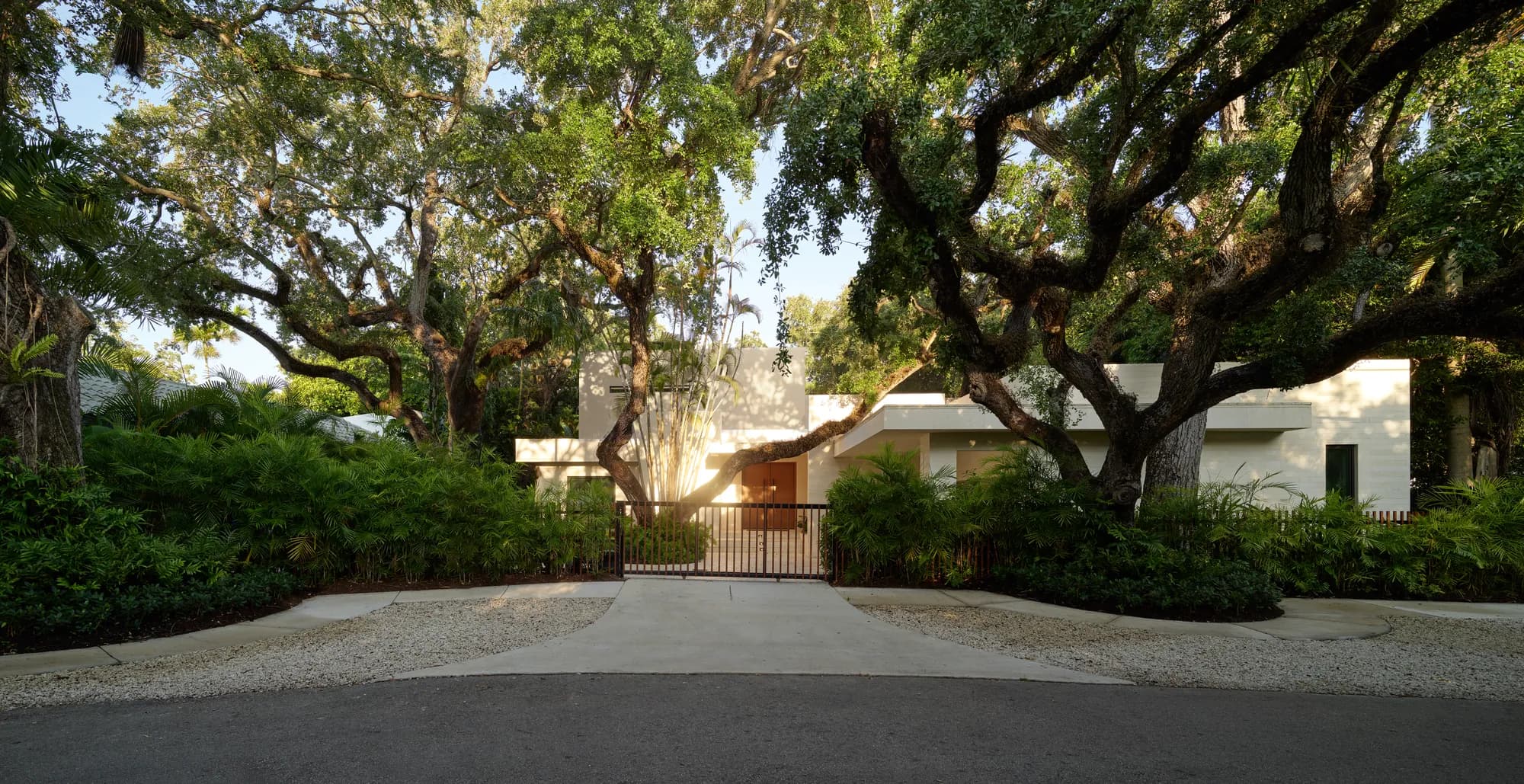
The Details You Only Notice In Person
Joinery, lighting and stone are easy to list and hard to fake. Here is how a Luxom home builds each one by hand, and why a walkthrough proves it in a way no photo can.