Famous Architecture Failures and What They Teach in Miami
The Farnsworth House floods, Fallingwater's cantilevers sagged and Pruitt Igoe was torn down within two decades. What each failure teaches about building a home in Miami's water and wind.
Luxom Studio · LUXOM Developments
· 3 min read · Last reviewed
Key takeaways
- Mies van der Rohe's Farnsworth House sits in the floodplain of the Fox River and has flooded repeatedly. The project also ended in a lawsuit between the architect and his client, Edith Farnsworth.
- Frank Lloyd Wright's Fallingwater cantilevers deflected over the decades and were structurally reinforced in a major repair in the early 2000s.
- Pruitt Igoe, the St. Louis housing project by Minoru Yamasaki, who later designed the World Trade Center, was demolished starting in 1972, less than twenty years after it opened.
- Each failure maps to a Miami risk: water, structure and how people actually live in a building.
Editor's note
Even the greatest architects got it wrong. This is the guide we send to anyone who comments LESSONS on our reel: three famous failures, what actually happened, and what each one teaches about building a house in Miami, where water and wind don't forgive mistakes.
The Farnsworth House Sits in a Floodplain
Ludwig Mies van der Rohe completed the Farnsworth House in Plano, Illinois, in 1951. It is a glass pavilion raised on steel columns beside the Fox River, and it is one of the most influential houses of the twentieth century.
It is also in the river's floodplain. The house was lifted off the ground in anticipation of high water, but floods have reached the interior more than once. The project also ended badly between architect and client: Mies sued Edith Farnsworth over unpaid fees and she countersued over the cost of the house.
The Miami lesson is direct. A lot's elevation and flood zone are not details to solve after the design is drawn. They decide how high the first floor sits, what the foundation has to do and what the house will cost. Our development cost breakdown shows flood elevation as a real line item, because it is one.
Fallingwater's Cantilevers Started to Sag
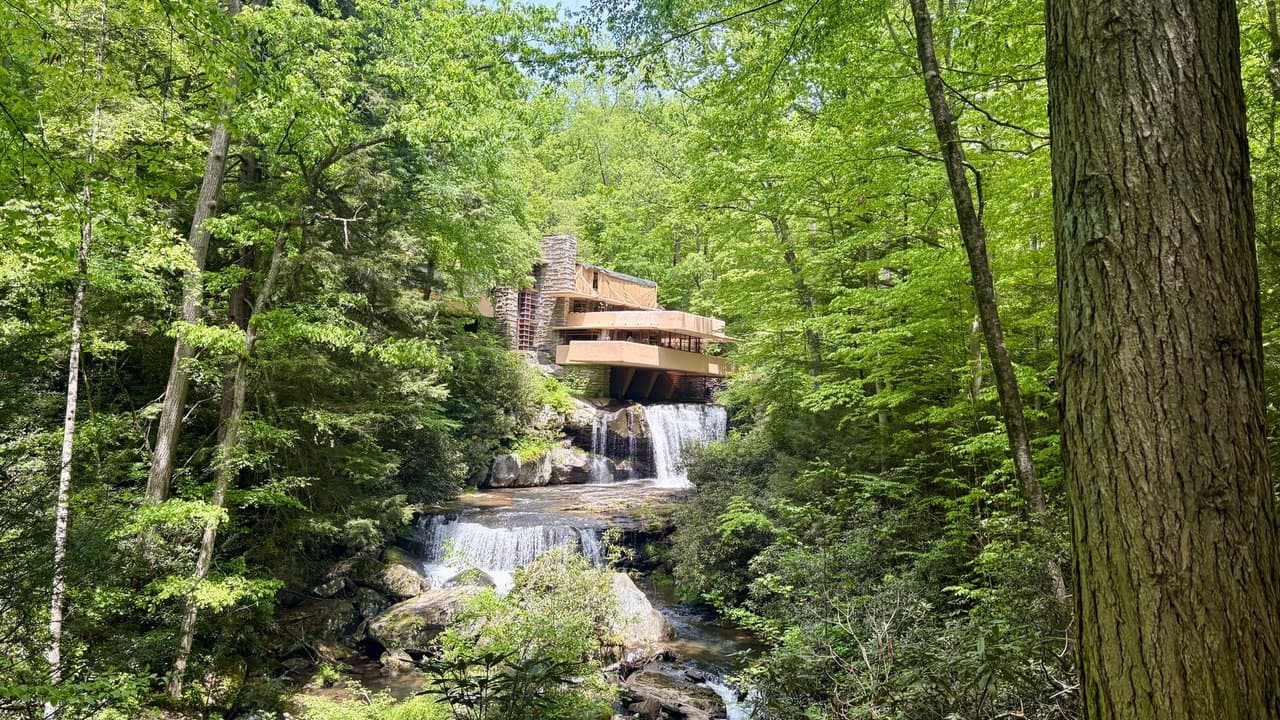
Frank Lloyd Wright completed Fallingwater over a waterfall in Pennsylvania in the 1930s. Its concrete terraces cantilever out over the water with nothing visible holding them up, which is exactly why the house is famous.
Over the decades those cantilevers deflected, bending downward more than they should have. In the early 2000s the house went through a major structural repair that reinforced the cantilevers so the sagging would stop.
The lesson is that a structural gesture is a promise that has to hold for the life of the building, not just on opening day. Our architecture terms guide explains what a cantilever actually asks of the structure, and why we only use one when the engineering was designed for it from the start.
Pruitt Igoe Was Torn Down Within Twenty Years
Pruitt Igoe was a large public housing project in St. Louis designed by Minoru Yamasaki, the architect who later designed the World Trade Center. It opened in the mid 1950s. Demolition of its towers began in 1972, less than twenty years later.
The reasons were many: maintenance, funding, vacancy and social conditions that the design did not account for. It is still cited as the clearest example of a building that looked right on paper and did not work for the people living in it.
The lesson for a private home is the same at a smaller scale. A plan has to be designed around how a household actually moves, cooks, rests and maintains the house, not around how it photographs.
In Miami, Water and Wind Don't Forgive Mistakes
Miami adds its own pressure to every one of these lessons. Homes in Miami Dade County have to meet some of the strictest wind requirements in the country, glass has to be impact rated, and many lots sit in flood zones that set how high a house must be built.
That is why we treat structure, water and wind as design decisions from the first drawing. On the Ingraham residence, every pane of glass was engineered for hurricane wind loads before it went in. The standard is simple: learn from the famous mistakes so a private home in Coconut Grove never has to make them.
Pull quote
Water and wind don't care how famous the architect was.
Filed under
Questions about famous architecture failures and lessons for building a home
01Why does the Farnsworth House flood?
It was built close to the Fox River in Plano, Illinois, inside the river's floodplain. Raising the house on columns was part of the design, but major floods have still reached the interior. See the Farnsworth House section for what that means for a Miami lot.
02What went wrong with Fallingwater?
Its famous concrete cantilevers deflected over the years more than the original design anticipated. In the early 2000s the house went through a major structural repair that reinforced the cantilevers so they would stop sagging.
03Why was Pruitt Igoe demolished?
The public housing complex in St. Louis, designed by Minoru Yamasaki, suffered from poor maintenance, vacancy and social problems, and its demolition began in 1972, less than twenty years after it opened. It is often cited as a lesson in designing for how people actually live.
04How do these failures apply to building in Miami?
Miami homes face flooding, hurricane wind and a climate that punishes anything not engineered for it. Our Ingraham construction story shows hurricane rated glazing on a real house, and our cost breakdown shows where wind and flood requirements land in a budget.
Explore the portfolio
Projects to see


Talk to the studio
If this belongs in your home, our studio will draw the plan.
Initial conversation, 30 minutes. We listen to the brief and respond with a scoped proposal within five working days. You can also read the services page for typical timelines and fees.
Written by Luxom Studio · LUXOM Developments
The design and development studio behind LUXOM residences in Coconut Grove, Miami
Keep reading
From the journal
Philosophy · Aug 7, 2026 · 6 min
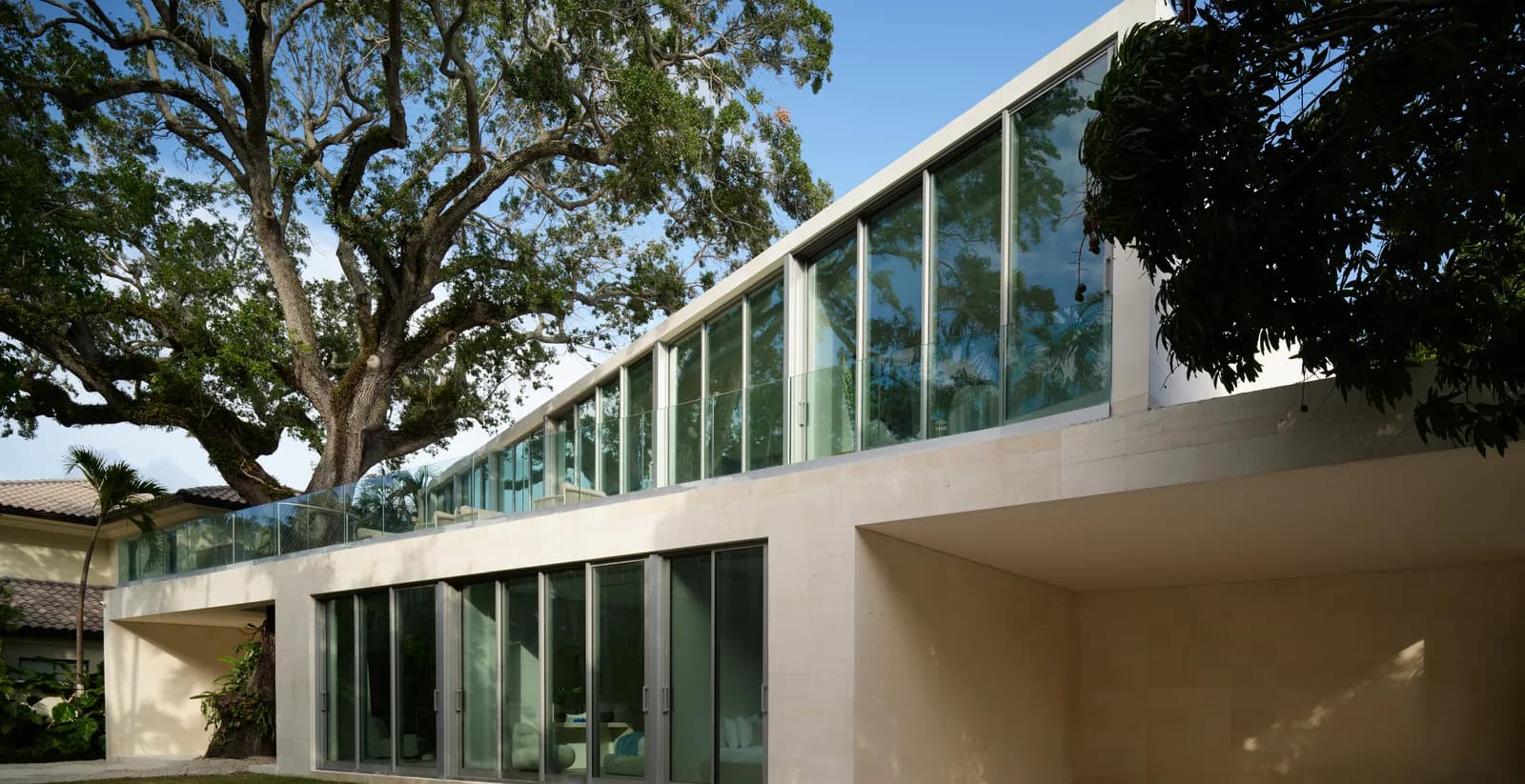
What Mies van der Rohe Taught Luxom About Building
A line long attributed to Mies van der Rohe, that architecture starts when two bricks are carefully put together, reads as history. At Luxom it reads as a daily standard for materials, proportion and restraint.
Development · Aug 1, 2026 · 6 min
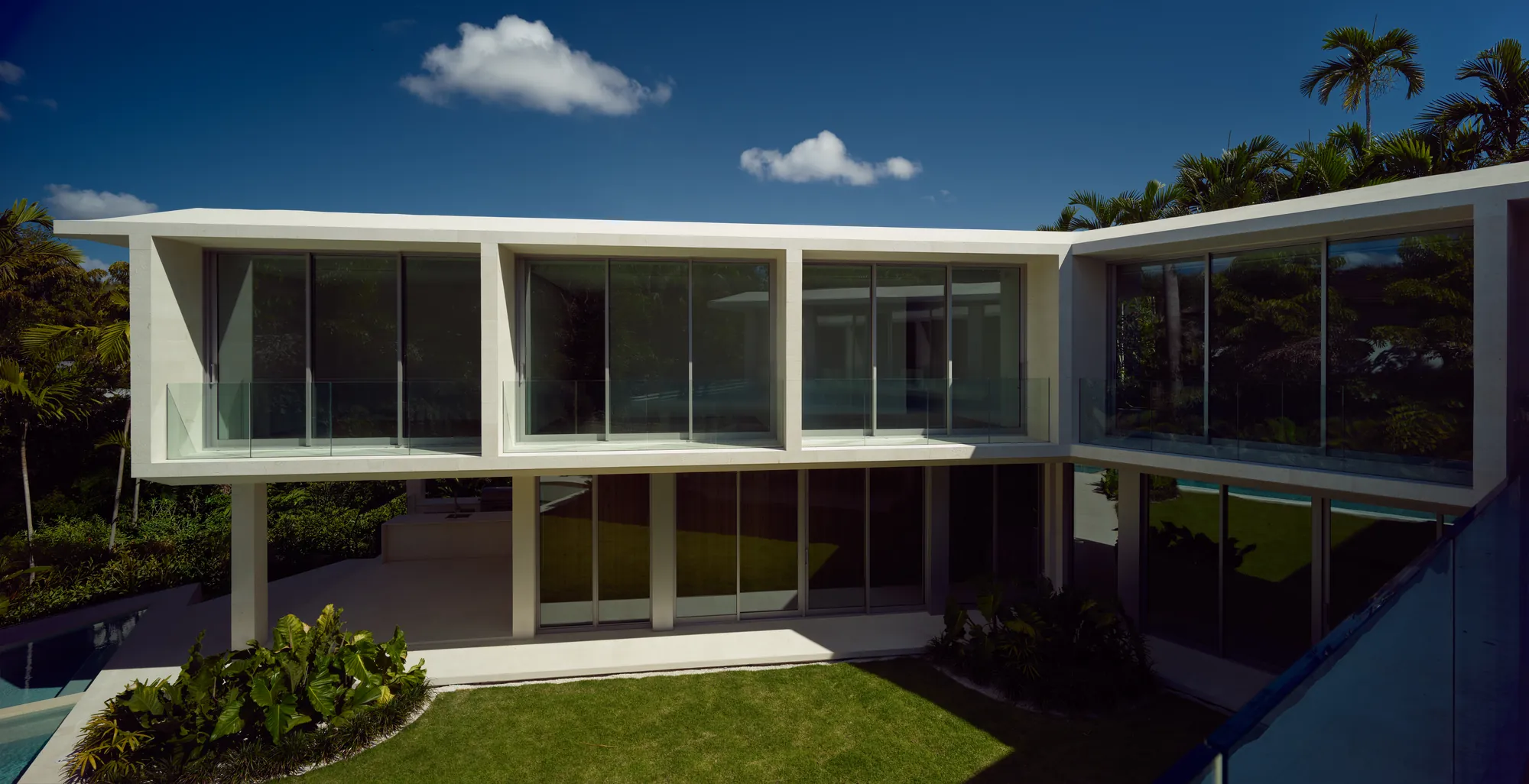
Building the Ingraham Residence, Start to Finish
From an empty Coconut Grove lot to a finished 8,197 square foot home: how the Ingraham Residence went up, phase by phase, the same way every Luxom home does, start to finish.
Development · Jul 14, 2026 · 8 min
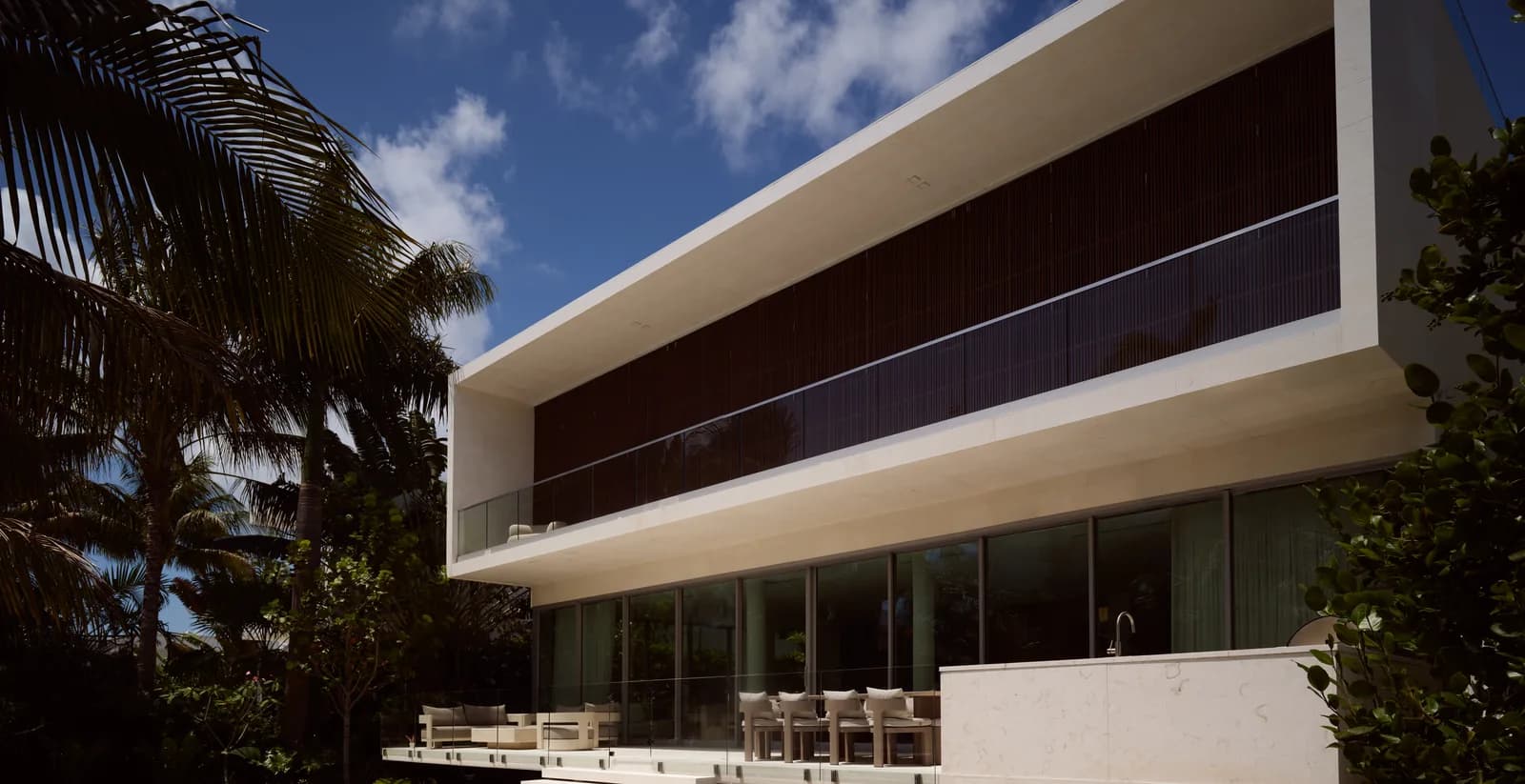
An $8.2M development cost breakdown, from land to finish
How a luxury development budget at this scale divides across land, architecture, construction and finishes: the categories, the logic behind each one, and what they mean for a buyer.