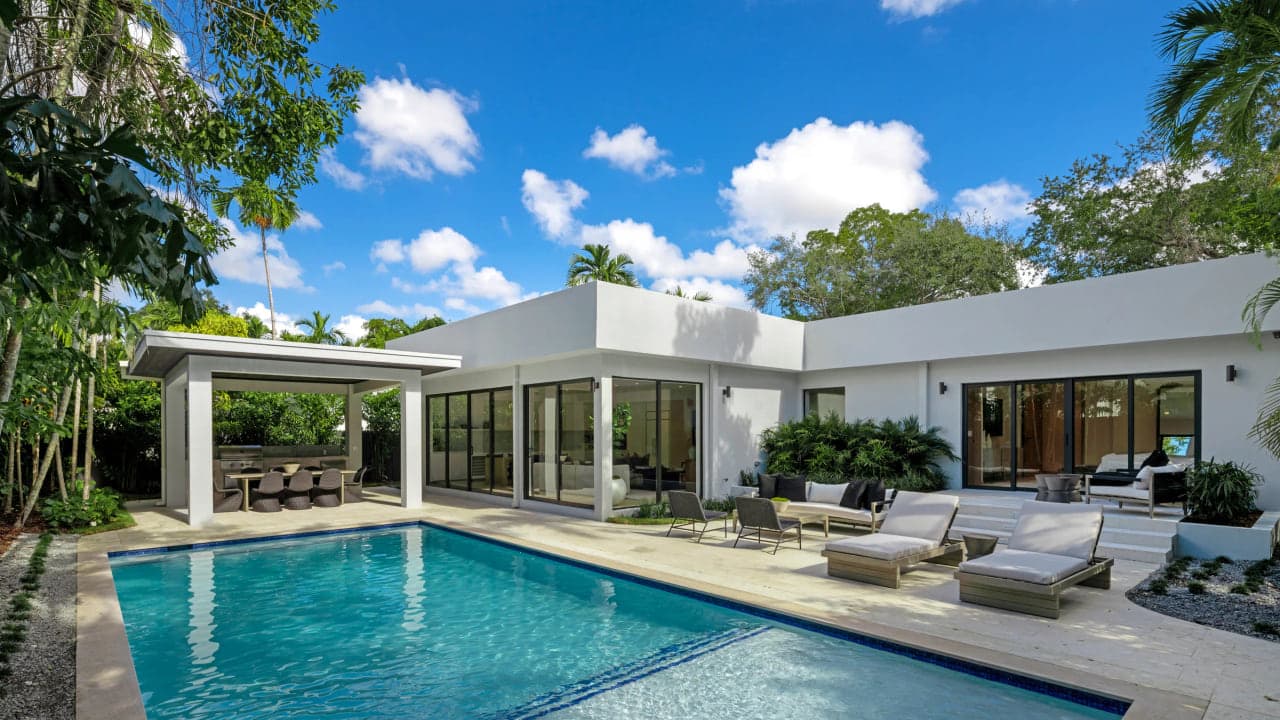
Under Air Square Footage: What Actually Prices a Miami Home
Two Coconut Grove listings can show the same total square footage and sell for very different prices. The gap is almost always the under air number, and here is what it measures.
Luxom Studio · LUXOM Developments
· 4 min read · Last reviewed
Key takeaways
- Under air square footage is the conditioned, air conditioned living area of a home. Total square footage adds covered but unconditioned space like garages, porches and terraces on top of that number.
- A real Coconut Grove development site at 1953 Tigertail Avenue sold with an approved 12,500 square foot buildable area, but only 9,500 square feet of that counted as under air space.
- A Miami-Dade parcel record itemizes a home's subareas, such as base area and balcony area, as separate line items that sum to a total distinct from any single under air figure.
- Buyers and appraisers price conditioned living area differently from covered outdoor space, so two listings with the same total square footage can carry very different values once under air is compared directly.
- Luxom underwrites a lot on its land value and buildable rights first, then treats under air area, not covered footprint, as the number that actually prices the structure built on top of it.
From the developer
Every Miami listing seems to carry two different sizes for the same house. Most buyers skim past the smaller one.
That smaller number, under air square footage, is usually the one that actually prices the home. The bigger number counts porches, garages and terraces that a listing is happy to advertise but an appraiser treats very differently.
This guide walks through why a listing shows two different square footage numbers for the same house, what counts as under air space and what does not, why that smaller number is what buyers actually pay for, how appraisers and builders use it, and what to check before trusting any listing's numbers.
One listing, two different numbers
Pull up almost any Miami listing and you will see a total square footage figure next to a smaller under air figure. They are not a typo and they are not measuring the same thing twice.
A Miami-Dade parcel record itemizes a home's subareas, such as base area and balcony area, as separate line items that sum to a total square footage distinct from any single under air line. The listing agent is simply surfacing a split that already exists in the county's own record, long before a buyer ever sees the address.
What counts as under air space
Under air means conditioned, air conditioned living area. A bedroom, a kitchen, a climate controlled den, all of that is under air. A garage, an open terrace, a covered but unscreened porch, none of that is.
A real Miami listing at 12301 SW 107th Avenue advertises 6,293 total square feet, of which 4,844 square feet is under air, leaving roughly 1,449 square feet of covered space that is real, usable and still not counted as living area. That gap is normal on a Miami property with generous outdoor rooms, which is exactly the kind of covered living space Coconut Grove buyers often want.
Covered is not the same as conditioned
A covered porch, garage or terrace adds real value to a Miami home, but it is priced as a different category of space than conditioned living area, not folded into it.
Why under air is what buyers actually pay for
Price per square foot, the number most buyers use to sanity check an offer, is almost always calculated against under air area, not total square footage. That is the land first logic Luxom applies to every acquisition, the same discipline we walk through in why the land, not the house, is the asset in Coconut Grove: the structure gets priced on what it actually delivers as living space, and a big covered footprint does not substitute for conditioned area.
It also explains why two listings with an identical total square footage number can sell at noticeably different prices. If one has 2,000 under air square feet and a lot of covered terrace, and the other has 2,400 under air square feet and almost no covered space, the second one is carrying more of the area buyers are actually paying for.
How appraisers and builders use it
A Coconut Grove development site at 1953 Tigertail Avenue sold with plans approved for a 12,500 square foot buildable area, but only 9,500 square feet of that counted as under air square footage. An appraiser or a builder pricing that lot works from the 9,500 number first, because that is the figure comparable sales and cost per square foot benchmarks are built on. The buildable area matters for what can legally be constructed, covered in the same acquisition logic as what waterfront actually costs in Coconut Grove, but it is not the number that prices the finished structure.
On a custom build, this is decided on the architectural drawings well before anyone lists the finished house, which is why under air area gets locked in during design and engineering, not after construction.
Pull quote
What to check before you trust a listing's square footage
Before weighing a square footage number on any listing, ask for the under air figure specifically and confirm it against the county parcel record rather than relying on the agent's write up alone. The two numbers, under air and total, answer different questions, and a serious offer should be built on the one that actually drives price per square foot.
For a buyer deciding whether to build rather than buy, under air area is one of the earliest decisions locked into a design, part of the sequence covered in building a custom luxury home in Miami.
Pull quote
The listing's big number is total square footage. The number that actually prices the house is smaller, and it's the one almost nobody explains.
Filed under
Questions about under air square footage Miami
01What is under air square footage?
It is the part of a home's floor area that sits inside conditioned, air conditioned space, the rooms you would actually count as living area. A Miami-Dade parcel record itemizes a home's subareas, such as base area and balcony area, as separate line items rather than one blended figure, which is where the under air number comes from before it ever reaches a listing. See what counts as under air space for how that breakdown works in practice.
02Why do Miami listings show under air square footage separately from total square footage?
Because the two numbers describe different things and a serious buyer needs both. A Miami listing at 12301 SW 107th Avenue advertises 6,293 total square feet, of which 4,844 square feet is under air, with the remaining square footage covered but not conditioned. Splitting the two figures lets a buyer see how much of what they are paying for is actual living space. That gap is exactly what we unpack in why under air is what buyers actually pay for.
03Does a covered porch, garage or terrace count as under air square footage?
Generally no. Those are covered areas, but they are not conditioned, air conditioned living space, so they get tracked as their own subarea rather than folded into the under air figure. A county parcel record keeps exactly this kind of space, such as a balcony area, as a separate line item from the base living area. A garage, lanai or open terrace adds to total square footage without adding to the under air number, which is covered in what counts as under air space.
04How does under air square footage affect appraisal and resale value on a Coconut Grove lot?
It sets the baseline for price per square foot, because that metric is almost always calculated against conditioned living area, not total covered area. A Coconut Grove development site at 1953 Tigertail Avenue sold with an approved 12,500 square foot buildable area, but only 9,500 square feet of that counted as under air space, and that smaller number is what an appraiser and a builder both work from first. We walk through how that plays out in how appraisers and builders use it.
05What should a buyer check before trusting a listing's square footage numbers?
Ask for the under air figure specifically, not just the total, and confirm it against the county parcel record rather than the agent's description alone. On a custom build, this gets decided on the drawings long before a listing ever exists, which is the sequence we cover in building a custom luxury home in Miami. The full checklist is in what to check before you trust a listing's square footage.
Explore the portfolio
Projects to see


Talk to the studio
If this belongs in your home, our studio will draw the plan.
Initial conversation, 30 minutes. We listen to the brief and respond with a scoped proposal within five working days. You can also read the services page for typical timelines and fees.
Written by Luxom Studio · LUXOM Developments
The design and development studio behind LUXOM residences in Coconut Grove, Miami
Keep reading
From the journal
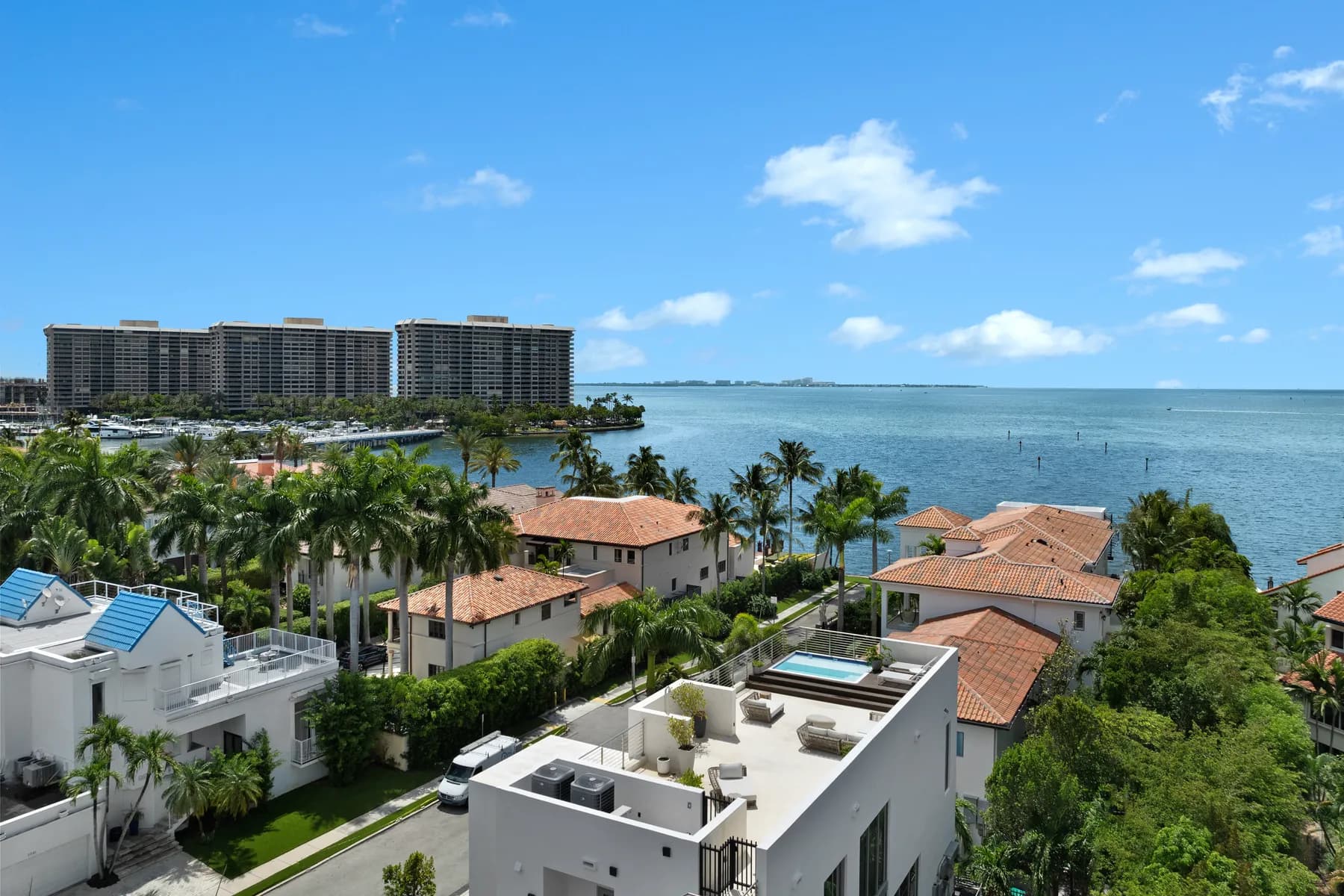
Development · Sep 4, 2026 · 5 min
Why the Land, Not the House, Is the Asset in Coconut Grove
An old or ordinary house on a good Coconut Grove lot rarely moves the price. The land underneath it, and what it is legally allowed to become, is what a buyer is actually paying for.
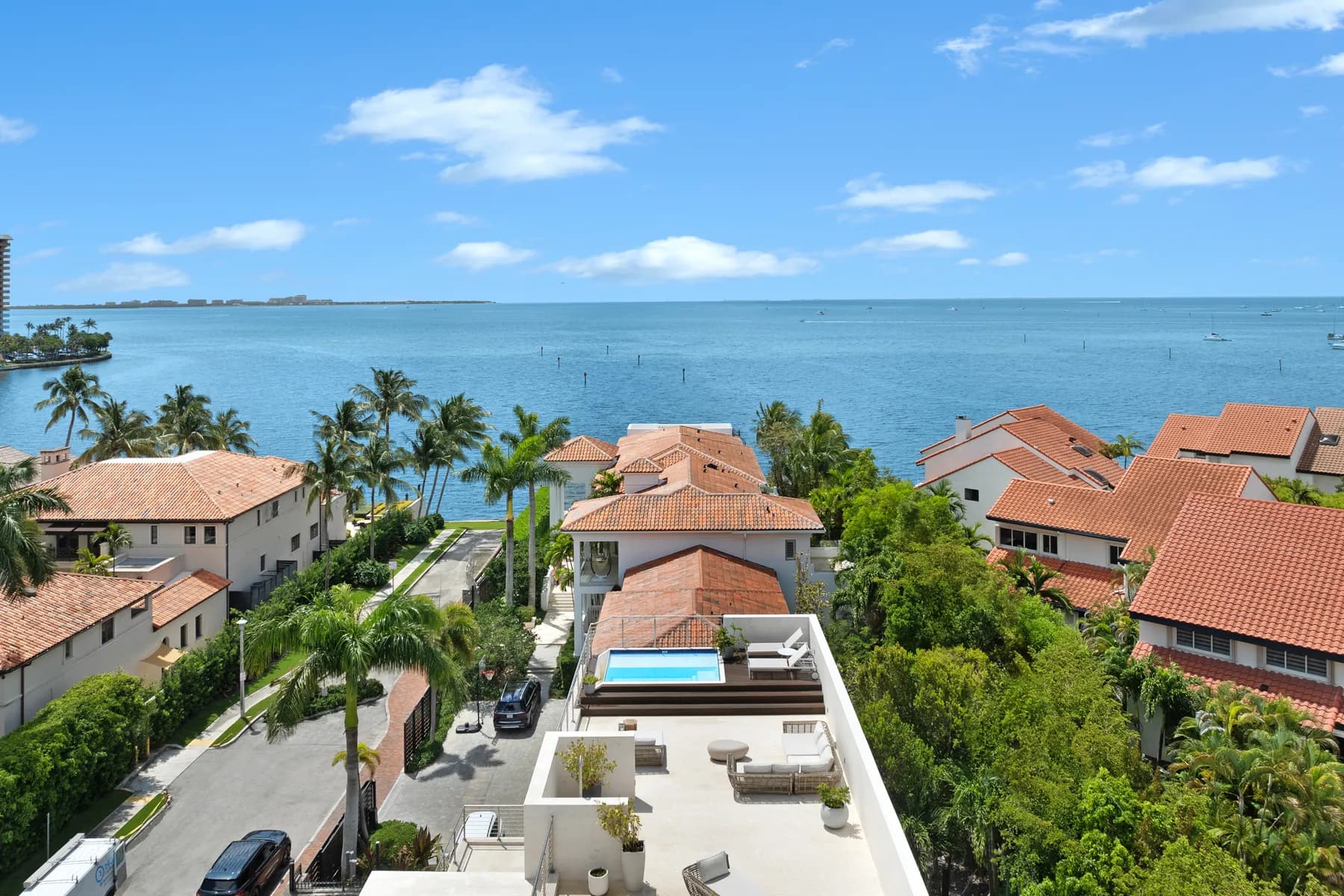
Development · Aug 3, 2026 · 5 min
What waterfront actually costs in Coconut Grove
Inland, you can always build again or add on later. On the water, the view and the direct access are fixed by the lot itself, which is the real reason waterfront never trades like ordinary land.
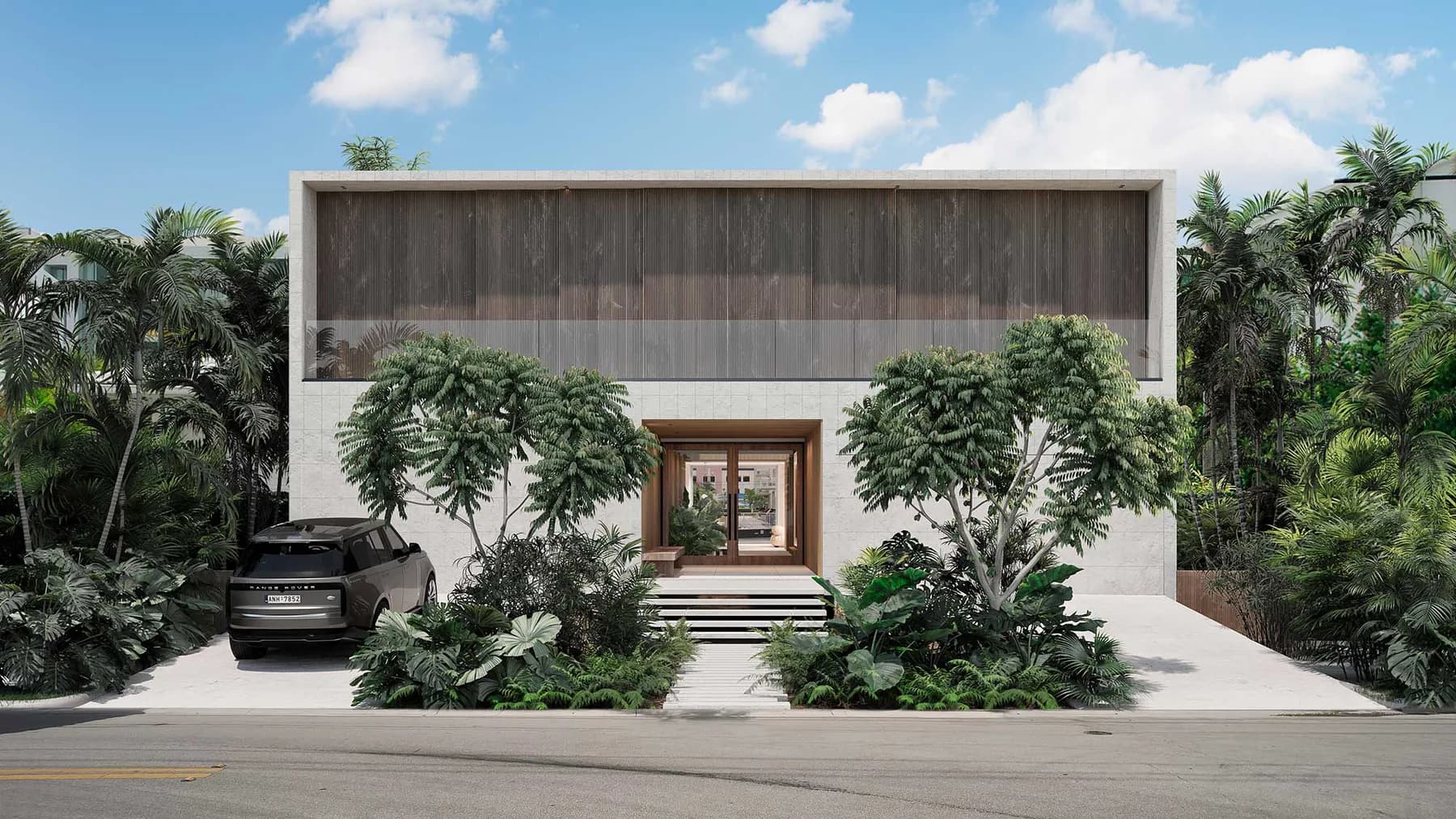
Development · Jul 23, 2026 · 5 min
Building a custom luxury home in Miami, start to finish
What it takes to build a custom luxury home in Miami, from land and design through permitting and finish. The real sequence, the local constraints, and where a builder earns their keep.