Decking Near the Water: Five Materials and What Salt Air Does to Each
Ipe, teak, travertine, porcelain and composite. How each decking material handles salt air, sun and pool water in Miami, and the maintenance schedule you are really choosing.
Luxom Studio · LUXOM Developments
· 5 min read · Last reviewed
Key takeaways
- Near the water, every decking material is also a maintenance schedule. Salt holds moisture on surfaces, crystallizes inside porous materials and corrodes metal, and it works alongside sun and humidity.
- Ipe and teak do not rot in salt air, but they turn silver within months and need regular oiling to keep their color. Choosing wood is choosing that routine, or choosing to love the gray.
- Travertine stays cool underfoot and suits a pool deck, but it is porous: unsealed, salt from the air or a saltwater pool can pit and flake its surface over time.
- Composite does not need oiling, but it can fade, get hot in direct sun and grow mildew in humid shade, and the framing and fasteners underneath still face the salt.
- Porcelain is the one that survives the salt. Dense, colorfast and almost non absorbent, it asks for little more than cleaning, provided you choose an outdoor rated, slip resistant surface.
From the feed
The reel we posted showed five decks and said only one survives the salt. The caption put it more plainly: salt air eats four of these. Eats is shorthand. Salt does not destroy every material in the same way, but near the water it changes the color of some, the surface of others and the hardware under all of them. So the wood, stone or board you pick is really a maintenance schedule. This is the decking guide we promised, covering ipe, teak, travertine, porcelain and composite, and what living next to the bay or a saltwater pool does to each.
What salt air actually does to a deck
Salt is hygroscopic, which means it pulls moisture from the air and holds it on whatever surface it lands on. On wood, that keeps the surface damp longer and speeds up graying and mildew. Inside porous materials such as natural stone, salt dissolves, travels into the pores and crystallizes as it dries, and those growing crystals can break the surface from within. On metal, it accelerates corrosion, which is why fasteners, clips and pedestals often fail before the decking itself.
Near the water, salt spray travels further inland than most people expect, especially in storms, and a saltwater pool adds salt to the deck every time someone climbs out. Combine that with Miami's sun and humidity and the right question is not which material lasts forever, but which one you are willing to look after, and how.
Ipe: the dense one
Ipe is a tropical hardwood so dense it sinks in water. It resists rot and insects, it is extremely hard wearing, and its dark, even color looks rich around a pool. Salt air does not rot it. What changes is its color: left untreated, ipe turns silver gray within months, and the surface can develop fine checks along the grain.
To keep the original brown, plan on cleaning and oiling regularly, often once or twice a year near the water. Ipe is heavy and hard to work, so boards are pre drilled and fixed with 316 stainless steel screws or hidden clips. Dark ipe also gets hot in full afternoon sun, which matters on a pool deck people cross barefoot. Buy it only from certified, legal sources.
Teak: the marine one
Teak has been used on boat decks for centuries because its natural oils make it stable and resistant to water and rot. It is more forgiving underfoot than ipe and weathers to the silver gray you see on classic yachts. That is the honest choice with teak: either accept the silver, or commit to a routine of cleaning and oiling to keep the honey color.
Quality varies enormously, and the price follows it. The best teak is dense, straight grained and oily; lower grades move more and weather unevenly. As with ipe, the fasteners matter as much as the boards, so specify marine grade stainless.
Travertine: the cool one
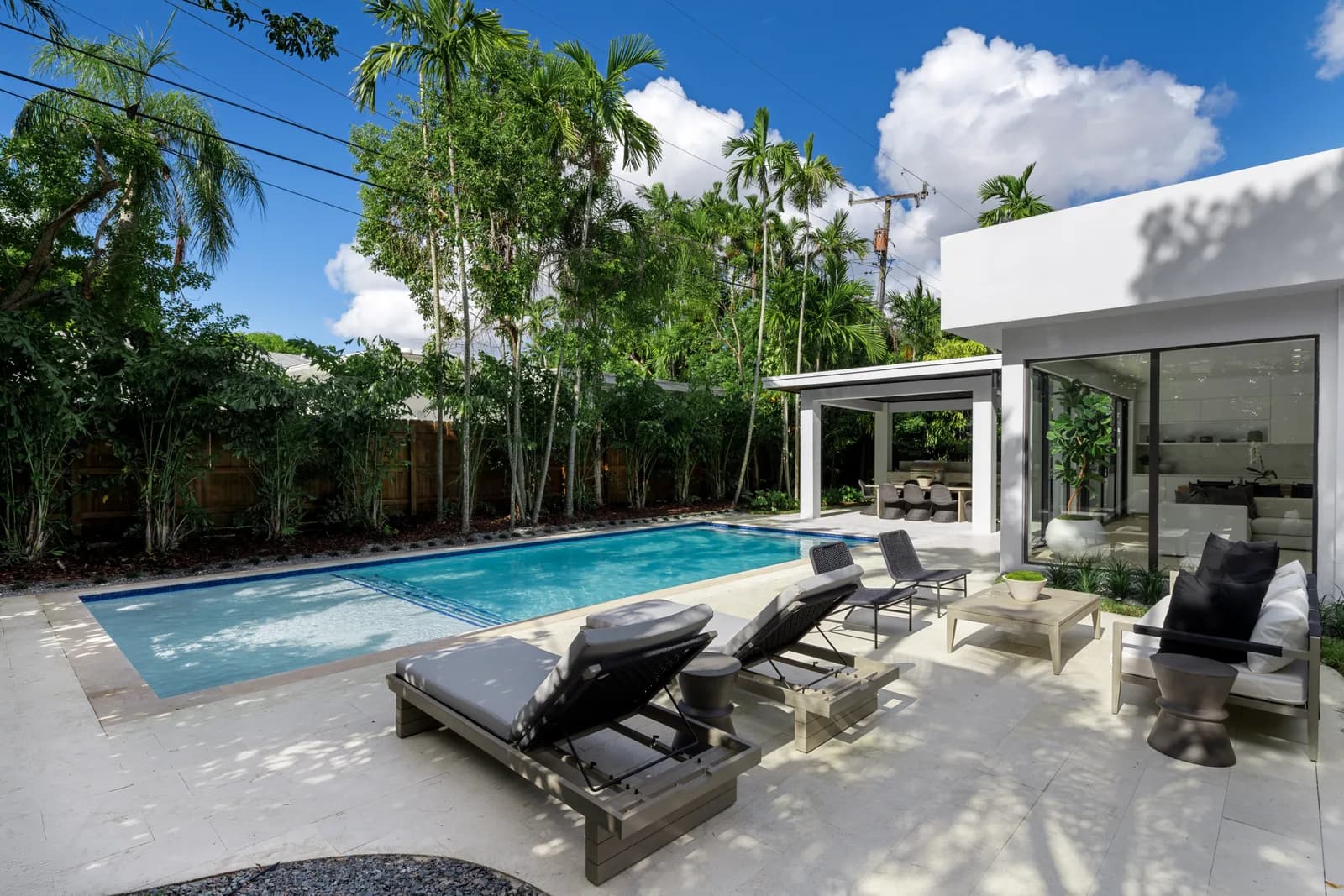
Travertine is a natural stone from the limestone family, and it is the classic Miami pool deck for good reason. It stays relatively cool underfoot, a tumbled or honed surface gives natural grip when wet, and its warm, sandy tone suits a tropical house. It also brings real character: the small voids and variations that come from how the stone formed.
That same porosity is its weakness near salt. Salt water that soaks into unsealed travertine crystallizes as it dries and, over time, can pit and flake the surface, a problem most visible around saltwater pools. A penetrating sealer, applied after installation and renewed on a regular schedule, slows this considerably, and a freshwater rinse helps. Choose a dense, exterior rated grade, and accept that travertine is a material you maintain, not one you forget.
Porcelain: the one that survives the salt
Porcelain pavers made for outdoor use are fired so dense that they absorb almost no water, which means salt has nowhere to go. They do not need sealing, they hold their color in strong sun, and they clean with water and a mild detergent. They now come in convincing stone and even wood looks, and in pale tones that stay cool underfoot.
The decisions that matter are surface and installation. Choose an outdoor, slip resistant finish, especially around water. Pavers can be set on a mortar bed, on a compacted base or on adjustable pedestals, which is particularly useful on a waterproofed roof terrace because it leaves the membrane accessible. The weak point is the edge: porcelain can chip if struck, so pool coping and exposed edges deserve careful detailing. Of the five materials in the reel, this is the one we would start with on a waterfront terrace.
Composite: the low effort one, with a catch
Composite boards, made from wood fibers bound in plastic, promise a wood look without oiling. Modern capped composites, with a protective outer shell, resist stains and fading far better than early versions, and they do not rot.
The catches are heat, mildew and structure. Dark composite can get very hot in direct sun. In humid, shaded corners, mildew can grow on the surface and needs periodic cleaning. Scratches cannot be sanded out the way they can on wood. And the framing underneath is often pressure treated lumber, which still faces water and salt, so the structure deserves as much care as the surface. Leave the expansion gaps the manufacturer specifies and use marine grade fasteners.
Pull quote
Four of these five can work beautifully by the water. Only one of them works without a calendar.
What is underneath matters as much as what is on top
Most deck failures near the water begin out of sight. Specify 316 stainless steel for every screw, clip and bracket, since the more common 304 grade can stain and pit near the coast. Slope the deck so water drains away from the house and never sits in the joints. Keep air moving under wood and composite decks so the framing can dry. And choose pale colors where people walk barefoot.
The surface you choose should match how you want to live with it. If you enjoy the ritual of oiling a teak deck, it will reward you. If you want a terrace that looks the same in ten years with nothing more than a hose, choose porcelain. Our technical guide to outdoor kitchens in the tropics applies the same salt and sun logic to counters and cabinets, and if you are planning a pool terrace, talk to us.
Pull quote
Salt air does not care how a deck looked on install day. It only cares what the material does with water, and what holds it down.
Filed under
Questions about decking materials for pool decks and terraces near salt water
01What is the best decking material near salt water?
For the least maintenance, porcelain pavers made for outdoor use. They absorb almost no water, so salt has nowhere to crystallize, they hold their color in strong sun, and they clean with water and a mild detergent. Choose a slip resistant outdoor surface, especially around a pool, and plan the edges and coping carefully, because porcelain can chip if a sharp edge is struck. Natural stone such as travertine is the warmer, more traditional alternative and works well when it is sealed and resealed on schedule. Ipe and teak bring the warmth of real wood and will not rot in salt air, but they need oiling to keep their color. The right answer depends on whether you would rather maintain a material or let it age. Our section on porcelain explains why it is the one we would start with on a waterfront terrace.
02Does ipe or teak hold up in salt air?
Structurally, yes. Both are dense tropical hardwoods with natural resistance to rot and insects, and teak has been used on boat decks for centuries for exactly that reason. What salt air and sun change is their appearance. Left alone, both weather to a silver gray within months, and the surface can check, forming fine cracks along the grain. To keep the original honey or chocolate color, plan on cleaning and oiling regularly, often once or twice a year near the water. Many owners decide they prefer the silver and simply clean the deck instead. Either way, specify 316 stainless steel fasteners or hidden clips, because ordinary fasteners will stain the wood and corrode long before the boards wear out, and buy from certified, legal sources. See ipe and teak for the differences.
03Is travertine good for a saltwater pool deck?
It can be, with the right preparation. Travertine is popular around pools because it stays relatively cool underfoot, has a natural grip when tumbled or honed, and suits the warm palette of a tropical house. The risk is its porosity. Salt water splashed onto unsealed travertine soaks into the stone, and as it dries the salt crystallizes inside the pores, which over time can pit and flake the surface. A penetrating sealer applied after installation and renewed on a regular schedule slows that process considerably, and rinsing the deck with fresh water helps too. Choose a dense, good quality grade, and use pavers rated for exterior use. If you want the look with less upkeep, a stone-look porcelain paver avoids the problem altogether. Our guide to building a backyard pool covers the coping and deck sequence in more detail.
04Is composite decking a good choice in Florida?
It is a reasonable choice with some caveats. Composite boards, made from wood fibers and plastic, do not need oiling and resist rot, and capped versions with a protective outer shell resist staining and fading better than early generations. In Florida the issues are heat, mildew and what is underneath. Dark composite boards can get uncomfortably hot in direct sun, lighter colors less so. In humid, shaded areas, mildew can grow on the surface and needs periodic cleaning. And the framing that supports the boards is often pressure treated wood, which still faces moisture and salt, so the structure deserves as much attention as the surface. Leave the expansion gaps the manufacturer specifies and use 316 stainless fasteners near the water. See our composite section for when it makes sense.
05Which deck material stays coolest underfoot?
Light colored stone and porcelain generally stay coolest, because pale surfaces reflect more of the sun's heat. That is one reason travertine and light porcelain pavers are so common around Miami pools, where people walk barefoot. Dark hardwoods such as ipe absorb more heat and can become uncomfortable in full afternoon sun, and dark composite boards are often the hottest of all. Color matters more than material, so a pale porcelain will stay cooler than a dark one, and shade matters more than either: a pool deck partly covered by a pavilion or a tree is more comfortable than any surface left in full sun all day. For how the deck, the shade and the pool work together as one outdoor room, read why the pool is the main room.
Explore the portfolio
Projects to see


Talk to the studio
If this belongs in your home, our studio will draw the plan.
Initial conversation, 30 minutes. We listen to the brief and respond with a scoped proposal within five working days. You can also read the services page for typical timelines and fees.
Written by Luxom Studio · LUXOM Developments
The design and development studio behind LUXOM residences in Coconut Grove, Miami
Keep reading
From the journal
Philosophy · Aug 27, 2026 · 6 min
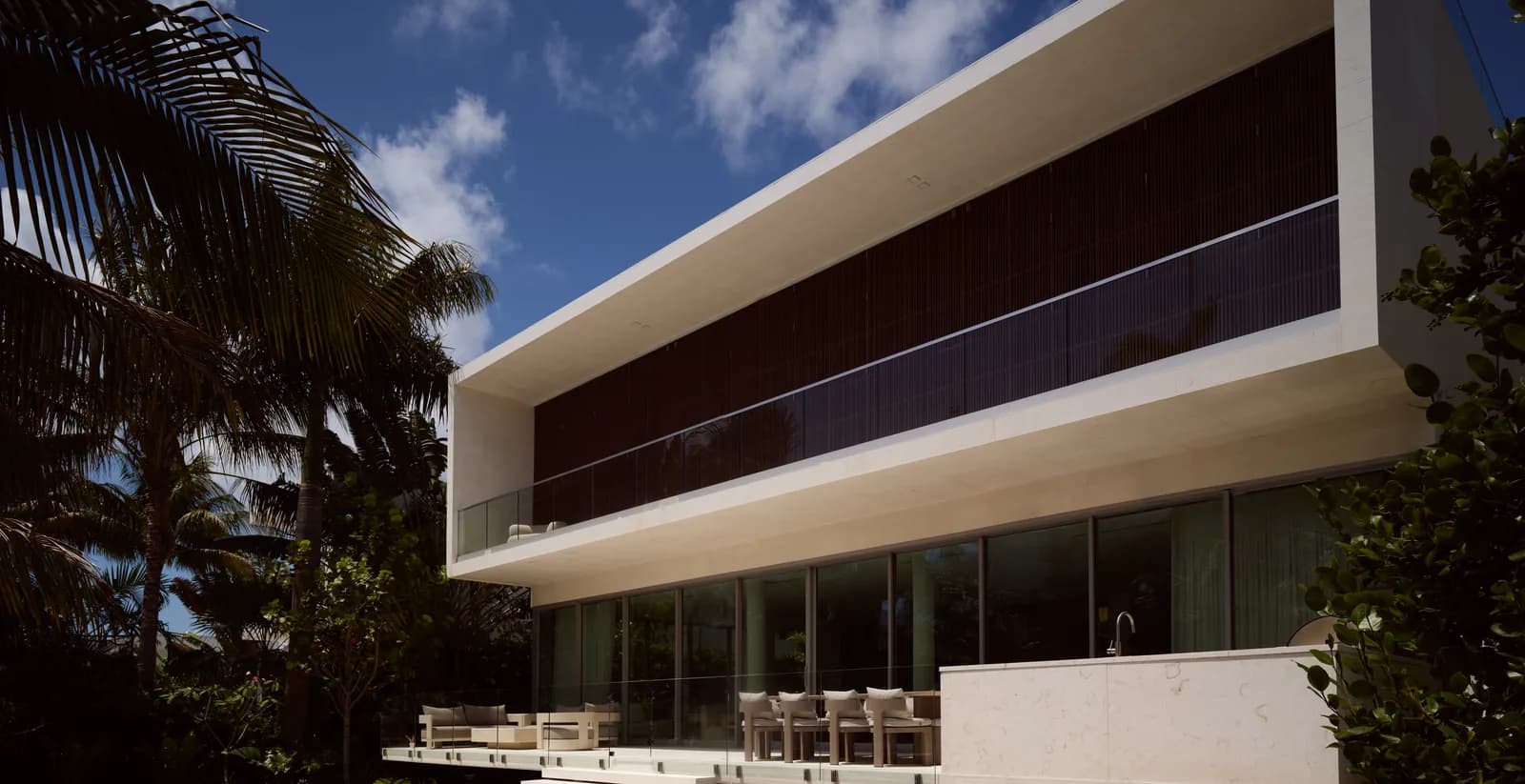
The Pool Is the Main Room, Not an Amenity
In a Miami luxury home, the pool gets designed before the bedrooms do. Here is why Luxom treats it as the first room on the plan, not a rectangle added to the yard later.
Development · Aug 1, 2026 · 6 min
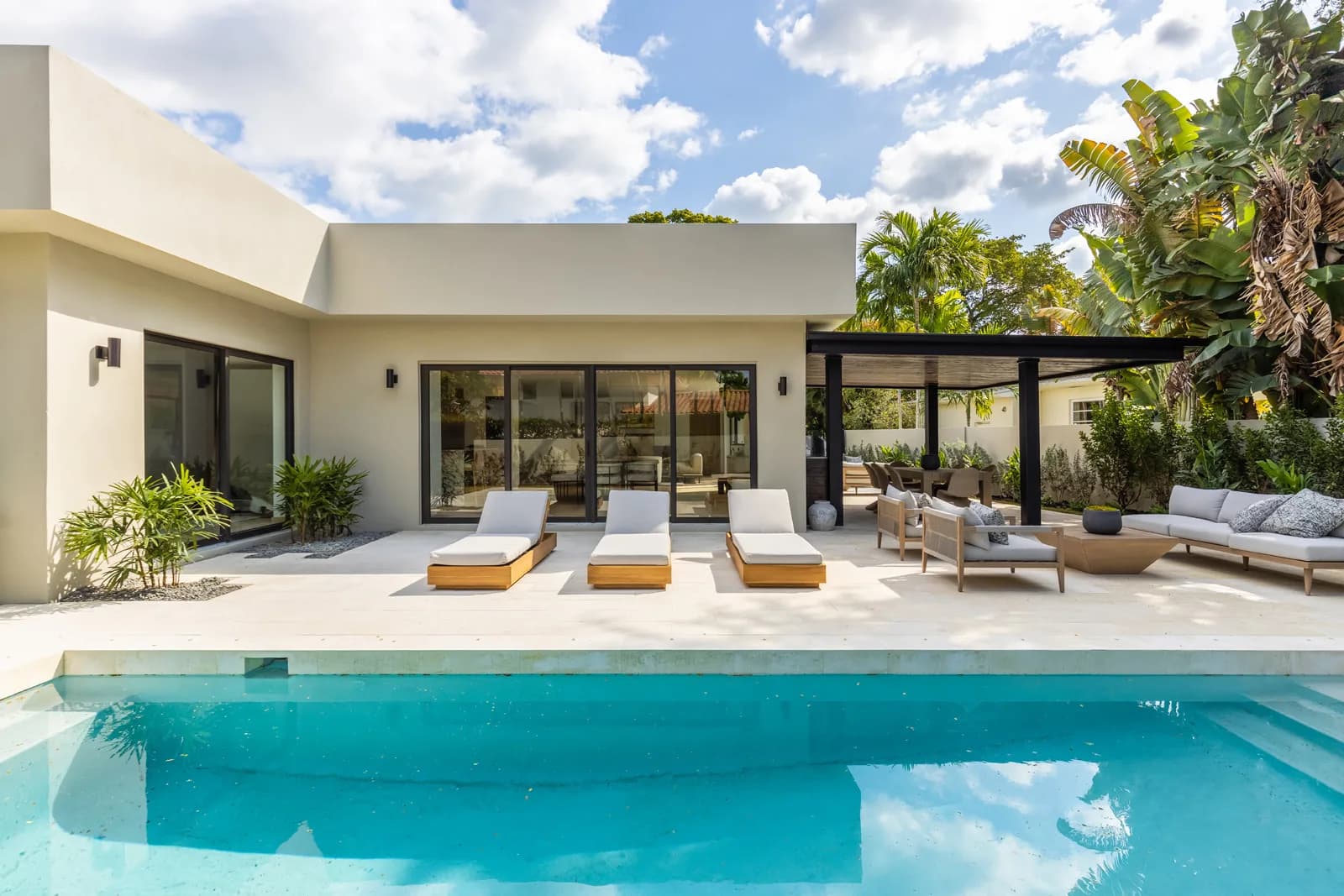
Building the Backyard Pool at Samana, Start to Finish
From excavation to a brim full turquoise pool: how the backyard at our Samana Residence in Coconut Grove came together, phase by phase, on the same schedule as the rest of the build.
Interiors · Jul 31, 2026 · 4 min
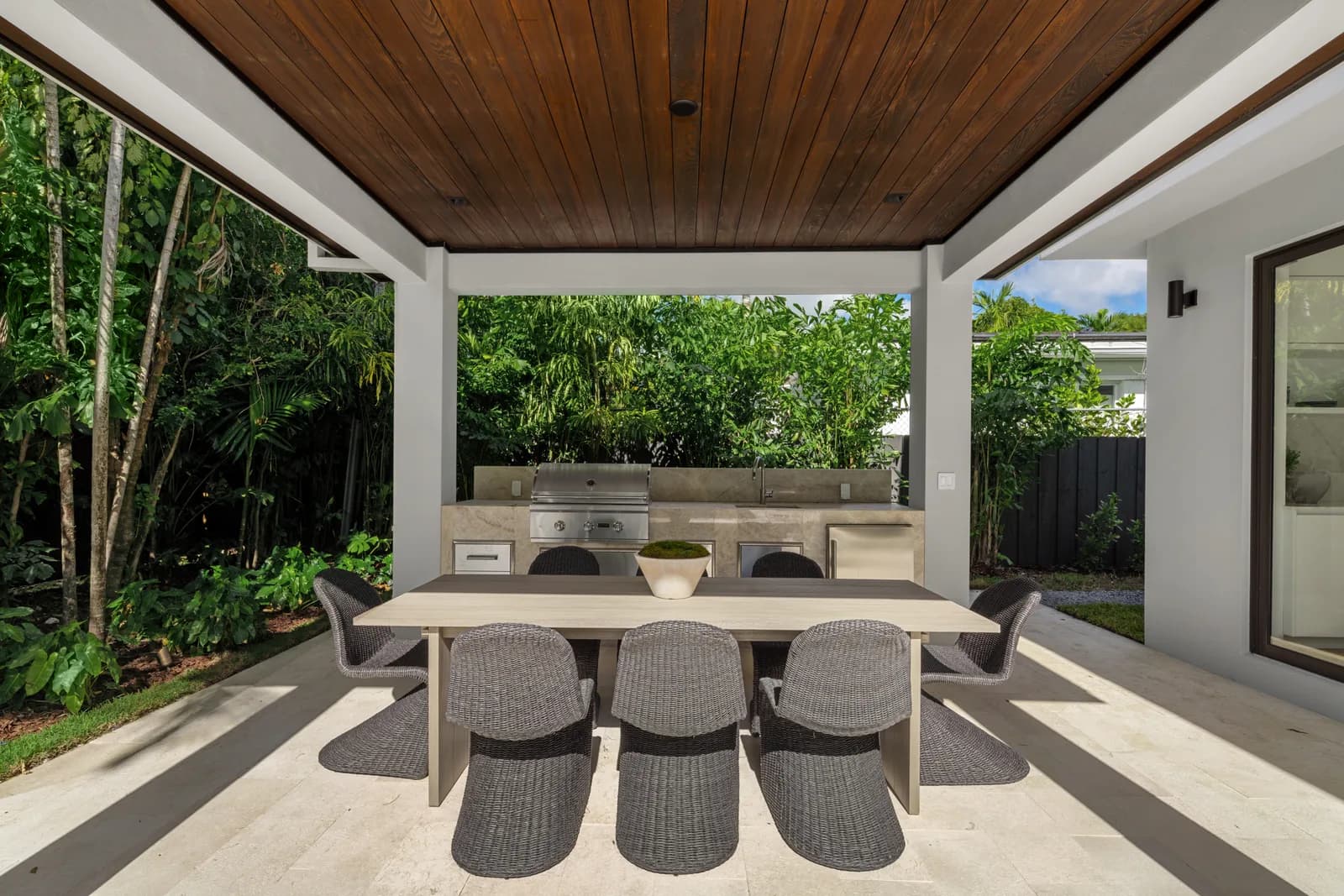
Outdoor kitchen design: layout and materials for the tropics
How to plan an outdoor kitchen that survives a Miami climate: the working layout, the finishes that hold up to salt and sun, and the details that decide whether it lasts.