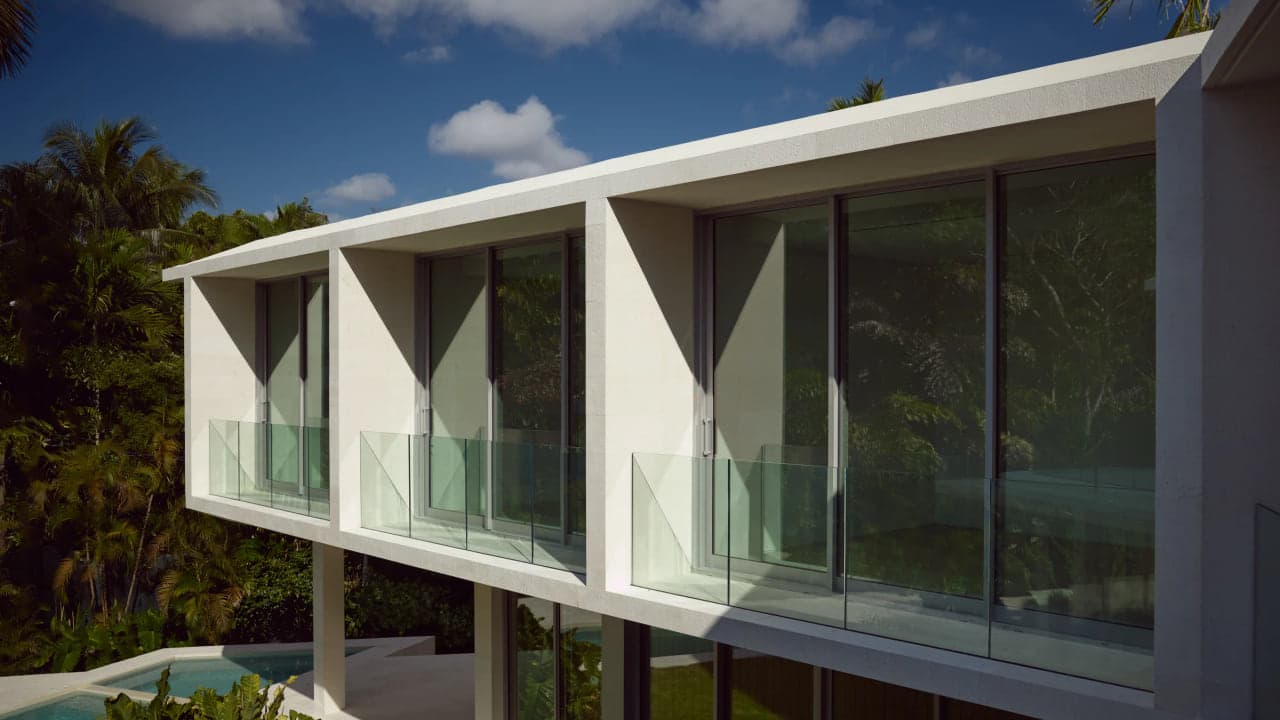
How Luxom Chooses an Architectural Style for a Coconut Grove Lot
Style lists rank categories by taste. What actually decides Mediterranean Revival, Miami Modern or contemporary glass and concrete is the lot itself, its canopy, setback and light.
Luxom Studio · LUXOM Developments
· 4 min read · Last reviewed
Key takeaways
- Public lists of architectural styles run anywhere from seven to seventeen named categories, and none of them rank a style against an actual lot.
- A lot's oak canopy, setback and orientation narrow the real shortlist before a single elevation is drawn.
- Mediterranean Revival still earns its place in Coconut Grove when a lot's massing and street presence call for it, not as a default.
- Miami Modern and contemporary glass and concrete read differently depending on how much canopy shade and privacy the site already provides.
- The same proportion and sequence discipline behind any Luxom build decides which style earns the site, not the other way around.
Editor's note
Search "luxury architectural design styles" and the results are lists, seven categories, ten categories, seventeen categories, each ranked by how the style looks in a photo. None of them start from the lot. The real shortlist for a Coconut Grove site is shorter and gets decided by the canopy, the setback and the light before a single style name comes up.
Why a style list is the wrong place to start
Public lists of architectural styles range from seven categories to seventeen, a pattern also visible in 2026's biggest home design trends, which ranks styles by mood rather than by site. Regional guides do the same: a Montecito style guide names Spanish Revival, modern, ranch and cottage as parallel options without saying which lot each one actually fits. That framing sells well because it is easy to scroll, but it skips the step that actually matters: whether a lot can carry the style at all. A deep, narrow lot under a mature oak canopy cannot support the same massing as an open, sun exposed parcel, no matter how much a buyer likes a given look in a reference photo. The same discipline that decides what makes architecture read as luxury rather than merely expensive, proportion and sequence fit to the site, applies before style enters the conversation.
What a Coconut Grove lot's canopy and setback actually decide
A typical Coconut Grove lot comes with an existing oak canopy, a shallow front setback and a narrow street frontage relative to its depth. Canopy shade reduces how much glazing a facade needs for daylight, which narrows out styles that depend on large unbroken glass walls for their identity. A shallow setback limits how much a facade can step back and forward for depth, which rules out heavily articulated Revival massing on the tightest lots. Orientation decides which rooms get morning or afternoon light, and that in turn decides whether an open, glass forward plan or a more enclosed, courtyard driven plan reads as comfortable rather than simply hot.
Where Mediterranean Revival still earns its place
Mediterranean Revival architecture, with its stucco massing, tile roofs and arched openings, still earns its place on Coconut Grove lots with generous setback and a street presence that calls for a more formal facade. It reads as considered rather than dated when the massing is proportioned correctly and the ornament is restrained, the same material honesty argument made about Mies van der Rohe's design philosophy applied to a different vocabulary. Where it fails is on a shallow, canopy heavy lot, where the style's need for open wall area to carry arches and tile detail runs straight into a site that wants glazing, not mass.
Pull quote
A style list ranks categories by taste. A lot ranks them by canopy, setback and light, and that list is always shorter.
Why Miami Modern and Coastal Contemporary fit different lots
MiMo architecture, Miami's own midcentury modern variant, and the newer Coastal Contemporary vocabulary both favor horizontal lines, deep overhangs and a closer connection between inside and outside. They tend to suit open, well oriented lots where canopy shade is lighter and a facade can use more glass without overheating the rooms behind it. On a heavily canopied lot, the same glass forward approach that reads as effortless on an open site can instead read as a maintenance problem, condensation, glare control and structural shading all have to be solved rather than assumed. The structural clarity behind that choice, where a facade's form follows what the structure is actually doing, is the same logic covered in what Zaha Hadid's Miami tower teaches about structure as form.
How Luxom narrows the list before drawings start
Before a style is chosen, the canopy gets surveyed, the setback and orientation get checked against the buildable envelope, and the light at each facade gets walked at different times of day. That site read typically narrows a seventeen item public list down to two or three real candidates, sometimes one. Only then does the conversation move to which of those candidates the buyer actually prefers, and the structural drawings get built around that answer rather than around a style chosen from a photo first and reconciled with the site later.
Pull quote
A style list ranks categories by taste. A lot ranks them by canopy, setback and light, and that list is always shorter.
Filed under
Questions about choosing an architectural style for a Coconut Grove lot
01What are the 17 most important architectural styles?
Lists like this usually run from Mediterranean Revival and Colonial through Midcentury Modern, Brutalist and Contemporary, and they are a reasonable glossary for naming what you are looking at. What they leave out, covered in why a style list is the wrong place to start, is any ranking by site. A seventeen item list treats every style as equally available, when a given lot's canopy and setback usually rule out most of them before taste enters the conversation, a point also made in 2026's biggest home design trends, which argues authenticity now beats a polished, catalog look.
02What are the 10 main architectural styles?
Shorter tens tend to collapse regional variants into broader families such as Revival, Modern and Contemporary, which is useful shorthand but still says nothing about fit. In Coconut Grove specifically, as covered in what a lot's canopy and setback actually decide, a mature oak canopy and a narrow, deep lot rule out styles built for open, sun exposed sites long before a shorter or longer list would suggest.
03What are the 12 main types of architecture?
Whether a list settles on ten, twelve or seventeen categories, it is drawing the same lines differently, Revival styles on one side, Modern and Contemporary on the other, with regional variants like MiMo architecture sitting in between. The number of categories matters less than the question covered in how Luxom narrows the list before drawings start: which two or three of those twelve actually suit the site in front of you.
04What are the 7 main types of interior design styles?
Interior style lists, typically Modern, Contemporary, Minimalist, Traditional, Transitional, Industrial and Coastal, describe finishes and furniture, not the architecture underneath them. As argued in what makes architecture read as luxury, not just expensive, an interior style choice cannot fix a building whose proportion and sequence were never resolved at the structural stage, regardless of which of the seven categories the furniture plan follows.
05Can Mediterranean Revival and a modern glass house sit on the same Coconut Grove street?
Yes, and they regularly do, because Coconut Grove's lots vary enough in canopy, setback and street width that both a Mediterranean Revival massing and a contemporary glass and concrete volume can read as correct on different parcels a few doors apart, a contrast covered in where Mediterranean Revival still earns its place. What does not work is choosing the style first and forcing the lot to accommodate it.
Explore the portfolio
Projects to see


Talk to the studio
If this belongs in your home, our studio will draw the plan.
Initial conversation, 30 minutes. We listen to the brief and respond with a scoped proposal within five working days. You can also read the services page for typical timelines and fees.
Written by Luxom Studio · LUXOM Developments
The design and development studio behind LUXOM residences in Coconut Grove, Miami
Keep reading
From the journal
Architecture · Sep 26, 2026 · 4 min
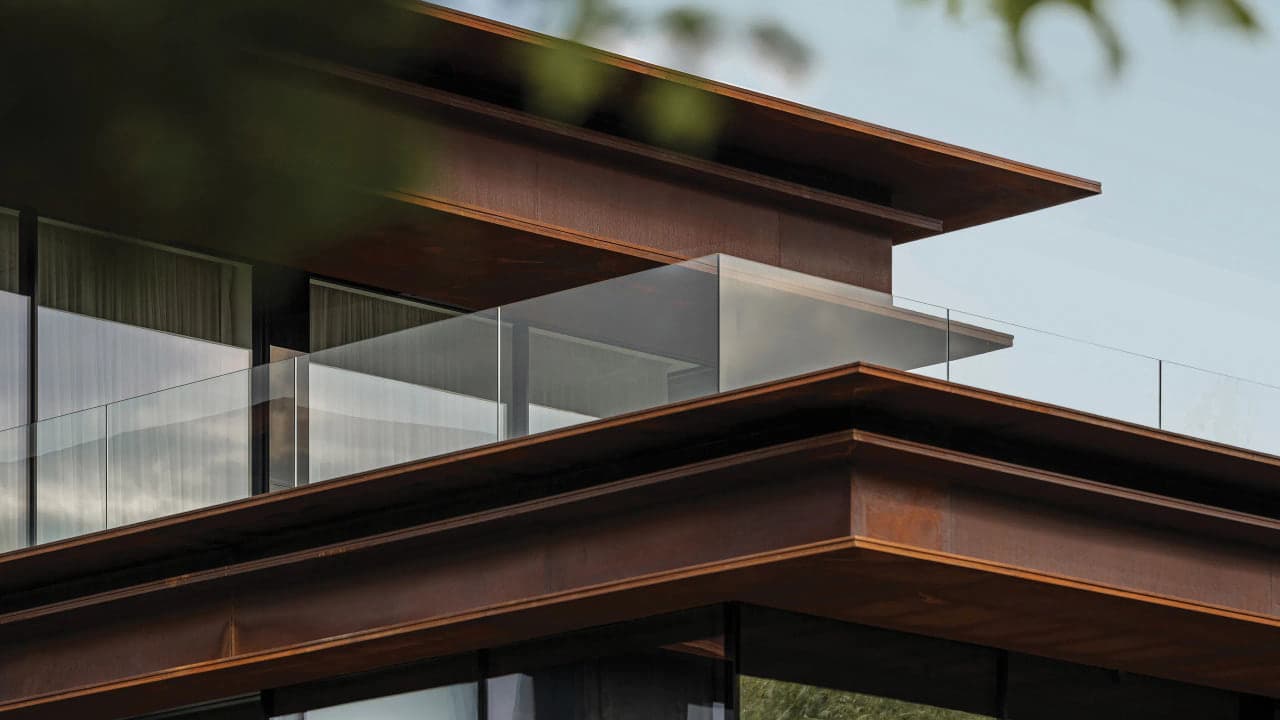
What Makes Architecture Read as Luxury, Not Just Expensive
Luxury in architecture is not square footage or finish cost. It is proportion, sequence and material honesty decided before a single finish is chosen.
Philosophy · Aug 7, 2026 · 6 min
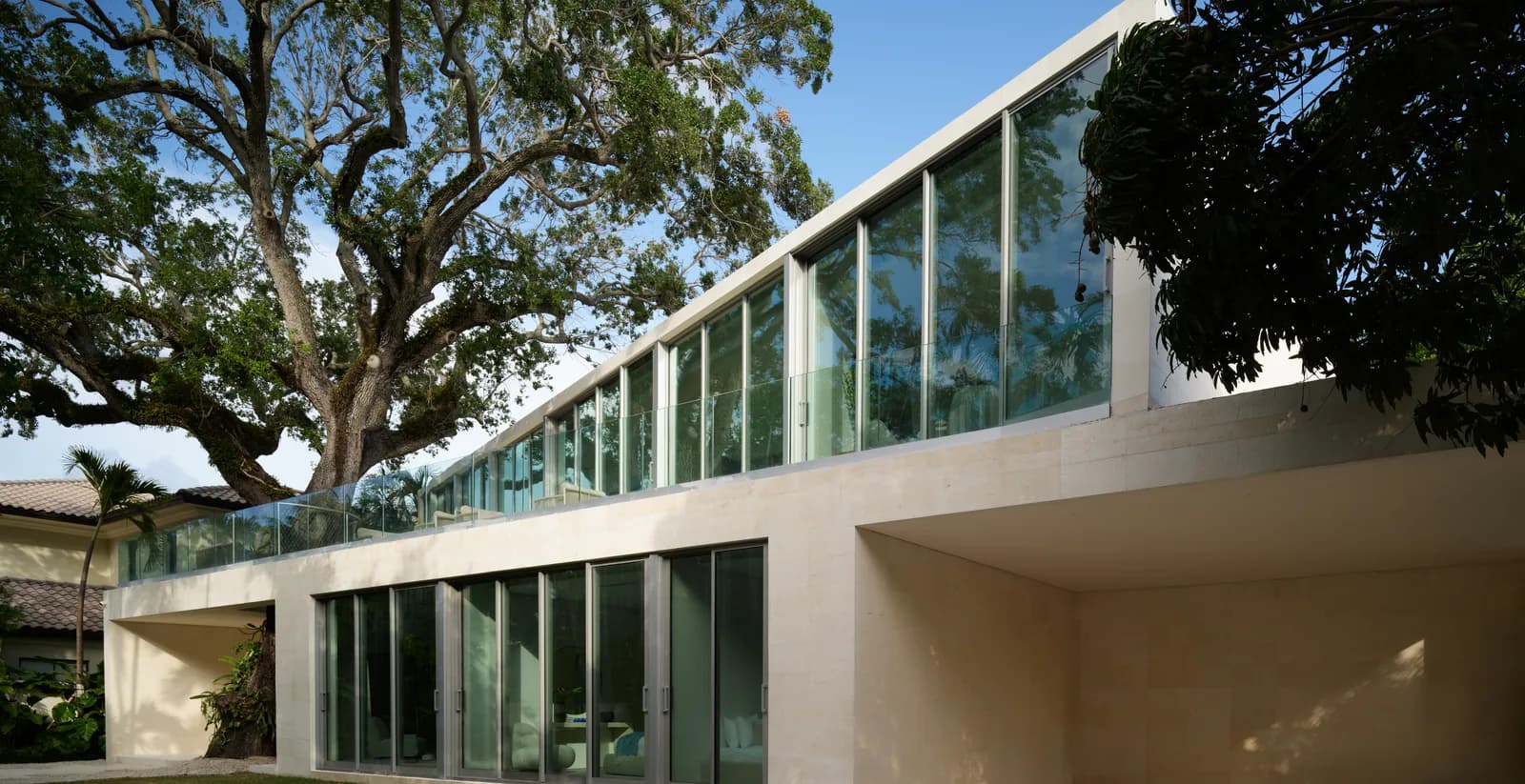
What Mies van der Rohe Taught Luxom About Building
A line long attributed to Mies van der Rohe, that architecture starts when two bricks are carefully put together, reads as history. At Luxom it reads as a daily standard for materials, proportion and restraint.
Architecture · Sep 27, 2026 · 5 min
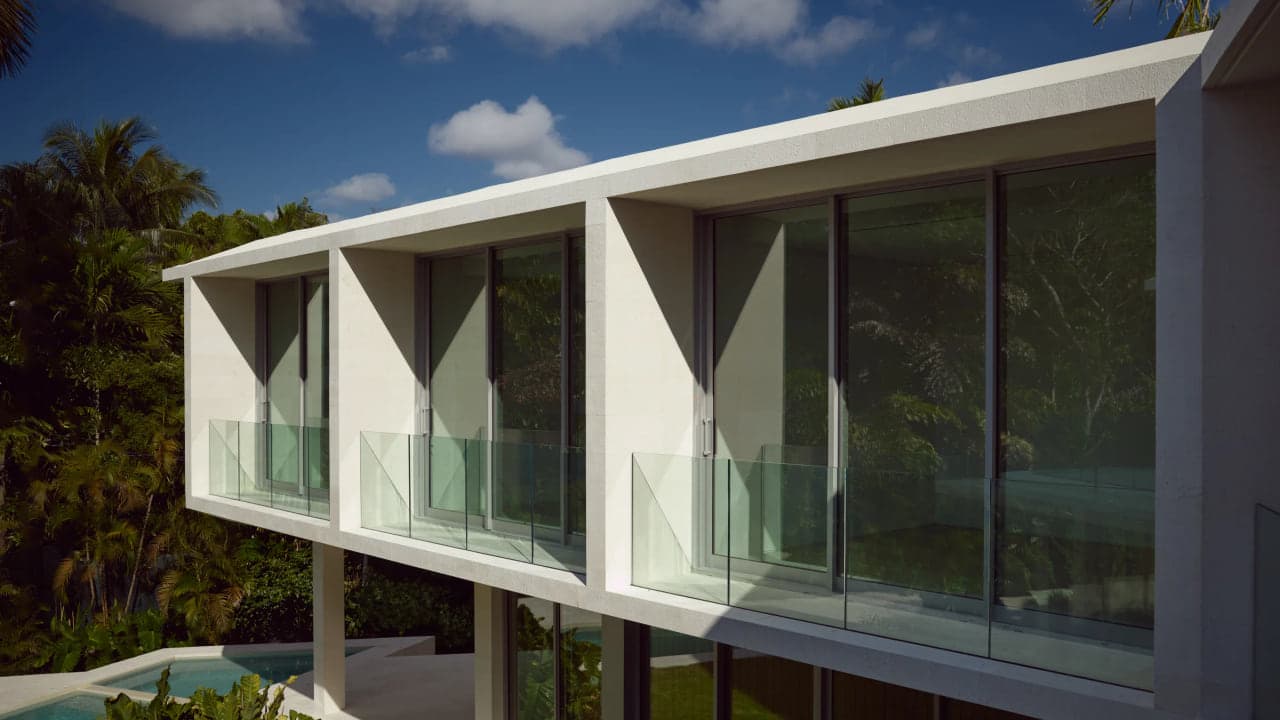
What Zaha Hadid's Miami Tower Teaches About Structure as Form
One Thousand Museum is the only Zaha Hadid building in Miami, a tower whose structure is also its ornament. Here is what that idea actually carries over to a custom home, and what does not.