The Tub Decides the Bathroom: A Buyer's Guide
The tub is the one fixture that has to be chosen before anything else in the room. A working comparison of freestanding, built-in, stone-carved and soaking tubs, and what each one decides for the space around it.
Luxom Studio · LUXOM Developments
· 4 min read · Last reviewed
Key takeaways
- The tub is usually the first fixture decided in a bathroom, not the last, because its shape and plumbing dictate where the drain, the window and the stone seams can go.
- A freestanding tub needs clearance on every side that a built-in tub does not, so it asks for a larger footprint before a single finish is chosen.
- Stone-carved and solid-surface tubs read as sculpture, but they are heavy enough that the floor structure has to be checked before one is specified.
- Material changes how long a bath stays warm: cast iron and stone hold heat the longest, acrylic and fiberglass lose it fastest.
- A compact, deep soaking tub in the Japanese ofuro tradition can fit a small footprint that a long freestanding tub cannot, trading length for depth.
From the feed
A listicle reel asked which tub type wins. The honest answer is that the tub is not the last choice in a bathroom, it is the first one, and everything else, the drain location, the window line, the stone seam, gets planned around it.
Why the tub gets chosen first
Most of the decisions in a bathroom, the tile, the vanity, the lighting, can be adjusted right up until installation. The tub cannot. Its shape sets the drain location, its weight sets what the floor structure has to support, and its finished sides determine whether it needs a stone surround or stands finished on its own. That is why, on a real renovation or new build, the tub gets specified before the stone package, the plumbing rough-in and the window placement are finalized, not after.
Freestanding tubs and the floor space they ask for
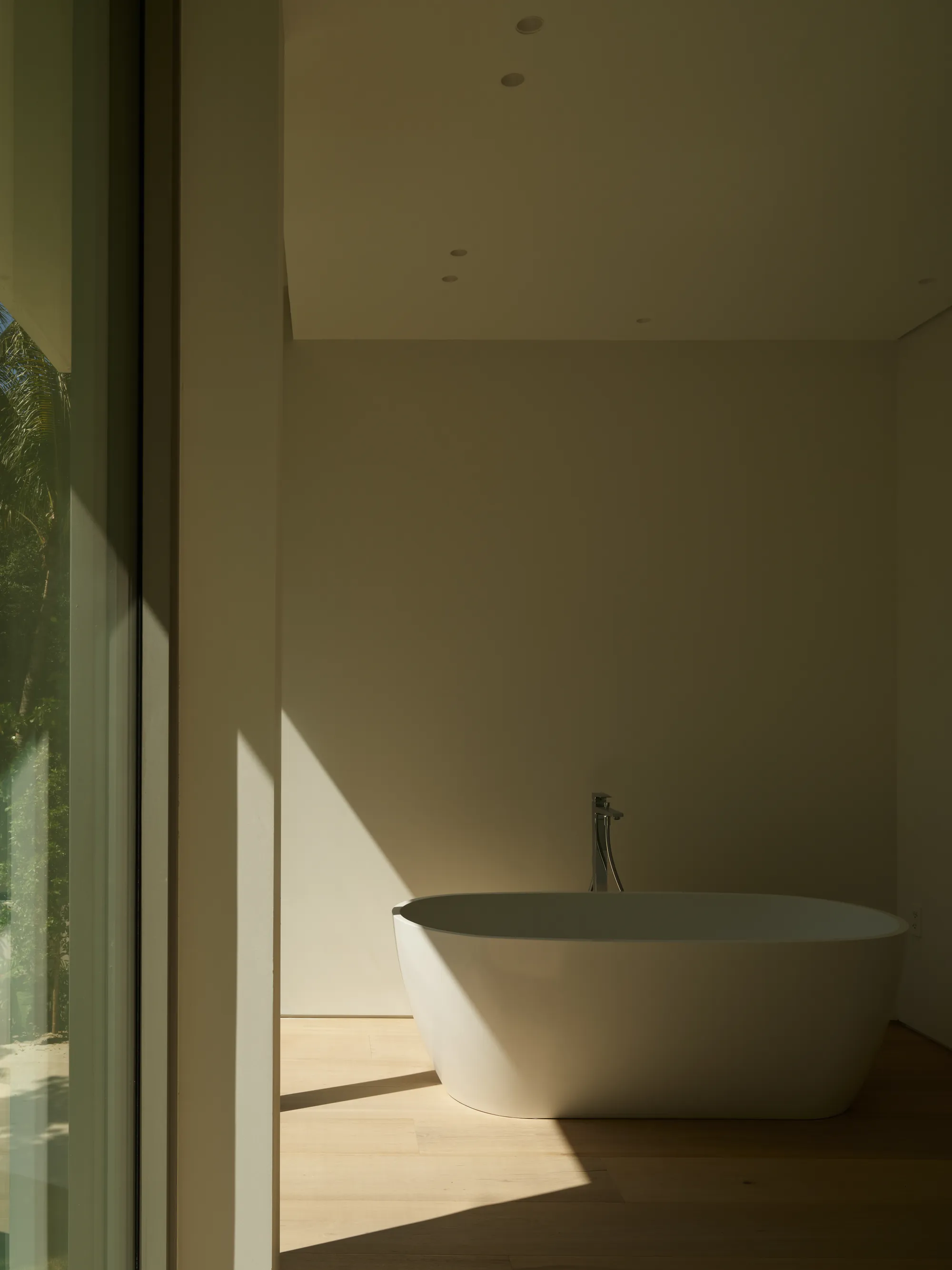
A freestanding tub is finished on every visible side and needs clearance on all open sides, both for cleaning and so the tub filler can reach the basin comfortably. That clearance requirement usually pushes the tub away from the walls and toward the center or a dedicated alcove of the room, which in turn shapes where the shower, the vanity and the window can sit. Our spa bathroom design guide walks through how that single placement decision cascades into the rest of a spa-style layout.
Built-in and undermount tubs paired with stone surrounds
A built-in or undermount tub sits inside a framed alcove, a stone platform or a tiled deck, with only the rim and interior finished. Because the surrounding structure carries the visible finish, a built-in tub is often the more practical choice when the design calls for a continuous stone surface, since the same slab or tile run that clads the shower wall can wrap the tub deck without a seam where the tub itself begins. Our guide to choosing natural stone covers how slab selection and seam planning work for a surface like this.
Stone-carved and solid-surface tubs as a centerpiece
A tub carved from a solid block of stone, or built up from thick matched slabs, functions as the visual centerpiece of the room rather than a fixture tucked against a wall. The tradeoff is weight: a solid stone tub can weigh several times more than an acrylic or cast iron tub of the same size, with that load concentrated in one area of the floor rather than spread out. Any project considering one needs the floor framing checked by a structural engineer before the tub is ordered, and needs the stone seam, if there is one, planned before the block is cut, the same discipline that governs a book-matched shower wall.
Material and heat retention: acrylic, cast iron, copper, stone
Tub material changes more than looks. Cast iron and stone are dense enough to absorb heat from the bath water and radiate it back slowly, which keeps a soak warmer for longer. Copper behaves similarly and develops a living patina over time. Acrylic and fiberglass tubs are lighter, less expensive and easier to install, but their thinner walls lose heat faster, so a bath in one tends to cool sooner than the same bath in cast iron or stone.
Japanese soaking tubs in a compact footprint
A Japanese-style soaking tub, known as an ofuro, is shorter and considerably deeper than a standard Western tub, designed for sitting upright with the water at chest height rather than lying flat. That proportion trades length for depth, which lets it fit into a footprint that would be too small for a long freestanding tub. Our travertine bathroom guide documents a real built bathroom, the primary suite at the Ingraham Residence, where a freestanding tub was paired with a full travertine surround, the same sequencing logic, tub first, stone second, that applies whatever the tub's shape.
What the tub decides for the rest of the room
Once the tub type is set, the rest of the room follows: the drain and supply lines are routed to match its footprint, the window and mirror get sited so they do not fight the tub's sightline, and the stone or tile package is chosen to suit the tub's finished sides, either wrapping it in a surround or leaving it to stand finished on its own. Getting this sequence right the first time is the difference between a bathroom that reads as one composed room and one that reads as a tub dropped into a space planned for something else.
If a renovation is on the table, the tub is the fixture to decide first, before the stone samples come out. For a broader look at how material, light and layout come together as one system rather than separate purchase decisions, see our spa bathroom design guide, or get in touch to talk through a bathroom renovation.
Further reading from the Luxom journal on the same rooms: the spa bathroom design guide at https://luxomdevelopments.com/journal/spa-bathroom-design-ideas, the travertine bathroom guide at https://luxomdevelopments.com/journal/travertine-bathroom, and the natural stone guide at https://luxomdevelopments.com/journal/natural-stone-countertops-guide.
Pull quote
Pick the tub first. Everything else in the room, the drain, the window, the stone seam, gets planned around it.
Filed under
Questions about choosing a bathtub type
01What is the difference between a freestanding tub and a built-in tub?
A freestanding tub stands clear of the walls on its own base or feet, finished on every visible side, and its supply lines typically run up through the floor to a floor-mounted or wall-mounted filler. A built-in tub is set into a framed alcove or a stone surround, with only the interior face and the rim finished, since the rest sits against a wall or platform. See why the tub gets chosen first for how that structural difference changes what gets planned around it, and The Spruce's guide to bathtub types for a broader rundown of tub shapes and price tiers.
02Does a freestanding tub need more floor space than a built-in one?
Generally yes. A freestanding tub needs clearance on every open side for cleaning and for the tub filler's reach, plus walking room to get around it, while a built-in tub only needs clearance on its open face because the other sides sit against a wall or platform. Our spa bathroom design guide covers how that clearance requirement interacts with the rest of the layout, including where the shower and vanity can go.
03Are stone-carved bathtubs heavy enough to need structural reinforcement?
A solid stone tub, carved from a single block or built up from thick slabs, can weigh several times what an acrylic or cast iron tub of the same size weighs, and that load is concentrated rather than spread across a wide base. Our guide to choosing natural stone covers how slab weight factors into planning for stone surfaces generally, and any project considering a solid stone tub should have the floor framing checked by a structural engineer before the tub is ordered.
04What tub material holds heat the longest during a soak?
Cast iron and stone hold heat the longest because their mass absorbs and re-radiates warmth slowly, which is why both have stayed in use for soaking tubs for generations. Acrylic and fiberglass are lighter and less expensive but lose heat faster, so a bath in either one tends to cool noticeably sooner than the same bath in cast iron or stone. See material and heat retention below for how each material compares, and Kohler's bathroom inspiration guide for a manufacturer's overview of tub material options.
05Can a Japanese soaking tub fit into a small primary bathroom?
Often yes. A Japanese-style soaking tub, or ofuro, is shorter and deeper than a standard Western tub, built for sitting upright with the water at chest height rather than lying flat, so it can fit a footprint that a long freestanding tub cannot. See Wikipedia's overview of the ofuro for the bathing tradition behind the shape, and our travertine bathroom guide for how a compact tub can still be paired with a full stone surround in a real, built bathroom.
Explore the portfolio
Projects to see


Talk to the studio
If this belongs in your home, our studio will draw the plan.
Initial conversation, 30 minutes. We listen to the brief and respond with a scoped proposal within five working days. You can also read the services page for typical timelines and fees.
Written by Luxom Studio · LUXOM Developments
The design and development studio behind LUXOM residences in Coconut Grove, Miami
Keep reading
From the journal
Interiors · Jul 28, 2026 · 4 min
Designing the spa bathroom at home
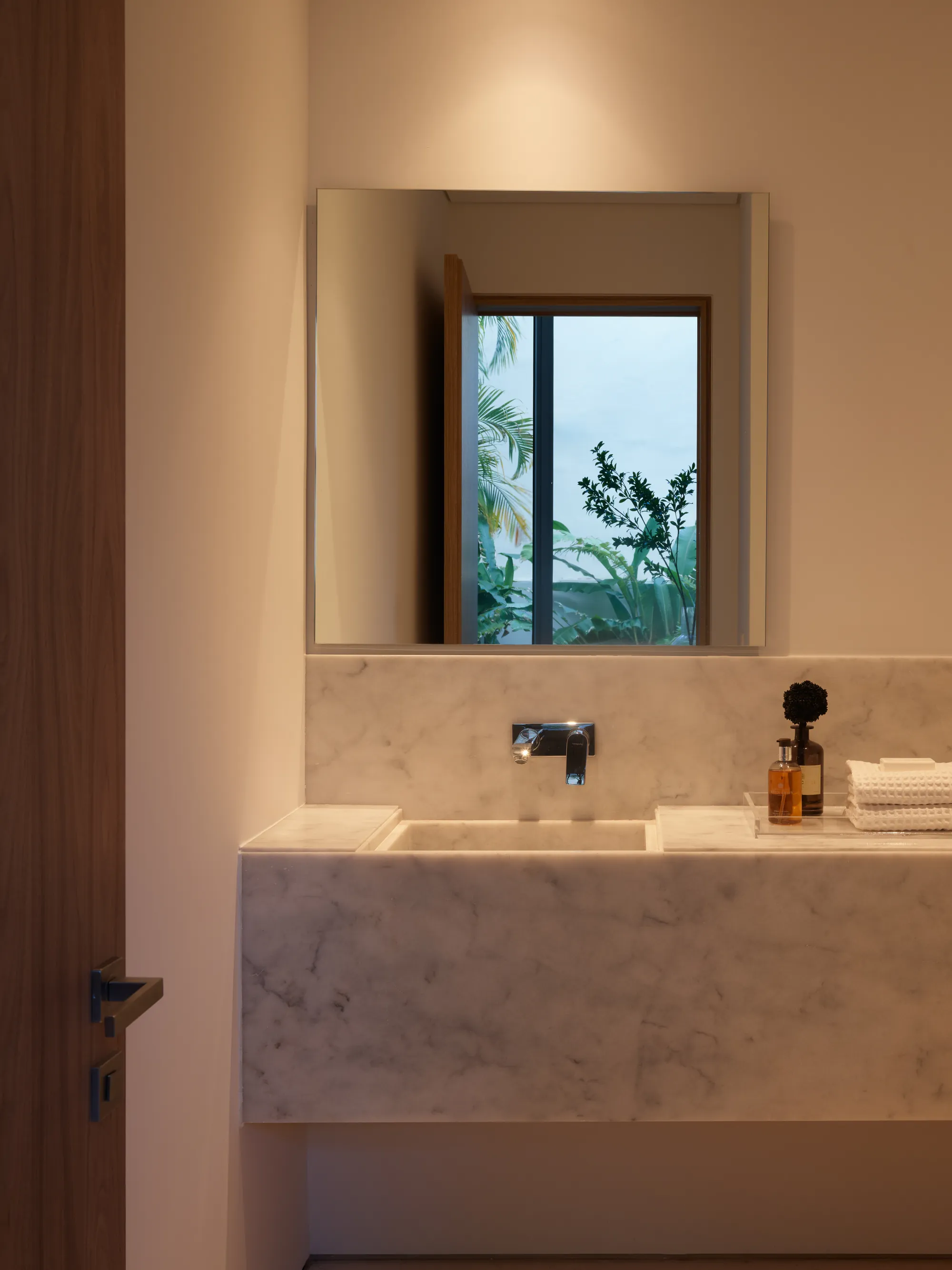
The spa bathroom is made from a short list of decisions: warm materials, layered light, and a layout that gives the room room. How to design one that actually calms.
Materials · Aug 2, 2026 · 4 min
Travertine in the bathroom: warmth underfoot
Why travertine has become the bathroom stone of choice: the warmth it brings underfoot, how it handles water, and how to seal and care for it so it lasts a lifetime.
Materials · Jul 18, 2026 · 4 min
Choosing stone: quartzite, marble, and travertine
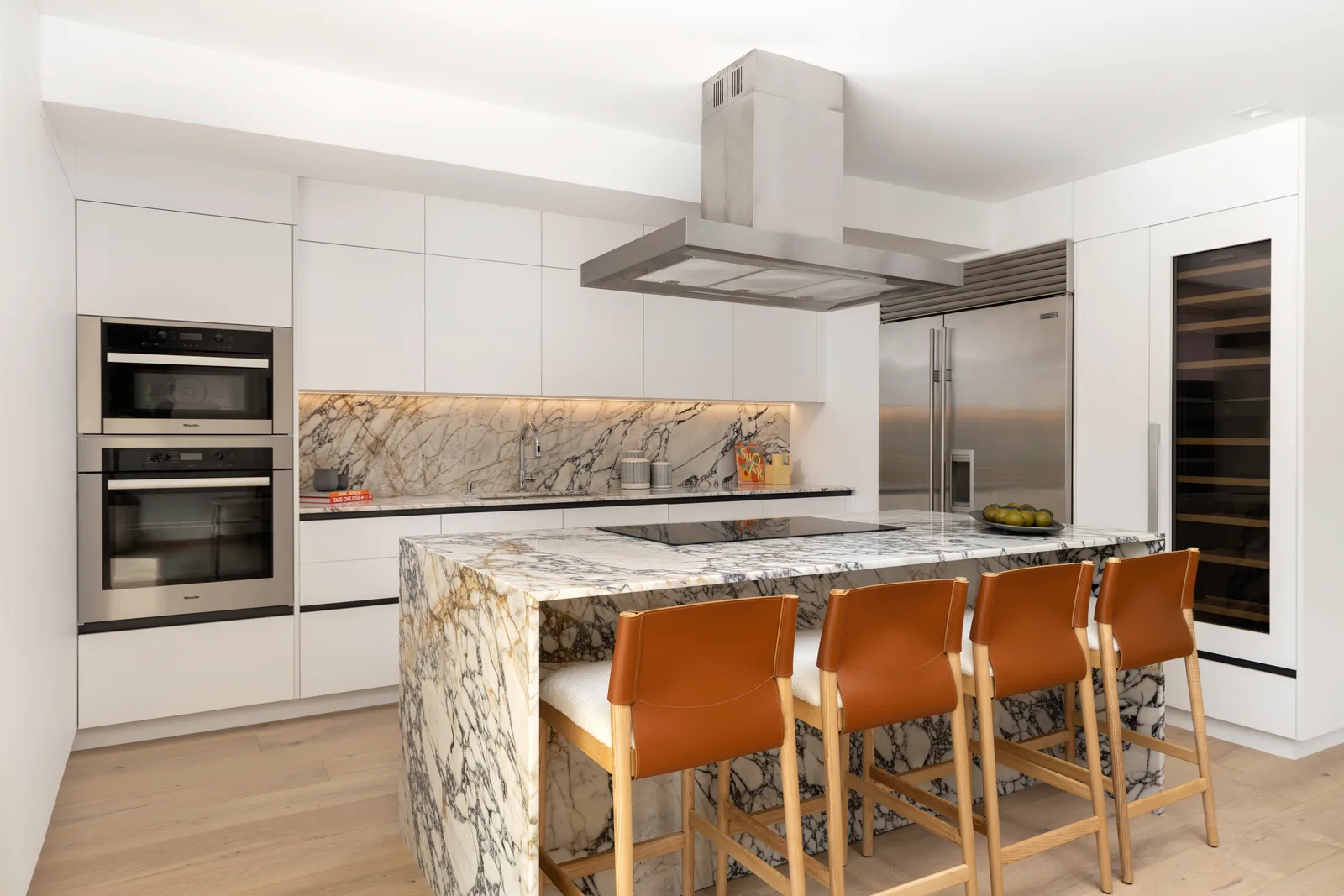
A working guide to natural stone countertops. How quartzite, marble and travertine differ in hardness, look and upkeep, and when each is the right choice.