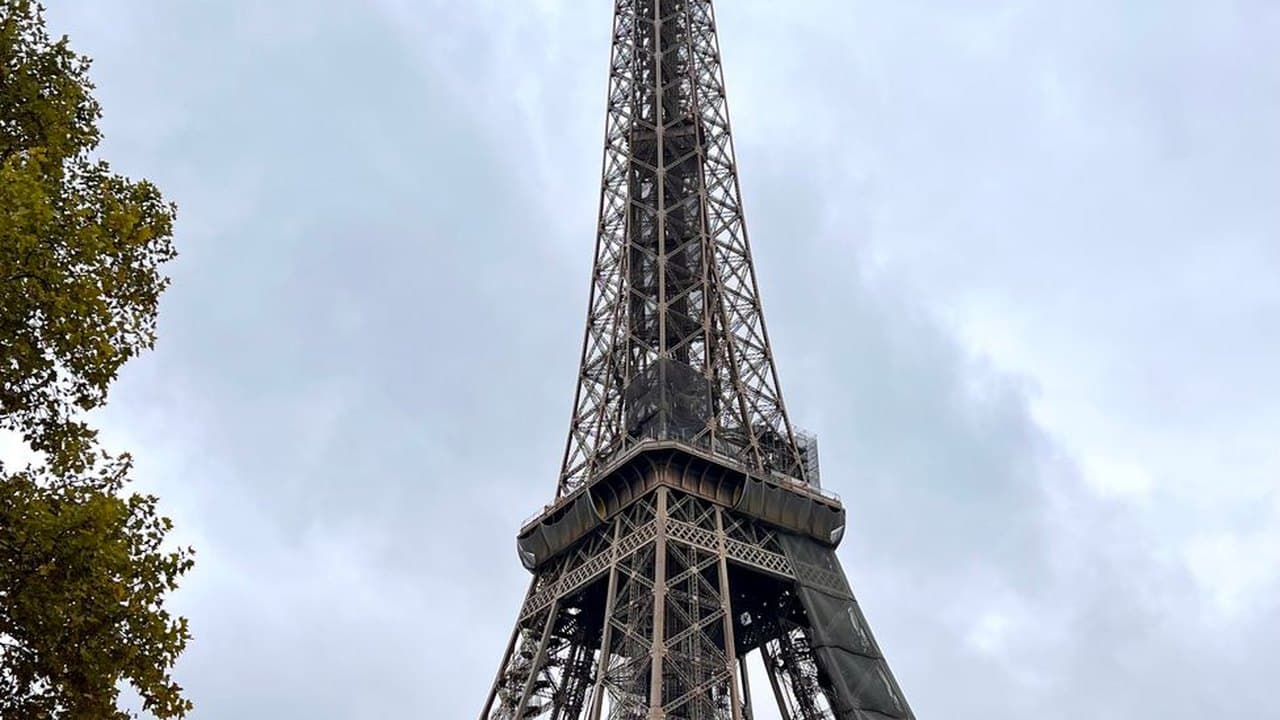
The Buildings the World Hated at First
The Eiffel Tower, the Louvre Pyramid and the Centre Pompidou were all attacked when they went up. The full stories, and why great architecture is often uncomfortable at first.
Luxom Studio · LUXOM Developments
· 2 min read · Last reviewed
Key takeaways
- In February 1887 a group of artists and writers published a protest in the Paris newspaper Le Temps against the Eiffel Tower, two years before it was completed for the 1889 World's Fair.
- I. M. Pei's glass pyramid for the Louvre was fiercely debated after the design was presented in the 1980s, and it opened in 1989.
- The Centre Pompidou, by Renzo Piano and Richard Rogers, opened in 1977 with its pipes and structure on the outside, and critics compared it to an oil refinery.
- All three are now among the most visited and recognizable buildings in the world.
Editor's note
Some of the most loved buildings in the world were hated when they went up. This is the guide we send to anyone who comments HATED on our reel: the full story behind each one, and what it says about building something worth remembering in Miami.
Paris Protested the Eiffel Tower Before It Was Finished
In February 1887, while the Eiffel Tower was still under construction, a group of artists and writers published a protest in the Paris newspaper Le Temps. They called the iron tower useless and monstrous, and argued it would humiliate the monuments of Paris.
The tower was completed for the 1889 World's Fair. It was meant to be temporary. It became the symbol of the city, and the same exposed iron that offended its critics is what made it impossible to forget.
The Louvre Pyramid Was Attacked for Years
When I. M. Pei presented his design for a glass pyramid in the main courtyard of the Louvre in the 1980s, the reaction was fierce. A modern glass and steel structure in front of a historic palace felt to many like a provocation.
The Louvre Pyramid opened in 1989. It solved a real problem, giving the museum a single central entrance with light pouring into the space below, and it is now one of the most photographed structures in Paris.
Paris Called the Centre Pompidou an Oil Refinery
The Centre Pompidou, designed by Renzo Piano and Richard Rogers, opened in 1977 with its structure, pipes, ducts and escalators on the outside of the building, each one color coded by function. Critics compared it to an oil refinery dropped into the middle of Paris.
The decision had a purpose: moving everything mechanical to the outside left the interior open and flexible. The building became one of the most visited cultural centers in the world.
Great Architecture Is Often Uncomfortable at First
The pattern is the same in all three stories. Each building made a clear decision that broke with what people expected, and each decision had a reason behind it. Time judged the reason, not the first reaction.
A private home does not need to provoke a city. But it should not be designed to offend no one either, because that is how a house ends up forgettable. On every residence we design and build in Coconut Grove, Miami, the goal is a clear idea carried out with discipline. To see what that looks like in a house, start with four residences, four ways to live in Coconut Grove.
Pull quote
If a building makes everyone comfortable on day one, it probably won't be remembered on day ten thousand.
Filed under
Questions about famous buildings that were hated when they were built
01Why did people hate the Eiffel Tower?
Many Parisian artists considered an exposed iron tower an insult to the city's stone architecture. In 1887 a group of them published a protest in Le Temps against what they called a useless and monstrous structure. See the Eiffel Tower story.
02Why was the Louvre Pyramid controversial?
Critics objected to placing a modern glass and steel structure in the courtyard of a historic palace. The pyramid opened in 1989 and became the museum's main entrance and one of its most photographed features.
03Who designed the Centre Pompidou?
Renzo Piano and Richard Rogers, working with Gianfranco Franchini, won the competition. Putting the pipes, ducts and escalators on the outside freed the interior for flexible galleries. Our piece on what famous architects did before they were famous covers Piano's start on his father's building sites.
04What does this mean for designing a home?
A design that only aims to be safe tends to age into anonymity. The buildings people remember made a clear decision. Our guide to what makes luxury architecture read as luxury explains how to make that decision without making it loud.
Explore the portfolio
Projects to see


Talk to the studio
If this belongs in your home, our studio will draw the plan.
Initial conversation, 30 minutes. We listen to the brief and respond with a scoped proposal within five working days. You can also read the services page for typical timelines and fees.
Written by Luxom Studio · LUXOM Developments
The design and development studio behind LUXOM residences in Coconut Grove, Miami
Keep reading
From the journal
Architecture · Oct 6, 2026 · 3 min
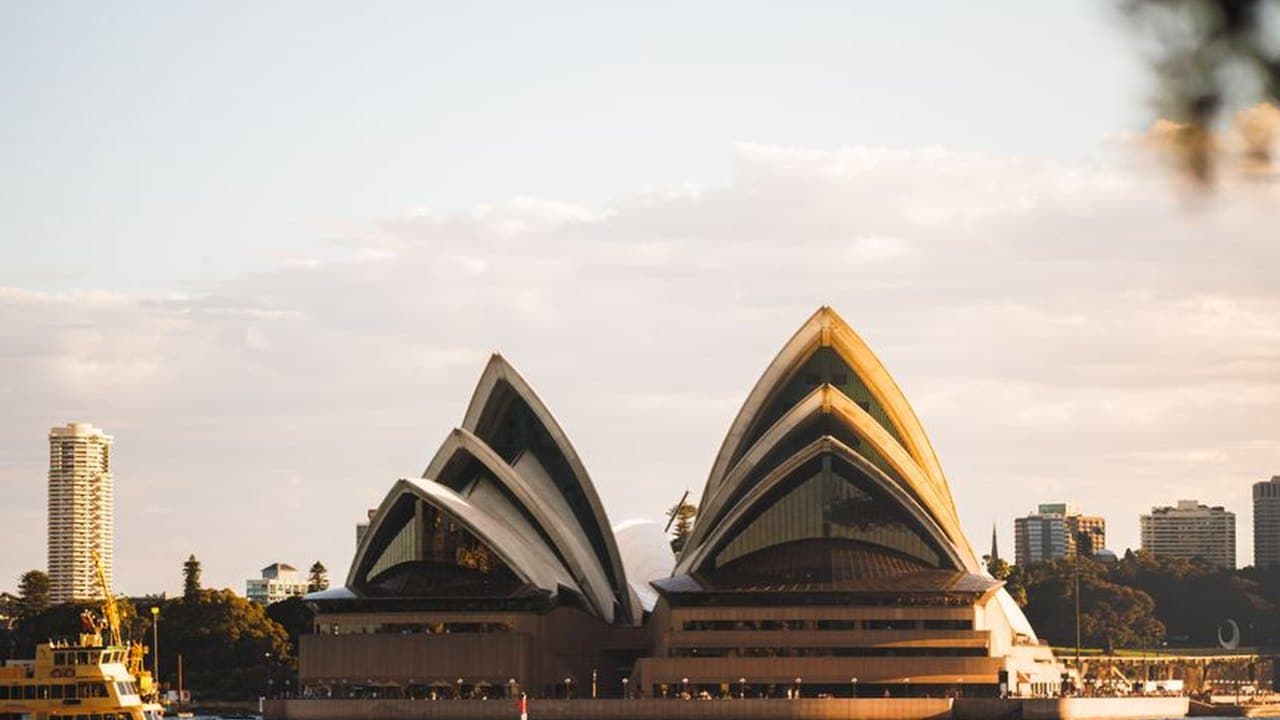
The Buildings They Said Were Impossible
The Sydney Opera House, the Sagrada Família and Zaha Hadid's first decade were all told no. What those stories teach about ambition, engineering and accountability on a building today.
Architecture · Oct 6, 2026 · 4 min
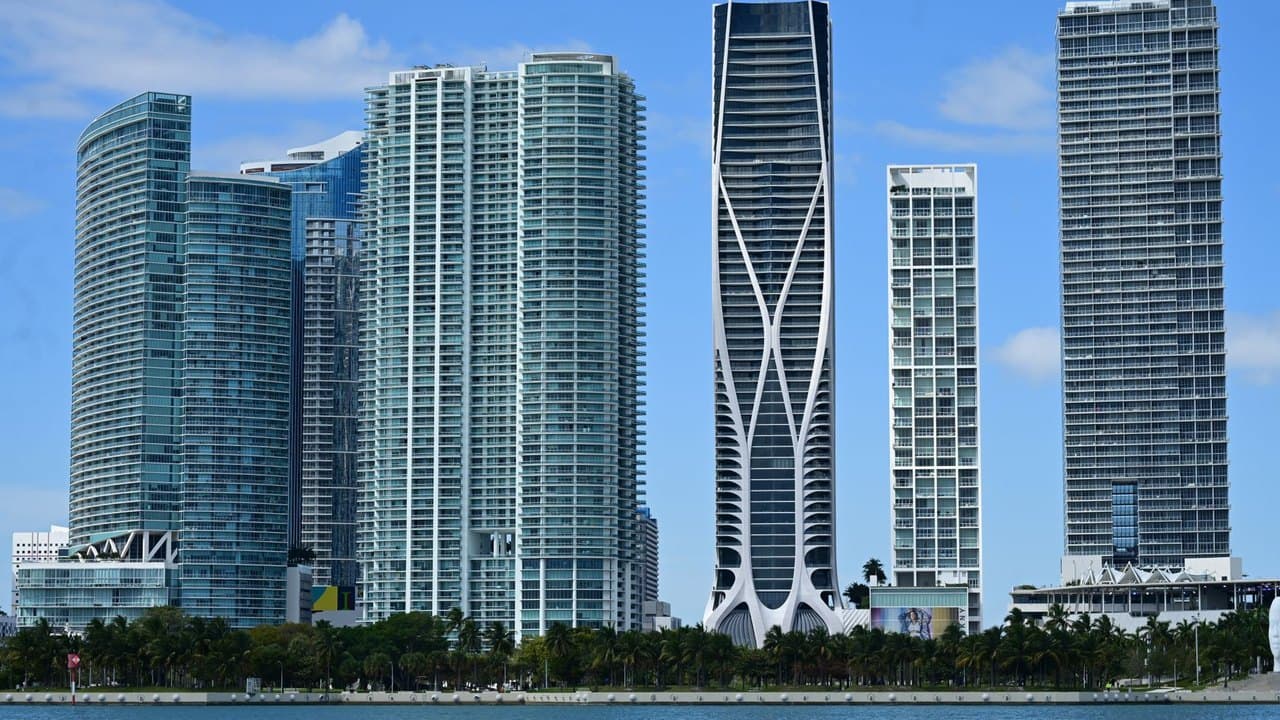
Six Buildings by World Famous Architects in Miami
Zaha Hadid, Frank Gehry, Herzog and de Meuron, Rem Koolhaas, Bjarke Ingels and Renzo Piano all built in Miami. Where each building is, what to look at, and how to see them in one day.
Architecture · Oct 7, 2026 · 2 min
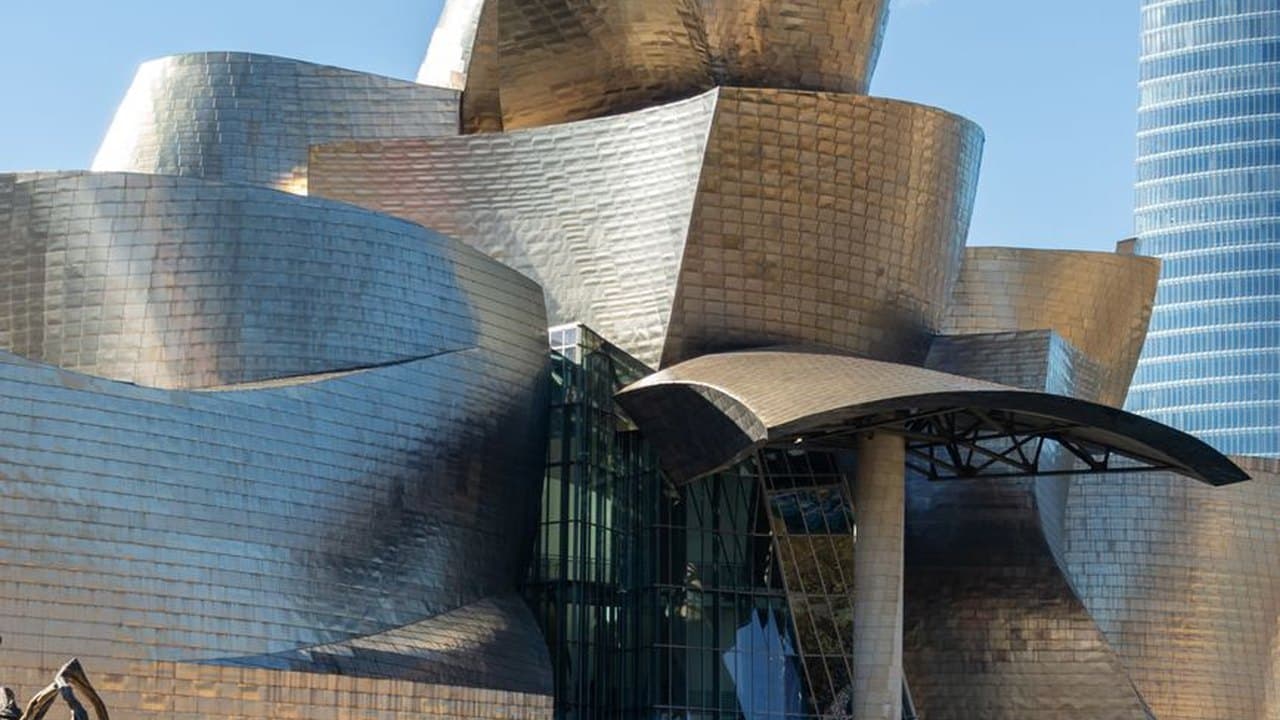
What Famous Architects Did Before They Were Famous
Frank Gehry drove a delivery truck, Zaha Hadid studied mathematics, Norman Foster worked as a town hall clerk and Renzo Piano grew up on building sites. How four careers really started.