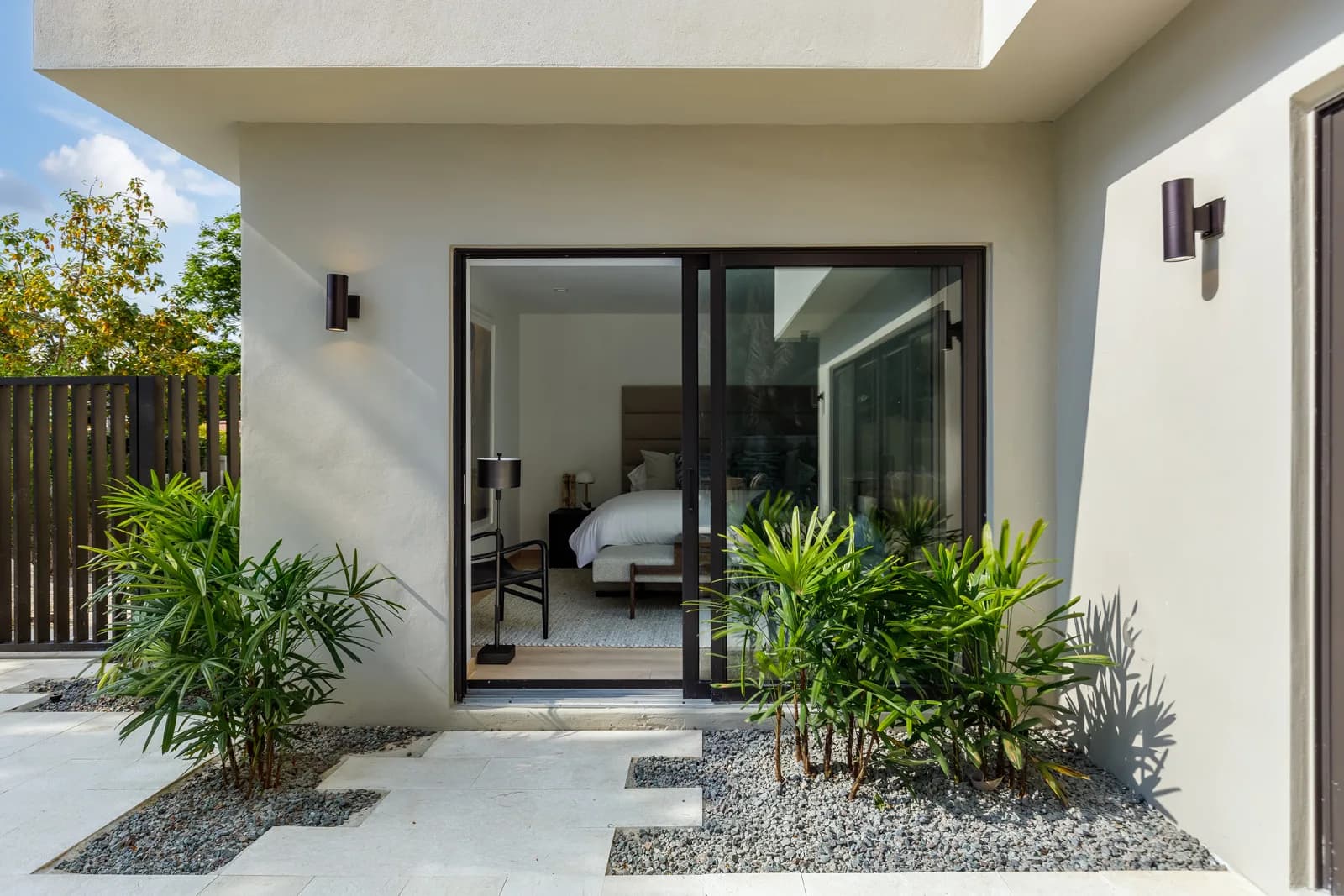
How a Luxom Bedroom Gets Built, Block to Paint
Block, conduit, plaster, then paint: how one of the bedrooms at our Samana Residence in Coconut Grove went from an open block shell to the room in the clip, on the same schedule as the rest of the house.
Luxom Studio · LUXOM Developments
· 7 min read · Last reviewed
Key takeaways
- The clip compresses a bedroom at Samana into four cuts: block, conduit, plaster, paint. The real sequence ran in that order for a reason, and each step locks in what the next one can do.
- Concrete block sets the room's shape and structure first. Nothing else in the sequence, wiring, plaster or paint, can go in until the walls it depends on are up and inspected.
- Electrical and low voltage conduit go inside the block and framing while the walls are still open, because once plaster closes them, a new run means cutting back into a finished wall.
- Plaster is what turns a block wall into a paintable, livable surface. It is also load bearing for the room's acoustics and how light reads across the wall once the paint goes on.
- The finish, the paint, the trim, the light hitting a plastered wall, is the part anyone actually feels in the room. It is also the shortest phase in the sequence and the last one built on everything before it.
From the build
The clip we posted of a bedroom at 70 Samana Dr moves fast: block, conduit, plaster, paint, then the room you actually see. It reads like four cuts. It was four real phases, each one locking in what the next phase was allowed to do. Here is what actually happened between the open block wall and the room in that last frame.
Concrete block walls come first, and nothing after them can happen without them
Concrete block walls come first in a Luxom bedroom, the same way they come first in every room at Samana. Before conduit, before plaster, before anyone is choosing a paint color, the block wall goes up to set the room's structure and its actual shape, the dimensions every later trade has to work inside. On a single storey pavilion like Samana, an interior partition wall still gets built to the same structural standard as the walls carrying the roof, because Miami-Dade's code does not treat a bedroom wall as decorative.
That block phase is also the shortest one to watch and the least visible one in a finished photo. Once it is up and inspected, it disappears behind everything that comes after it, plaster, paint, the bed against it, the art hung on it. Nobody standing in the finished room sees the block. Everyone who lives in the room depends on it being square, level and structurally sound before anything else goes on top of it.
Electrical and low voltage conduit go in while the walls are open
Electrical and low voltage conduit go in while the walls are open, and that timing is not a convenience, it is the only point in the sequence when it is possible at all. With the block up but the wall still exposed, the electrician runs conduit for outlets, switches and overhead lighting, along with any low voltage lines for shades, reading lights or automation the room calls for. Every run gets planned against the room's actual layout, where the bed sits, where a reading chair goes, where a nightstand needs an outlet, not against a generic wiring diagram.
This is also the last moment an inspector can see the rough in before it disappears for good. Once plaster closes the wall, a new outlet or a relocated switch means cutting back into a finished surface and repairing the patch, which never blends in as cleanly as the original plaster coat. Getting the electrical and low voltage plan right before the wall closes is what keeps a bedroom from needing that kind of repair a year after move in.
Plaster turns block into a paintable wall, not just a smooth one
Plaster turns block into a paintable wall, not just a smooth one, once the rough in behind it has passed inspection. A hand applied plaster coat is a different material decision than a sprayed finish or a painted block wall would be, it reads differently under daylight, with a texture that shifts subtly as the light in the room moves through the day rather than sitting flat under it. At Samana, that plaster is part of the same warm, restrained material palette used across the rest of the house, locked in during design rather than picked on site, which is why a bedroom wall and a living room wall read as the same house rather than two different projects.
Plaster also has to cure and level out properly before paint goes anywhere near it, because paint amplifies whatever texture or imperfection is already there instead of hiding it. Rushing this step to hit a schedule is how a wall ends up with visible seams or flashing once the paint goes on. At Samana it ran on the same pace as the rest of the interior finishes, not faster, because the plaster is what the paint depends on to look right.
Pull quote
Block, conduit, plaster, paint. Skip the order and you are not building faster, you are building a wall you will have to open back up.
Paint and trim are the last inch, not the whole job
Paint and trim are the last inch, not the whole job, even though they are the part most people mean when they say a room is "finished." By the time paint goes on, the block has been up for weeks, the conduit has been buried and inspected, and the plaster has cured. Paint's actual job at that point is narrow: protect the plaster, carry the color and finish the room's material story calls for, and read evenly under the room's actual light rather than under a showroom bulb. Trim, baseboards, door casings, window returns, goes in around the same time, and it is where a lot of the visible precision in a finished room actually comes from, tight miters and clean reveals rather than the wall color itself.
None of that is possible on a wall that skipped a step earlier in the sequence. A block wall that was not properly plastered will show through paint. A wall with conduit that was not planned before plaster went on will show a patch. Paint and trim get the credit for how a finished bedroom looks, but they are the smallest phase in the sequence, resting entirely on the three that came before them.
The finish is the part you actually feel
The finish is the part you actually feel, which is exactly why the three phases nobody sees, block, conduit, plaster, matter as much as they do. A homeowner does not run a hand along a concrete block wall or check whether the conduit runs were planned before the plaster went on. They feel the plaster's texture, they see how the paint holds light through the afternoon, they notice whether an outlet is exactly where they need it. Every one of those impressions was decided in a phase that was already covered up by the time the room was ready to photograph.
That is the gap between the four second clip and the actual build. The clip shows the transformation. The transformation was decided by the sequencing: what got planned before it was buried, what got inspected before it was covered, what got allowed to cure before the next trade touched it.
Why the sequence at Samana never skips a step
The reason a Luxom bedroom reads as finished rather than assembled is that the same team plans the sequence before any of it is buried. Block, conduit, plaster, paint is not a checklist applied after the fact, it is decided with the room's layout, lighting and material palette already locked, so nothing gets discovered mid build that forces a wall to be reopened. That is the same coordination that let the full Samana Residence go up, start to finish, room by room, on one schedule instead of a dozen separate contracts finishing at different times.
If you want to see how a different part of the same property came together, the backyard pool at Samana ran on its own build diary, on the same overall schedule as the house. For the general phases a build like this follows before it gets to any single room, see our guide to building a custom luxury home in Miami, start to finish, watch the full block to paint clip on Instagram, or reach out through contact to talk through what a build like this looks like on your own lot.
Once a bedroom like this one is plastered and painted, the wall that gets the most attention in the finished room is usually the long one. For why Luxom puts floor to ceiling glass on that specific wall in every primary bedroom it builds, not just at Samana, see fourteen bedrooms, one rule: glass on the long wall at Luxom.
Pull quote
Block, conduit, plaster, paint. Skip the order and you are not building faster, you are building a wall you will have to open back up.
Filed under
Questions about bedroom interior fit-out Coconut Grove Miami
01What is the actual build sequence behind a bedroom wall in a Luxom home?
The order stays the same room to room even when the design changes. Concrete block goes up first to set the wall's structure and the room's shape. Electrical and low voltage conduit, along with any plumbing that runs through that wall, get roughed in next while the block is still exposed. Plaster goes over the block and the rough in once both pass inspection, turning a structural wall into a smooth, paintable surface. Paint and trim go on last. Each step depends on the one before it being finished and inspected, which is why the order does not change even when the room does.
02Why does conduit go into the wall before the plaster, not after?
Because plaster closes the wall. Once a block wall is plastered, an electrician cannot add a new outlet or a low voltage run without cutting back into a finished surface and repairing it afterward, which never disappears as cleanly as the original finish. Running every conduit line, outlets, switches, lighting, low voltage for shades or automation, while the block is still open lets the plaster crew treat the whole wall as one continuous surface instead of a patchwork of repairs. It is also the point where an inspector checks the rough in before it disappears behind plaster for good.
03What does the plaster stage actually change about how a bedroom feels?
Plaster is the step that turns a structural block wall into the surface a room is actually built around. A hand applied plaster coat reads differently under light than a sprayed or painted block wall would, softer, with a texture that changes subtly as the light in the room changes through the day. It also has to be flat and cured properly before paint goes on, because paint shows every imperfection in what is underneath it rather than hiding one. At Samana, the same warm, quiet material palette used across the rest of the house, chosen during design rather than decided on site, carries into the plaster and paint in every bedroom.
04Does Florida's building code apply to interior bedroom walls, or only the exterior of the house?
It applies to both. Florida's Building Code sets structural, wind load and impact standards for homes in high velocity hurricane zones like Miami-Dade County, and those standards govern how a home's block walls get built and inspected, interior partitions included, not only the street facing shell. That is one reason the block and rough in phases inside a single bedroom still go through the same inspection points as the rest of the structural build, even though none of that review is visible in a finished room.
05Can you actually watch the Samana bedroom get built, not just read about it?
Yes. The block to paint sequence for this bedroom is posted as a timelapse on Instagram, and this article walks the phases the clip compresses into seconds. For the full empty lot to finished home sequence this bedroom is part of, see how the Samana Residence went up, start to finish, or reach out through contact to talk through what a build like this looks like on your own lot.
Explore the portfolio
Projects to see


Talk to the studio
If this belongs in your home, our studio will draw the plan.
Initial conversation, 30 minutes. We listen to the brief and respond with a scoped proposal within five working days. You can also read the services page for typical timelines and fees.
Written by Luxom Studio · LUXOM Developments
The design and development studio behind LUXOM residences in Coconut Grove, Miami
Keep reading
From the journal
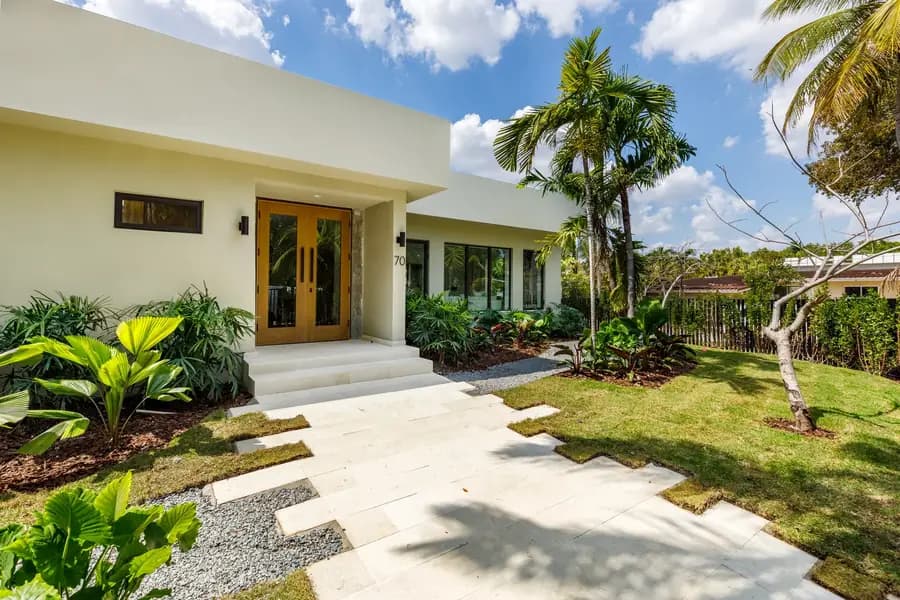
Development · Aug 1, 2026 · 6 min
Building the Samana Residence, Start to Finish
From an empty Coconut Grove lot to a finished 3,227 square foot home: how the Samana Residence went up, phase by phase, built and finished start to finish by the same family behind every Luxom home.
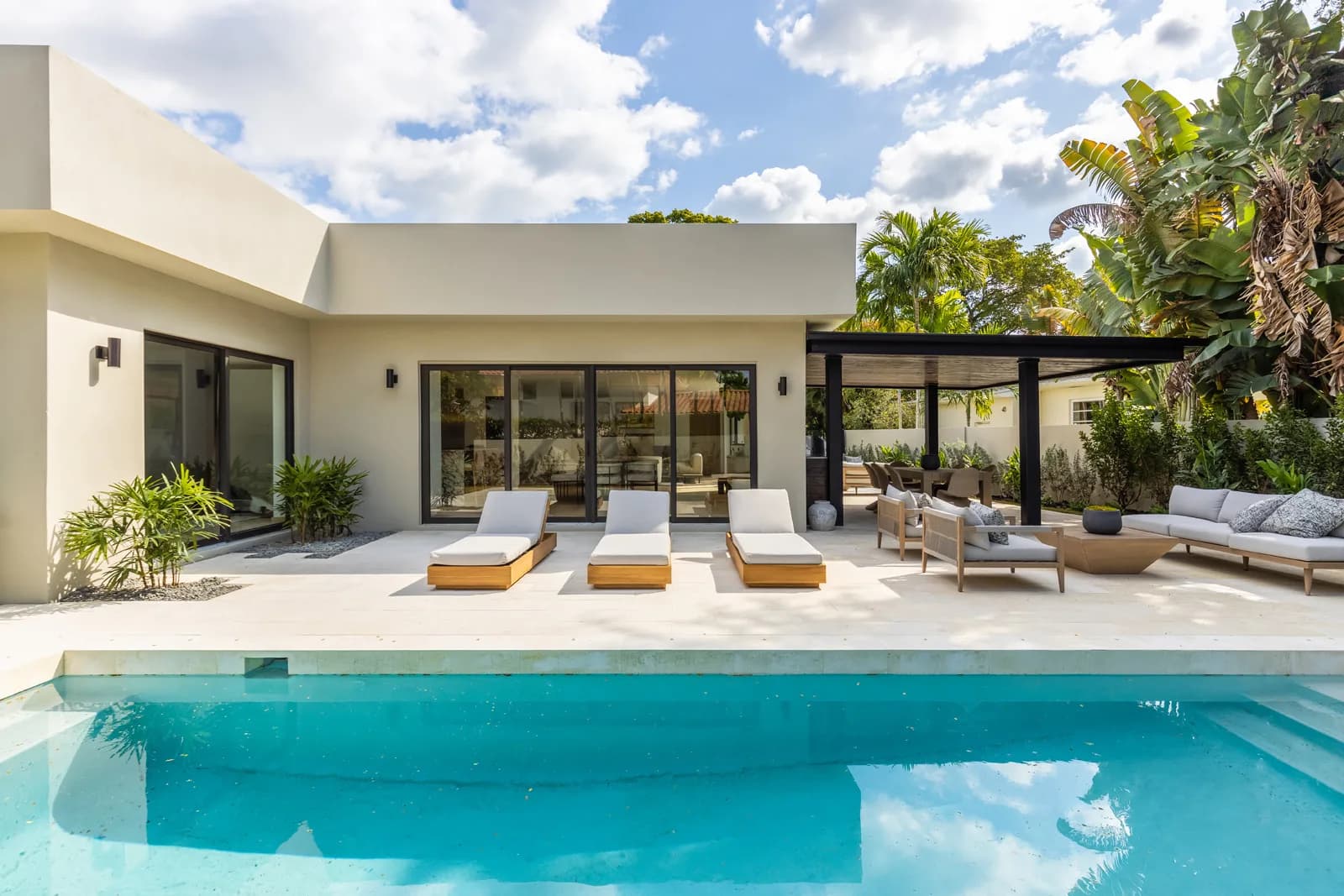
Development · Aug 1, 2026 · 6 min
Building the Backyard Pool at Samana, Start to Finish
From excavation to a brim full turquoise pool: how the backyard at our Samana Residence in Coconut Grove came together, phase by phase, on the same schedule as the rest of the build.
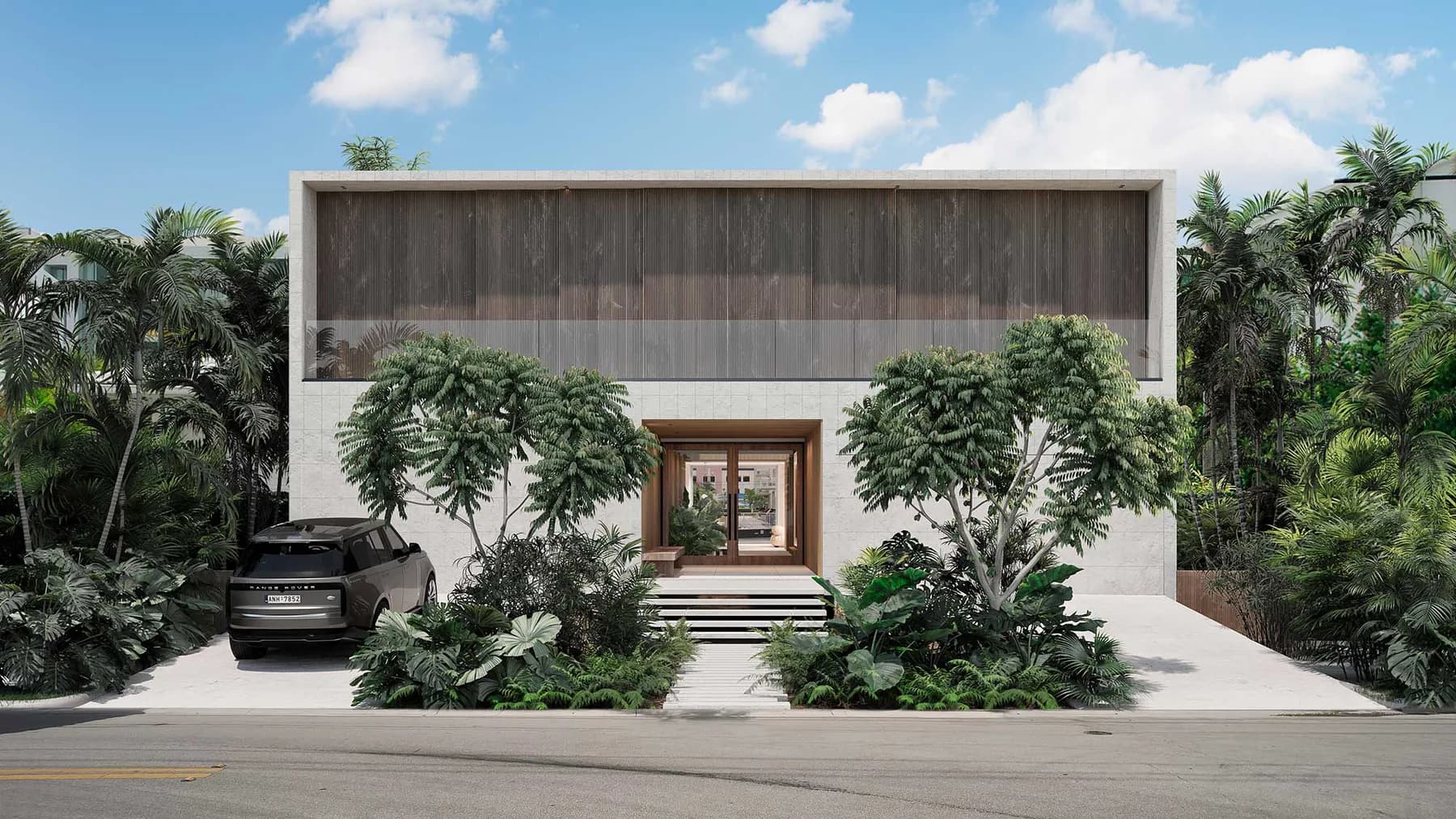
Development · Jul 23, 2026 · 5 min
Building a custom luxury home in Miami, start to finish
What it takes to build a custom luxury home in Miami, from land and design through permitting and finish. The real sequence, the local constraints, and where a builder earns their keep.